

Workplace health & safety risks remain a growing concern for employers across Kenya. One emerging biological threat that employers must understand is the Nipah Virus. Workplace health & safety risks like this virus affect employee wellbeing, operational stability and legal compliance. Therefore, employers need clear knowledge and practical strategies to reduce exposure. This article explains what Kenyan employers should know and how to prepare effectively. For expert workplace safety support, visit www.eaglesconsultants.com.
Understanding Nipah Virus in the Workplace.
Nipah Virus is a serious disease that spreads from animals to humans and between people. Transmission often occurs through contaminated food, infected animals, or close contact with an infected person. In workplace environments, shared spaces and frequent interaction can increase exposure. Symptoms may start mildly but can worsen quickly if ignored. As a result, employers must treat Nipah Virus as a significant workplace health & safety risk. Awareness helps organizations respond faster and reduce harm.
Workplace Health & Safety Risks: Why Nipah Virus Matters to Kenyan Employers.
Workplace health & safety risks extend beyond physical injuries and machinery hazards. Biological threats can disrupt entire organizations within a short time. When employees fall ill, productivity drops and operations slow down. Additionally, fear and misinformation may spread among staff. Employers who understand these risks can take early action and maintain workplace confidence. Prepared organizations recover faster and protect their reputation more effectively.
Industries Facing Higher Workplace Risk.
Certain work environments face greater workplace health & safety risks related to Nipah Virus. Healthcare settings involve close human contact and increased exposure. Agricultural and food-related businesses may interact with animals or raw products. Hospitality and transport sectors manage constant movement and public interaction. Because of these factors, tailored safety measures are essential. Employers must assess their specific risk levels carefully.
Legal Duties and Employer Responsibility in Kenya.
Kenyan occupational safety laws require employers to provide safe working conditions. This responsibility includes protecting workers from biological workplace health & safety risks. Employers must carry out risk assessments and implement control measures. Training employees on emerging health threats is also necessary. Failure to meet these obligations can lead to legal penalties. Professional guidance helps employers meet these requirements confidently.
Effective Prevention and Control Measures.
Preventing workplace risks starts with simple but consistent actions. Employers should promote proper hygiene and regular cleaning practices. Clear illness reporting procedures encourage early detection. Employees should feel supported when staying home while unwell. These measures reduce transmission and build trust. Over time, prevention creates healthier and more resilient workplaces.
The Importance of Workplace Health & Safety Risks Training.
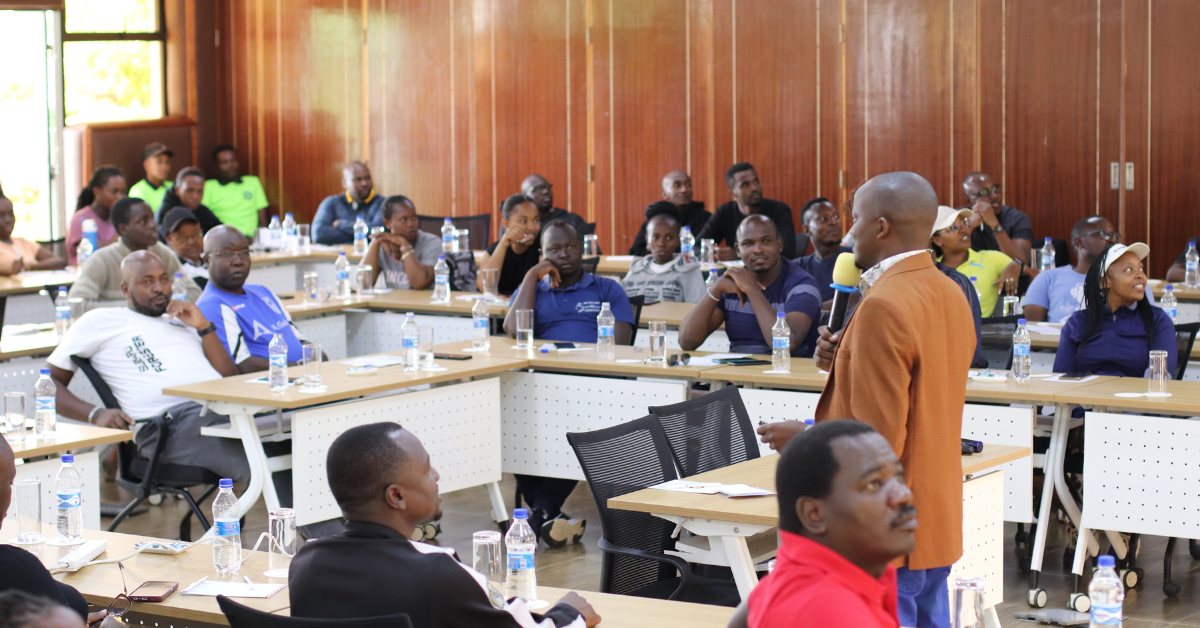
Training plays a vital role in reducing workplace risks. Educated employees understand how viruses spread and how to protect themselves. Training also reduces panic during health alerts. Regular sessions reinforce correct behaviors and safety expectations. Well-informed teams respond responsibly and support each other. Professional training ensures accurate and up-to-date information.
Emergency Preparedness and Business Continuity.
Preparedness limits the impact of workplace health & safety risks during outbreaks. Employers should establish clear response plans and communication channels. These plans help guide employees during uncertain situations. Flexible work arrangements may also support continuity when needed. Regular reviews keep plans relevant and effective. Preparation strengthens organizational stability.
How Occupational Health Consultants Add Value.
Occupational health consultants help organizations manage workplace health & safety risks effectively. They identify gaps, develop policies and deliver training programs. Consultants also support compliance with Kenyan safety regulations. Their expertise saves time and reduces costly mistakes. Employers benefit from structured and professional safety systems. Learn more at www.eaglesconsultants.com.
Finally, it requires ongoing attention from Kenyan employers. Nipah Virus highlights the importance of preparedness and awareness. Employers who act early protect their people and their businesses. Simple preventive steps can make a meaningful difference. Professional support strengthens long-term safety outcomes. Take the next step toward a safer workplace with www.eaglesconsultants.com.