

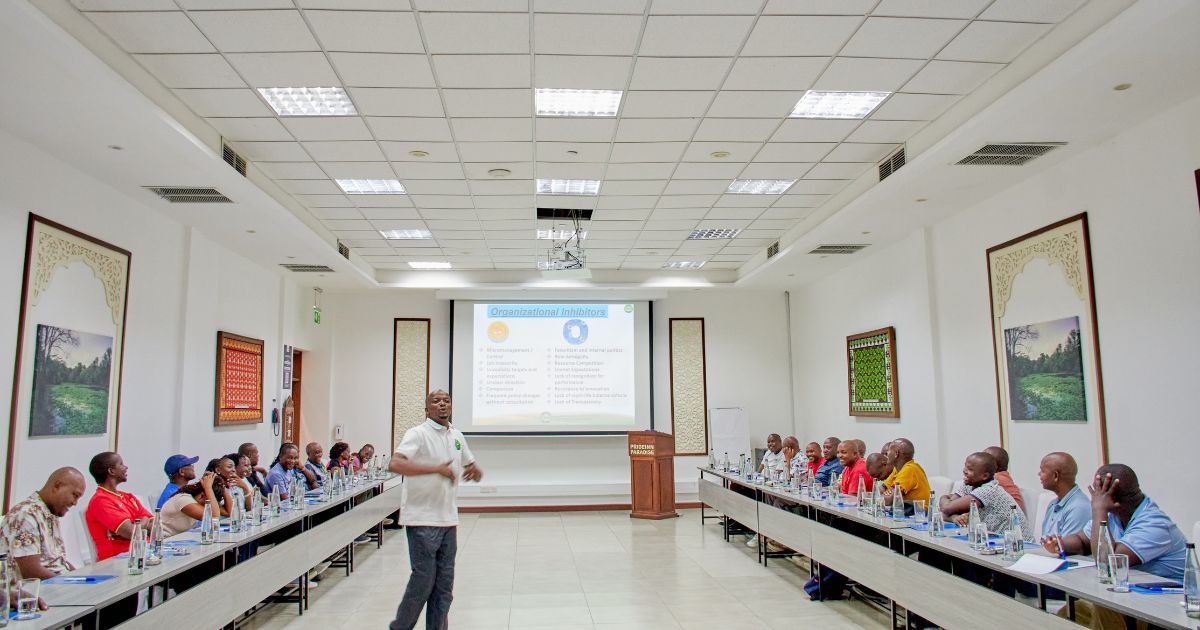
HR Training Programs in Kenya help professionals improve workplace management, employee engagement and leadership skills. Today, businesses need HR professionals who can manage recruitment, staff development, compliance and employee performance effectively. Therefore, proper HR training has become important for career growth and business success.
Many companies now invest in human resource management courses in Kenya, HR certification courses and corporate HR training to improve workplace productivity. Moreover, trained HR professionals help organizations build strong and professional work environments.
For professional HR consultancy and training services, visit www.eaglesconsultants.com.
Why HR Training Programs in Kenya Are Important.
Modern workplaces continue changing every year. As a result, HR professionals must learn new skills and workplace strategies. Proper HR training improves communication, leadership and employee management.
Companies investing in HR training courses in Kenya often experience:
- Better employee retention.
- Improved workplace communication.
- Higher employee productivity.
- Strong leadership development.
- Better labor law compliance.
Additionally, HR training helps organizations reduce workplace conflicts and improve teamwork.
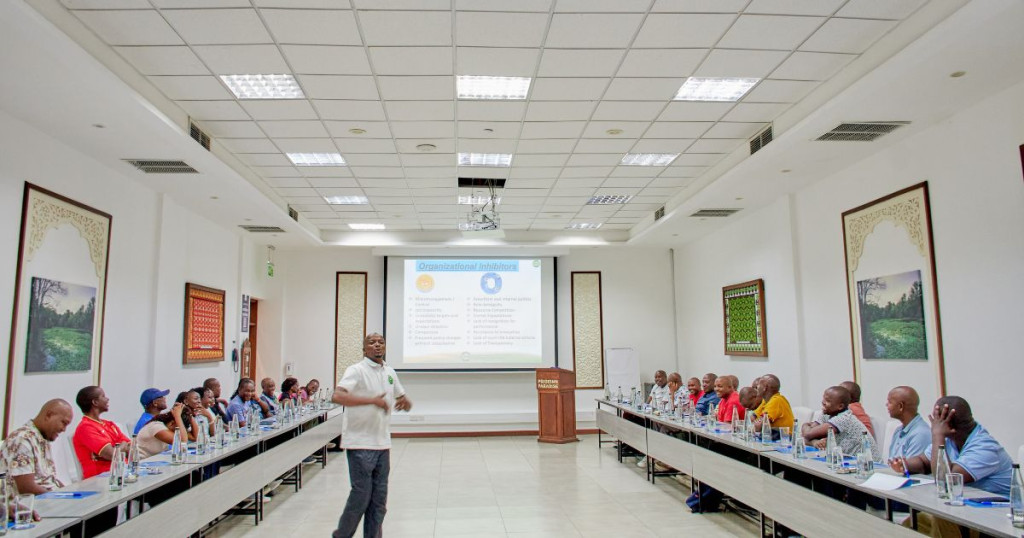
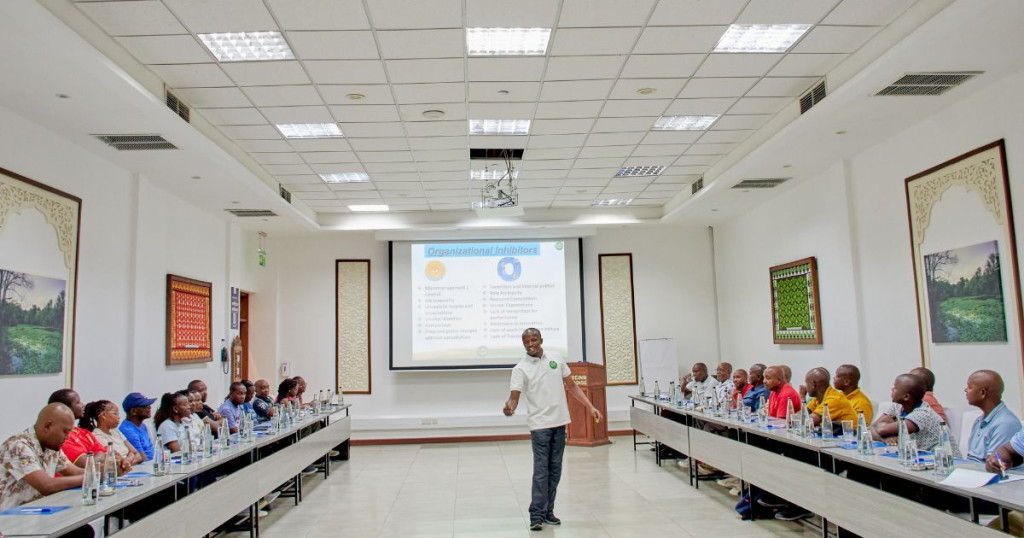
Top Skills Every HR Professional Needs.
1. Recruitment and Talent Acquisition Skills.
Recruitment is one of the most important HR responsibilities. HR professionals must know how to attract, interview and retain qualified employees. Therefore, recruitment training improves hiring quality and workforce performance.
Many companies searching for recruitment training in Kenya prefer HR professionals with strong interviewing and onboarding skills.
2. Employee Relations Management.
Good employee relationships improve workplace morale and productivity. HR professionals must know how to handle workplace disputes and employee concerns professionally.
Employee relations training helps HR teams:
- Improve staff communication.
- Resolve workplace conflicts.
- Increase employee satisfaction.
- Build positive work environments.
As a result, businesses improve employee retention and teamwork.
3. Labor Laws and HR Compliance.
Every HR professional must understand Kenyan labor laws and workplace regulations. Compliance training helps businesses avoid legal problems and maintain professional standards.
Many organizations now focus on:
- Employment law training.
- Workplace policy management.
- Employee contract management.
- Occupational safety compliance.
Moreover, compliance knowledge protects both employers and employees.
4. Performance Management Skills.
Performance management helps businesses measure employee productivity and growth. HR professionals must understand how to conduct appraisals, set goals, and provide professional feedback.
Companies investing in performance management training in Kenya often improve employee accountability and motivation.
5. Leadership and Communication Skills.
Strong leadership skills help HR professionals manage workplace challenges effectively. Communication skills also improve collaboration between management and employees.
Important leadership skills include:
- Team management.
- Decision-making.
- Problem-solving.
- Conflict resolution.
- Public speaking.
Additionally, effective communication creates better workplace relationships.
6. Training and Employee Development Skills.
Employee training improves workplace productivity and career development. HR professionals must know how to organize workshops, coaching sessions and staff development programs.
Businesses searching for corporate training services in Kenya often prefer HR professionals with employee development experience.
7. HR Technology and Digital Skills.
Modern companies now use digital HR systems for recruitment, payroll and employee management. Therefore, HR professionals must understand HR technology and workplace software.
Important HR digital skills include:
- HR management systems.
- Payroll software.
- Employee database management.
- Online recruitment systems.
- Virtual training platforms.
Consequently, digital skills improve efficiency and reduce administrative errors.
Benefits of HR Training Programs in Kenya.
Professional HR training offers many advantages for businesses and employees. Companies with trained HR teams often experience better workplace performance and employee satisfaction.
Key benefits include:
- Better employee engagement.
- Improved leadership skills.
- Strong workplace culture.
- Reduced staff turnover.
- Improved workplace compliance.
- Better organizational productivity.
Furthermore, HR professionals gain confidence and career advancement opportunities.
How to Choose the Best HR Training Program.
Choosing the right HR course improves professional growth and workplace performance. However, professionals should compare different programs before enrolling.
Consider the following factors:
- Course content.
- Trainer qualifications.
- Certification options.
- Practical training sessions.
- Industry reputation.
- Flexible learning schedules.
Additionally, businesses should select programs that match current HR industry trends.
Why Companies Invest in HR Training.
Employees are valuable business assets. Therefore, companies invest in HR training to improve workforce management and business growth.
Organizations investing in HR consultancy services in Kenya often achieve:
- Better workplace productivity.
- Strong leadership teams.
- Improved employee satisfaction.
- Better staff retention.
- Effective workplace management.
As a result, businesses remain competitive in growing industries.
Professional HR Training Services in Kenya.
Professional consultancy firms provide specialized HR courses for businesses and individuals. These programs focus on practical workplace skills and leadership development.
www.eaglesconsultants.com offers professional services in:
- Human resource management.
- Leadership development.
- Employee engagement.
- Workplace compliance.
- Performance management.
- Corporate training solutions.
Additionally, the programs help businesses improve productivity and employee performance.
Conclusion: HR Training Programs in Kenya.
HR Training Programs in Kenya help professionals develop important workplace skills for modern business environments. Training in recruitment, leadership, compliance and employee management improves organizational performance and employee satisfaction.
Companies investing in HR development create productive workplaces and strong leadership teams. Moreover, trained HR professionals contribute directly to business success and employee growth.
Visit www.eaglesconsultants.com for professional HR consultancy and corporate training services today.
FAQs about HR Training Programs in Kenya.
1. What are the best HR Training Programs in Kenya?
The best HR training programs focus on recruitment, leadership, labor laws, employee relations and performance management.
2. Why are HR training programs important?
HR training improves employee management, workplace productivity, communication and leadership skills.
3. Which skills should every HR professional have?
HR professionals need recruitment, communication, leadership, conflict resolution and compliance management skills.
4. Are HR certification courses important in Kenya?
Yes. HR certification improves career opportunities, workplace credibility and professional development.
5. Where can I get professional HR training services in Kenya?
You can get professional HR consultancy and training services at www.eaglesconsultants.com.