

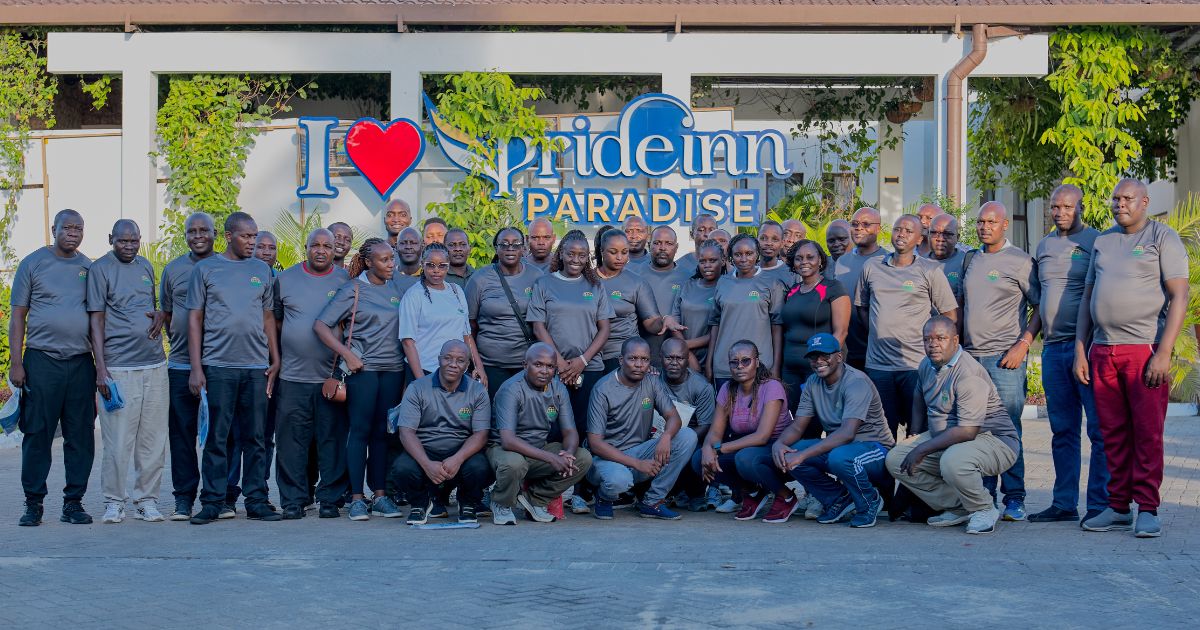
Team Building Games in Kenya are becoming an essential part of employee development and organizational success. Modern organizations understand that strong teams deliver better results, solve problems faster and create a positive work culture. Therefore, companies across Kenya continue to invest in professional team-building programs that strengthen workplace relationships and improve performance.
Effective team-building activities help employees connect, communicate and collaborate more efficiently. As a result, organizations experience increased productivity, better morale and improved employee engagement. For professional team-building solutions and workplace development programs, visit www.eaglesconsultants.com.
Why Team Building Games Are Important for Organizations.
Every successful organization depends on teamwork. However, strong teams do not develop automatically. Employees need opportunities to interact, build trust and understand each other’s strengths.
Team-building games help organizations achieve several objectives, including:
- Improved workplace communication.
- Enhanced teamwork and collaboration.
- Stronger employee relationships.
- Increased employee engagement.
- Better conflict resolution skills.
- Improved problem-solving abilities.
- Higher workplace productivity.
Moreover, these activities create a positive environment where employees feel valued and motivated to contribute to organizational goals.
Best Team Building Games in Kenya for Workplaces.
1. Treasure Hunt Challenges.
Treasure hunts encourage employees to work together while solving clues and completing tasks. Teams must communicate effectively and use strategic thinking to succeed.
Additionally, this activity promotes creativity, leadership and collaboration. Employees learn how to leverage each team member’s strengths while working toward a common goal.
2. Human Knot Activity.
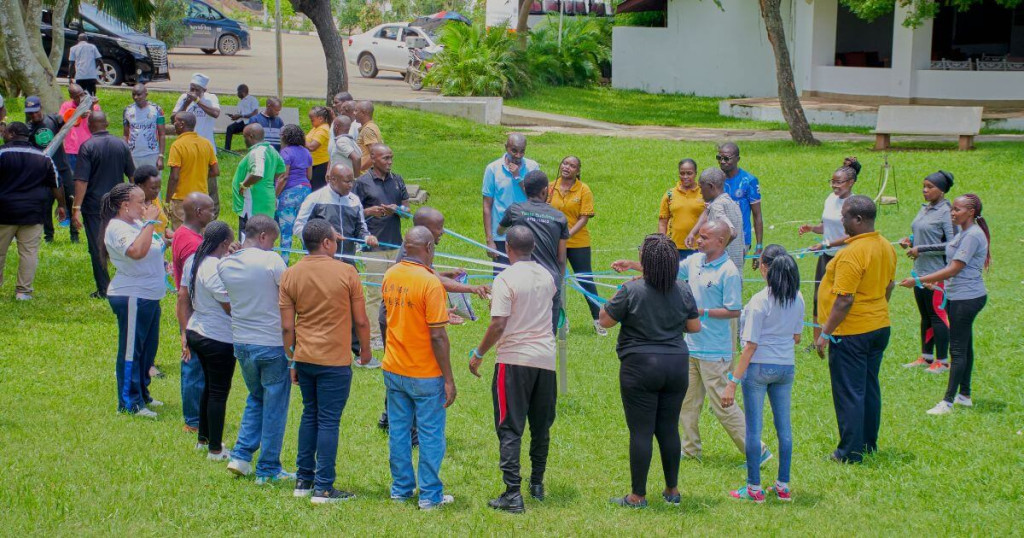
The Human Knot is a simple yet highly effective team-building exercise. Participants form a circle, hold hands with different team members and work together to untangle themselves.
As a result, employees improve communication, patience and teamwork. Furthermore, the activity highlights the importance of cooperation when solving workplace challenges.
3. Relay Team Challenges.
Relay games require teams to complete tasks within a specific timeframe. Employees must coordinate their efforts and support one another throughout the activity.
Consequently, participants develop stronger collaboration skills while enjoying healthy competition. These challenges also help improve workplace energy and motivation.
4. Problem-Solving Exercises.
Problem-solving activities encourage employees to analyze situations and develop practical solutions. Teams work together to overcome obstacles while improving critical thinking skills.
In addition, these exercises help employees learn how to make decisions under pressure and manage workplace challenges effectively.
5. Blindfold Trust Walk.
Trust is a critical component of every successful team. In this activity, one participant is blindfolded while teammates provide guidance through a designated course.
Therefore, employees learn the value of clear communication, trust and accountability. These skills directly translate into better workplace relationships.
6. Tug of War.
Tug of War remains one of the most popular team-building games in Kenya. Although simple, it demonstrates the importance of collective effort and teamwork.
Employees quickly realize that success depends on everyone working together. As a result, the activity reinforces the value of collaboration in achieving organizational goals.
7. Team Sports Competitions.
Sports tournaments such as football, volleyball and basketball encourage teamwork while promoting employee wellness.
Moreover, sports activities help employees develop stronger relationships outside their normal work environment. This often leads to improved cooperation back in the workplace.
How Team Building Improves Organizational Performance.
Organizations that invest in team-building programs often experience measurable improvements. Employees become more engaged and motivated to perform at their best.
Some key outcomes include:
- Better communication across departments.
- Increased employee morale.
- Stronger leadership development.
- Enhanced workplace culture.
- Improved employee retention.
- Higher levels of productivity.
- Greater organizational effectiveness.
Consequently, team-building activities become a valuable investment rather than a workplace expense.
Choosing the Right Team Building Activities.
Not every activity is suitable for every organization. Therefore, it is important to select programs that align with company objectives and employee needs.
When planning a team-building event, consider:
- Team size.
- Organizational goals.
- Employee interests.
- Available resources.
- Desired learning outcomes.
- Workplace challenges to address.
A well-designed program delivers meaningful results while ensuring participants remain engaged throughout the experience.
Indoor and Outdoor Team Building Activities.
1. Indoor Team Building Games.
Indoor activities are ideal for workshops, conferences and office-based programs. They are easy to organize and can be customized to specific organizational goals.
Benefits include:
- Convenient planning.
- Flexible scheduling.
- Lower logistical requirements.
- Focused learning environment.
2. Outdoor Team Building Games.
Outdoor activities provide a more dynamic environment for learning and interaction. Employees enjoy greater freedom to participate in physical and collaborative challenges.
Benefits include:
- Increased energy and enthusiasm.
- Enhanced creativity.
- Stronger team bonding.
- Improved employee engagement.
Both options can deliver excellent results when facilitated professionally.
Best Practices for Successful Team Building Programs.
To maximize the impact of team-building activities, organizations should follow a structured approach.
Consider these best practices:
- Establish clear objectives.
- Choose relevant activities.
- Encourage active participation.
- Create an inclusive environment.
- Use experienced facilitators.
- Evaluate outcomes after the event.
These steps help ensure that team-building programs deliver lasting value to both employees and organizations.
Why Organizations in Kenya Continue to Invest in Team Building.
As workplaces evolve, organizations must adapt to changing employee needs and expectations. Team-building activities provide an effective way to strengthen workplace culture while improving performance.
Companies that invest in team-building often benefit from stronger teamwork, improved communication and higher employee satisfaction. Furthermore, these programs support leadership development and organizational growth.
Professional team-building solutions also help organizations address workplace challenges while creating a culture of collaboration and continuous improvement.
Conclusion: Team Building Games in Kenya.
Team Building Games in Kenya play a critical role in developing strong, productive and engaged workplace teams. Whether organizations choose problem-solving exercises, trust-building activities, relay challenges or sports competitions, the benefits extend far beyond the event itself.
By investing in professional team-building programs, organizations can improve communication, strengthen teamwork and enhance overall performance. For expert team-building, organizational development and workplace training solutions, visit www.eaglesconsultants.com.
Frequently Asked Questions (FAQs).
1. What are the most effective team building games in Kenya?
Popular activities include treasure hunts, relay races, trust walks, problem-solving exercises, Human Knot challenges and sports competitions.
2. How do team-building activities improve workplace performance?
They improve communication, collaboration, trust, leadership skills and employee engagement, leading to higher productivity.
3. How often should organizations conduct team-building programs?
Many organizations benefit from quarterly or biannual team-building activities, depending on their objectives and workforce needs.
4. Are indoor team-building activities effective?
Yes. Indoor activities effectively improve teamwork, communication and problem-solving while requiring fewer logistical arrangements.
5. Why should organizations invest in professional team-building services?
Professional facilitators ensure activities align with organizational goals and deliver measurable outcomes that support long-term workplace success.