

Why do some organizations consistently outperform their competitors while others struggle with low morale, poor communication, and declining productivity? The difference often comes down to employee engagement activities. Employees who feel connected to their work, colleagues, and organizational goals are more motivated to perform at a high level. They communicate effectively, collaborate better and contribute innovative ideas that help businesses grow.
This is why Employee Engagement Activities have become a strategic priority for organizations across Kenya. Businesses are increasingly investing in staff engagement activities, leadership development training, team bonding activities and corporate team building programs to create stronger and more productive teams. Through professional workplace development solutions offered by www.eaglesconsultants.com, organizations can build an engaged workforce that drives sustainable business success.
What Are Employee Engagement Activities?
Employee Engagement Activities are structured initiatives designed to improve employee motivation, participation, commitment and satisfaction within the workplace. These activities help employees develop stronger relationships with colleagues while creating a deeper connection to organizational goals.
Employee engagement goes beyond job satisfaction. An employee may enjoy their role but still feel disconnected from the organization’s mission. Engaged employees, however, take ownership of their responsibilities, actively contribute ideas and consistently seek ways to improve organizational performance.
Examples of employee engagement activities include:
- Corporate team building events.
- Leadership development training.
- Employee recognition programs.
- Staff retreats.
- Corporate wellness programs.
- Team bonding activities.
- Communication workshops.
- Problem-solving challenges.
- Skills development training.
- Corporate social responsibility activities.
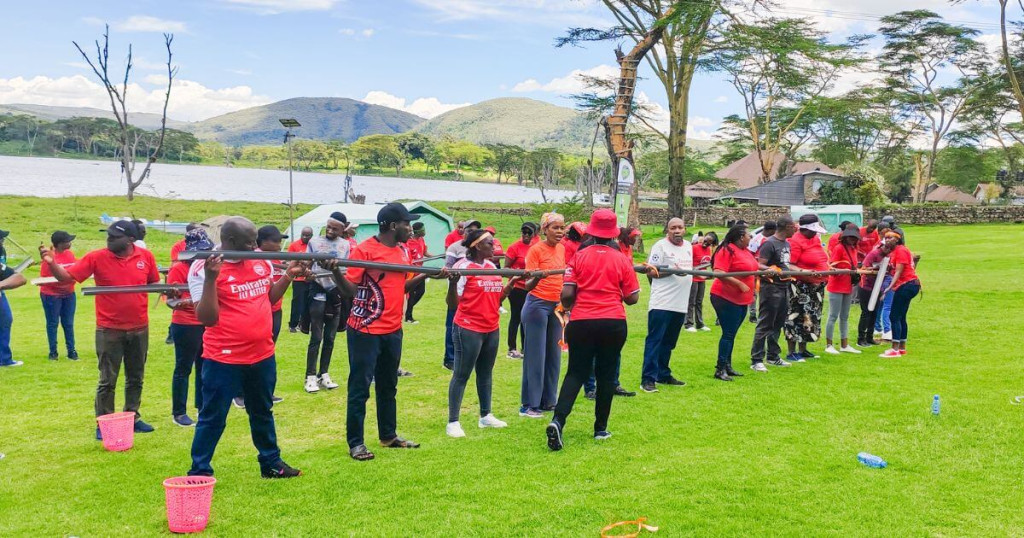
Organizations that consistently invest in employee engagement initiatives often experience improved teamwork, stronger workplace relationships and higher workplace productivity.

Why Employee Engagement Matters.
Employee engagement is one of the strongest predictors of organizational performance. Companies with engaged employees often experience higher productivity, better customer service and stronger financial performance.
Today’s workforce expects more than competitive compensation. Employees want opportunities for growth, supportive leadership, meaningful work and a positive workplace culture. When these expectations are not met, organizations often face challenges such as high employee turnover, poor communication, low morale and reduced performance.
Benefits of employee engagement include:
- Higher workplace productivity.
- Better teamwork and collaboration.
- Increased employee motivation.
- Improved customer service.
- Stronger workplace culture.
- Reduced employee turnover.
- Greater innovation and creativity.
- Higher employee satisfaction.
These benefits create a strong foundation for sustainable growth and long-term business success.
How Team Building Improves Workplace Performance.
Team building remains one of the most effective employee engagement strategies because it strengthens the skills and relationships that contribute directly to organizational success.
1. Improves Communication Skills.
Communication is essential in every organization. However, communication breakdowns often lead to misunderstandings, delays and workplace conflicts that affect performance. Team building activities encourage employees to communicate openly, listen actively and collaborate effectively.
Through interactive exercises, employees learn how to share ideas clearly, provide constructive feedback and work together toward common objectives. As communication improves, organizations benefit from stronger collaboration, improved efficiency and better decision-making.
2. Strengthens Workplace Relationships.
Strong workplace relationships are built on trust, respect and mutual understanding. Employees who trust one another are more likely to collaborate effectively and support each other during challenging situations.
Team bonding activities provide opportunities for employees to interact outside their daily work responsibilities. These shared experiences help break down barriers between departments while creating stronger personal and professional relationships. As workplace relationships improve, teams become more cohesive, productive and resilient.
3. Enhances Problem-Solving Skills.
Every organization faces challenges that require teamwork and creative thinking. Team building exercises encourage employees to analyze situations, identify solutions and make decisions collaboratively.
These activities help employees develop critical thinking skills while learning how to leverage the strengths of different team members. Consequently, teams become more confident and effective when handling workplace challenges. Organizations that invest in problem-solving development often experience improved innovation and operational efficiency.
4. Boosts Employee Motivation.
Motivation plays a crucial role in employee performance. Employees who feel valued and appreciated are more likely to remain engaged and committed to organizational goals.
Effective employee motivation strategies often combine recognition, development opportunities, and meaningful workplace experiences. Team building programs help reinforce these factors by creating positive interactions and strengthening employees’ sense of belonging.
When employees feel connected to their teams and organization, motivation naturally increases, leading to higher levels of productivity and performance.
5. Supports Leadership Development.
Strong leadership is essential for long-term organizational success. Team building activities provide opportunities for employees to demonstrate initiative, influence others and develop leadership capabilities.
Leadership development training helps employees strengthen critical skills such as communication, decision-making, conflict resolution and strategic thinking. These competencies are essential for managing teams and driving organizational growth. Organizations that invest in leadership development create a strong pipeline of future leaders capable of sustaining business success.
Top Employee Engagement Activities for Kenyan Organizations.
1. Corporate Team Building Programs.
Corporate team building Kenya programs remain one of the most popular methods for improving employee engagement and workplace performance. These programs help employees strengthen communication, collaboration and trust while creating a positive and productive work environment.
Popular activities include:
- Team challenges.
- Problem-solving exercises.
- Communication workshops.
- Leadership simulations.
- Team competitions.
- Collaboration activities.
- Trust-building exercises.
When professionally facilitated, team building programs can significantly improve team effectiveness and organizational performance.
2. Corporate Retreats.
Corporate retreats provide employees with dedicated time to focus on strategic planning, professional development and relationship building. Many organizations use corporate retreats Kenya programs to strengthen teamwork while aligning employees with organizational objectives.
Retreats often include:
- Strategic planning sessions.
- Leadership workshops.
- Team bonding exercises.
- Communication training.
- Employee recognition events.
These experiences help employees return to work with renewed motivation and stronger workplace connections.
3. Employee Recognition Programs.
Recognition is one of the most effective staff engagement activities because it reinforces positive behavior and motivates employees to maintain high performance. Employees who feel appreciated are more likely to remain committed to their organizations and contribute positively to workplace culture.
Effective recognition initiatives include:
- Employee of the Month awards.
- Performance bonuses.
- Appreciation ceremonies.
- Peer recognition programs.
- Achievement awards.
Recognition strengthens employee loyalty while supporting employee retention strategies.
4. Corporate Wellness Programs.
Employee wellbeing has a direct impact on workplace productivity and overall organizational performance. Employees who experience excessive stress, burnout or health challenges often struggle to maintain focus and motivation. Corporate wellness programs help employees maintain physical and mental wellbeing while supporting a healthier work-life balance.
Popular wellness initiatives include:
- Fitness challenges.
- Mental health programs.
- Stress management workshops.
- Health screenings.
- Wellness retreats.
Organizations that prioritize wellness often experience lower absenteeism, stronger engagement and improved performance.
5. Corporate Social Responsibility Activities.
Employees increasingly want to work for organizations that contribute positively to society. Corporate social responsibility initiatives provide opportunities for employees to participate in meaningful causes while strengthening workplace relationships.
Examples include:
- Tree planting events.
- Charity drives.
- School support programs.
- Environmental conservation projects.
- Community development initiatives.
These activities create a stronger sense of purpose while enhancing employee engagement and organizational reputation.
The Link Between Employee Engagement and Workplace Productivity.
Employee engagement and workplace productivity are closely connected. Engaged employees are more committed to achieving organizational goals and delivering quality results.
Organizations with highly engaged employees often experience:
- Better performance.
- Stronger customer satisfaction.
- Higher accountability.
- Increased innovation.
- Lower absenteeism.
- Improved retention.
Because of these benefits, employee engagement should be viewed as a strategic investment rather than simply an HR initiative.
Employee Retention and Team Building.
Employee turnover can significantly impact organizational performance and profitability. Recruiting and training new employees requires considerable time and financial resources.
Effective employee retention strategies focus on creating positive workplace experiences that encourage employees to stay. Team building activities help strengthen workplace relationships while creating a sense of belonging and commitment.
Benefits of improved retention include:
- Reduced recruitment costs.
- Higher productivity.
- Better knowledge retention.
- Stronger customer relationships.
- Greater workforce stability.
Organizations that prioritize engagement often experience stronger employee loyalty and long-term retention.
Creating a Positive Workplace Culture.
A positive workplace culture influences how employees communicate, collaborate, and perform. It creates an environment where employees feel respected, supported and motivated to succeed.
Employee engagement activities help organizations build cultures based on:
- Trust.
- Respect.
- Collaboration.
- Accountability.
- Continuous improvement.
These values support employee wellbeing while driving stronger organizational performance.
Why Choose www.eaglesconsultants.com?
Selecting the right employee engagement partner is critical to achieving measurable results. www.eaglesconsultants.com specializes in helping organizations improve employee engagement, workplace productivity, leadership effectiveness and organizational performance through customized training and development solutions.
Organizations choose www.eaglesconsultants.com because of:
- Customized employee engagement programs.
- Professional team building facilitation.
- Leadership development expertise.
- Experienced corporate trainers.
- Innovative staff engagement activities.
- Tailored workplace solutions.
- Nationwide service delivery.
- Results-driven training programs.
Whether your organization wants to improve teamwork, strengthen workplace culture, enhance leadership capabilities or increase employee motivation, www.eaglesconsultants.com provides practical solutions that create lasting impact.
Conclusion: Employee Engagement Activities in Kenya.
Employee Engagement Activities are essential for building motivated, productive and high-performing teams. Through strategic team building, leadership development and staff engagement activities, organizations can strengthen workplace relationships, improve communication and increase workplace productivity.
Businesses that invest in employee engagement create stronger cultures and achieve better results. For organizations seeking professional employee engagement solutions, www.eaglesconsultants.com provides customized programs designed to help teams and leaders reach their full potential.
Frequently Asked Questions (FAQs).
1. What are Employee Engagement Activities?
Employee Engagement Activities are programs designed to improve employee motivation, commitment, participation and workplace satisfaction.
2. Why are Employee Engagement Activities important?
They improve workplace productivity, employee motivation, teamwork and overall organizational performance.
3. How does team building improve workplace performance?
Team building strengthens communication, collaboration, trust, leadership and problem-solving skills.
4. What are the benefits of corporate team building Kenya programs?
They improve teamwork, employee engagement, communication and workplace relationships.
5. What are the best staff engagement activities for organizations?
Team building events, leadership development training, employee recognition programs, wellness initiatives and corporate retreats are highly effective.
6. Can employee engagement reduce employee turnover?
Yes. Effective employee engagement and employee retention strategies help improve loyalty and reduce staff turnover.
7. Why is leadership development training important?
Leadership development training helps managers and future leaders strengthen communication, decision-making and team management skills.
8. How do corporate retreats Kenya programs improve employee engagement?
They provide opportunities for strategic alignment, relationship building, team bonding activities and professional development.
9. How can organizations measure employee engagement success?
Organizations can use employee surveys, productivity metrics, retention rates, attendance records and employee feedback.
10. Where can organizations find professional employee engagement programs in Kenya?
Organizations looking for employee engagement activities, leadership development training, corporate team building Kenya programs and workplace productivity solutions can find customized services through www.eaglesconsultants.com.