

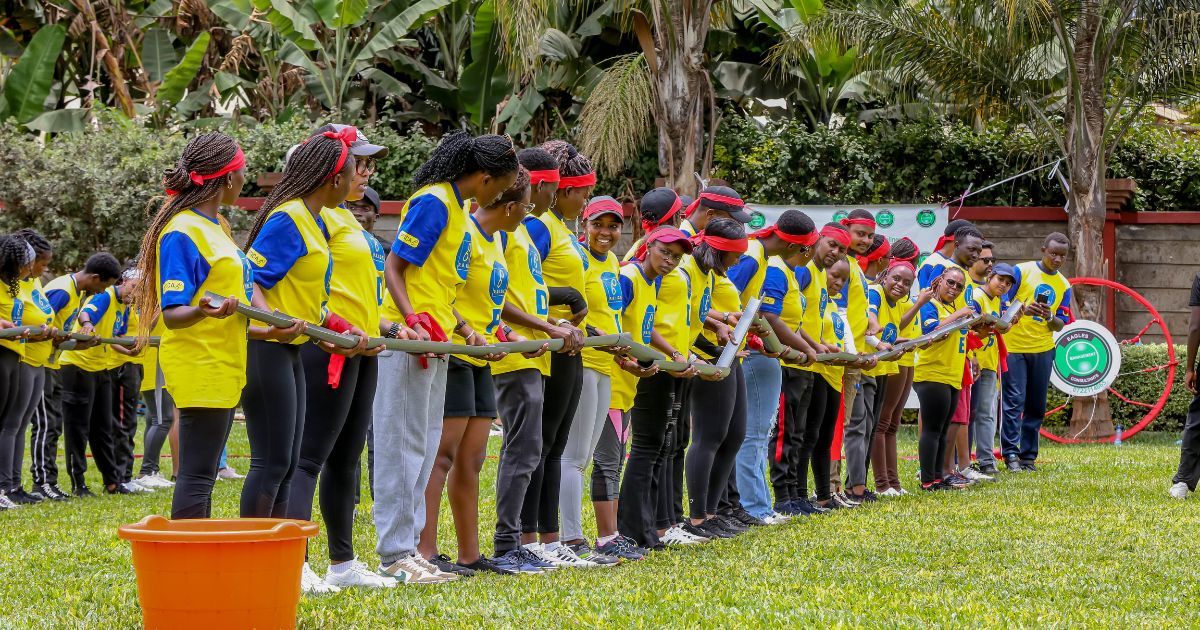
A cohesive workforce drives business growth and long-term success. Employees perform better when they communicate clearly and trust their leadership. To achieve this, many organizations invest in outdoor team building training in Nairobi. A change of environment offers a fresh perspective, allowing teams to break workplace routines and learn interactively. Instead of sitting in boardroom lectures, employees engage in practical challenges that mirror daily office dynamics.
Corporate training has evolved beyond standard seminars. Modern businesses require experiential learning to build agile, resilient teams. If you want to develop stronger managers and foster collaboration, partnering with expert facilitators like www.eaglesconsultants.com ensures your event delivers measurable results. In this comprehensive guide, we will explore how outdoor corporate training enhances leadership, resolves internal conflict and improves overall team performance.
The Value of Outdoor Corporate Training.
Traditional indoor workshops often struggle to keep participants engaged. While classroom learning has its place, outdoor corporate activities bridge the gap between theory and practice. When employees step outside the office, they drop their guard and interact more authentically.
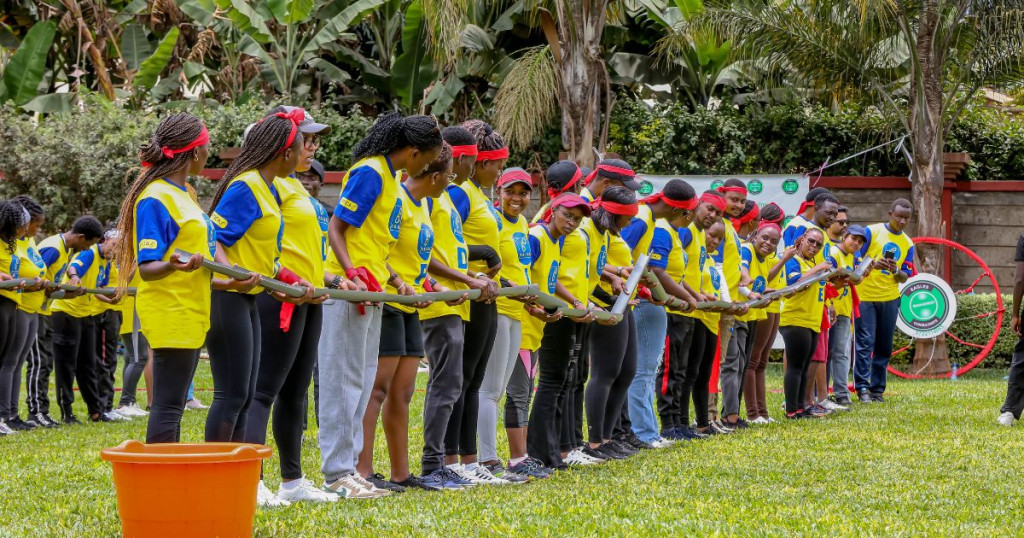
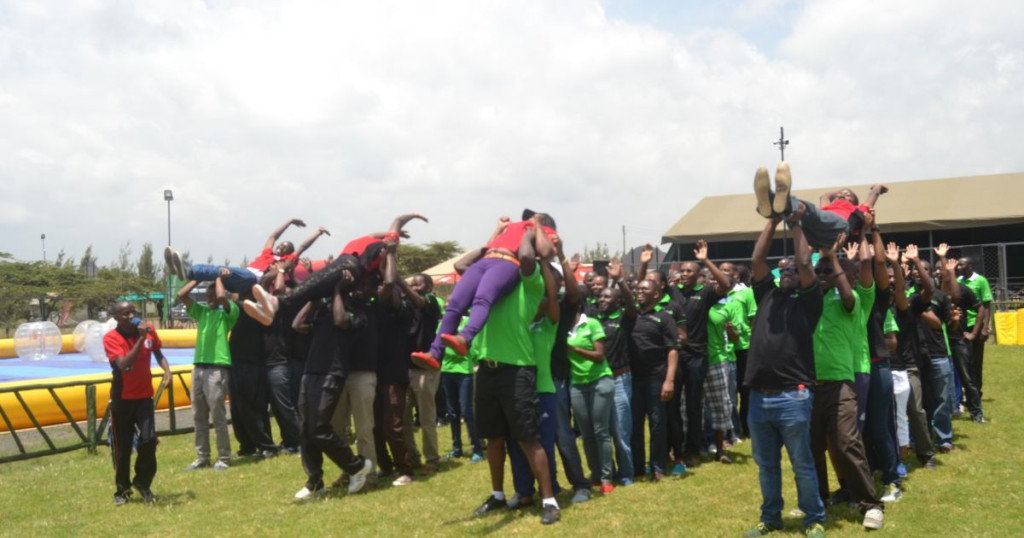
During these sessions, teams face unfamiliar physical and mental challenges. They must work together, communicate under pressure and think strategically to succeed. These simulated exercises reflect real-world business scenarios. Consequently, participants learn how to manage stress, allocate resources and support one another. The lessons learned in an open environment stick longer and translate directly into improved daily operations.
Core Focus Areas for Team Performance.
Effective corporate training companies in Kenya design their programs around specific business objectives. A well-structured event should address the unique challenges your organization faces. Here are the primary focus areas that expert facilitators target:
1. Developing Natural Leaders.
Every company needs strong leaders at all levels, not just in executive roles. Outdoor activities naturally reveal hidden leadership potential among staff members. During a group challenge, you will notice certain individuals stepping up to coordinate efforts, motivate peers and make quick decisions. Leadership training in Nairobi utilizes these moments to teach effective delegation and emotional intelligence. Facilitators guide these emerging leaders on how to guide their peers without micromanaging.
2. Mastering Conflict Resolution.
Workplace disagreements happen in every company. However, unresolved disputes damage productivity and create a toxic culture. Conflict resolution training is a core component of outdoor team building. When a group faces a difficult outdoor challenge, differing opinions will arise. A professional facilitator observes these interactions and steps in to guide the team through constructive debate. Employees learn how to listen actively, compromise, and find common ground without holding grudges.
3. Improving Employee Retention Strategies
High staff turnover costs businesses time and money. Employees leave companies when they feel undervalued, disconnected, or stuck in a stagnant environment. Engaging outdoor training serves as one of the best employee retention strategies available. When a company invests in the personal and professional development of its staff, employees feel appreciated. Furthermore, the strong bonds formed during these events create a supportive workplace culture that people want to stay in.
4. Enhancing Governance and Board Management.
For organizations with complex hierarchies, such as corporate boards or SACCOs, smooth governance is vital. Team building facilitators in Kenya often design specific programs for senior management and board members. These specialized sessions focus on strategic alignment, ethical decision-making, and compliance guidelines. When leadership teams align their visions in a neutral setting, they govern more effectively back in the boardroom.
Designing a Results-Driven Training Program.
Organizing a successful training event requires careful planning and a clear strategy. A simple fun day out will not yield long-term business benefits. To maximize your return on investment, follow these essential steps:
-
Assess Team Gaps: Identify the specific problems holding your team back. Are you dealing with poor communication, low morale or a lack of initiative? Define these gaps clearly before planning the event.
-
Set Clear Objectives: Establish what you want to achieve by the end of the training. Your goal might be improving inter-departmental collaboration or training new managers.
-
Choose the Right Activities: Select challenges that align with your objectives. Avoid generic games that lack a debriefing session. Every activity must have a learning outcome.
-
Hire Professional Facilitators: Partner with established management training programs. Professionals know how to translate an outdoor game into a powerful corporate lesson.
Why Partner with Eagles Consultants for Outdoor Team Building Training in Nairobi?
Choosing the right training partner makes all the difference. When organizations seek impactful outdoor team building training in Nairobi, they turn to www.eaglesconsultants.com.
Eagles Consultants stands out because they focus on substantial corporate growth rather than just entertainment. Their team of expert facilitators conducts thorough pre-training assessments to understand your company’s specific needs. They then design customized programs that target your unique operational challenges.
Whether you need targeted conflict resolution training, executive board management alignment, or general staff motivation, they have the expertise to deliver. By working with www.eaglesconsultants.com, you guarantee that your employees return to the office equipped with practical skills they can apply immediately.
Measuring the Impact of Your Training.
Many business owners wonder how to measure the success of a team building event. Since corporate training is an investment, you need to track its return. Here are a few ways to evaluate the impact of your outdoor training:
-
Post-Training Surveys: Send out anonymous feedback forms a few days after the event. Ask employees what they learned and how they plan to apply those lessons.
-
Track Productivity Metrics: Monitor key performance indicators in the weeks following the training. Look for improvements in project turnaround times and error rates.
-
Observe Office Dynamics: Managers should pay attention to how employees interact post-event. Are meetings more collaborative? Is there less friction between departments?
-
Review Retention Rates: Over the long term, track your staff turnover. A successful ongoing training program will result in higher employee loyalty and longer tenures.
Conclusion: Outdoor Team Building Training in Nairobi.
Investing in outdoor team building training in Nairobi offers a proven pathway to business growth. When you take your employees out of their standard routines, you open the door to genuine skill development. They learn how to communicate effectively, handle disputes gracefully and lead with confidence.
These structured outdoor events are vital for organizations that want to build resilient, high-performing teams. By prioritizing conflict resolution and leadership development, you secure your company’s future success. To ensure your next corporate retreat delivers lasting value, partner with the experts. Visit www.eaglesconsultants.com today to design a customized training program that will transform your workforce.
Frequently Asked Questions (FAQs) on Outdoor Team Building Training in Nairobi.
1. What is outdoor team building training in Nairobi?
It is a structured corporate learning program conducted outside the traditional office environment. It uses physical and mental challenges to teach employees essential skills like leadership, communication and problem-solving.
2. How does team building improve employee retention?
Engaging training programs show employees that the company values their personal and professional growth. Furthermore, the bonds formed during these exercises create a positive, supportive work environment that encourages staff to stay longer.
3. Who should attend leadership training in Nairobi?
Leadership training benefits both current managers and emerging talent. Executives learn how to refine their strategic vision, while junior employees develop the confidence and skills needed to take on future management roles.
4. Why should we hire professional team building facilitators in Kenya?
Professional facilitators possess the psychological and business expertise to extract real corporate lessons from outdoor games. They guide the reflection sessions, ensuring that employees understand how to apply the day’s lessons to their daily office tasks.
5. How much do management training programs cost?
The cost depends on the number of participants, the chosen venue, and the complexity of the customized program. Reputable providers like www.eaglesconsultants.com offer tailored quotes based on your specific corporate objectives and budget.
6. What is the best duration for an outdoor training program?
For foundational team bonding, a full-day session works well. However, for deep behavioral changes, conflict resolution training, or executive board alignment, a two to three-day residential retreat yields the best long-term results.
7. Can outdoor training help with workplace conflict?
Yes. Conflict resolution training is often built into outdoor challenges. Teams are placed in high-pressure scenarios where disagreements naturally arise. Facilitators then coach them on how to navigate these disputes constructively.
8. What makes Eagles Consultants different from other providers?
They focus strictly on return on investment and structured corporate learning. Instead of just offering recreational games, www.eaglesconsultants.com designs targeted programs addressing core business issues like SACCO compliance, board management and strategic leadership.
9. How do we measure the success of a team building event?
You can measure success by tracking post-event productivity, monitoring improvements in inter-departmental communication and reviewing employee retention rates over the following quarters.
10. Can leadership training be tailored for specific sectors like SACCOs?
Yes. Expert facilitators understand that different industries face unique regulatory and operational challenges. Programs can be specifically customized to address sector-specific governance, compliance guidelines and board management strategies.