

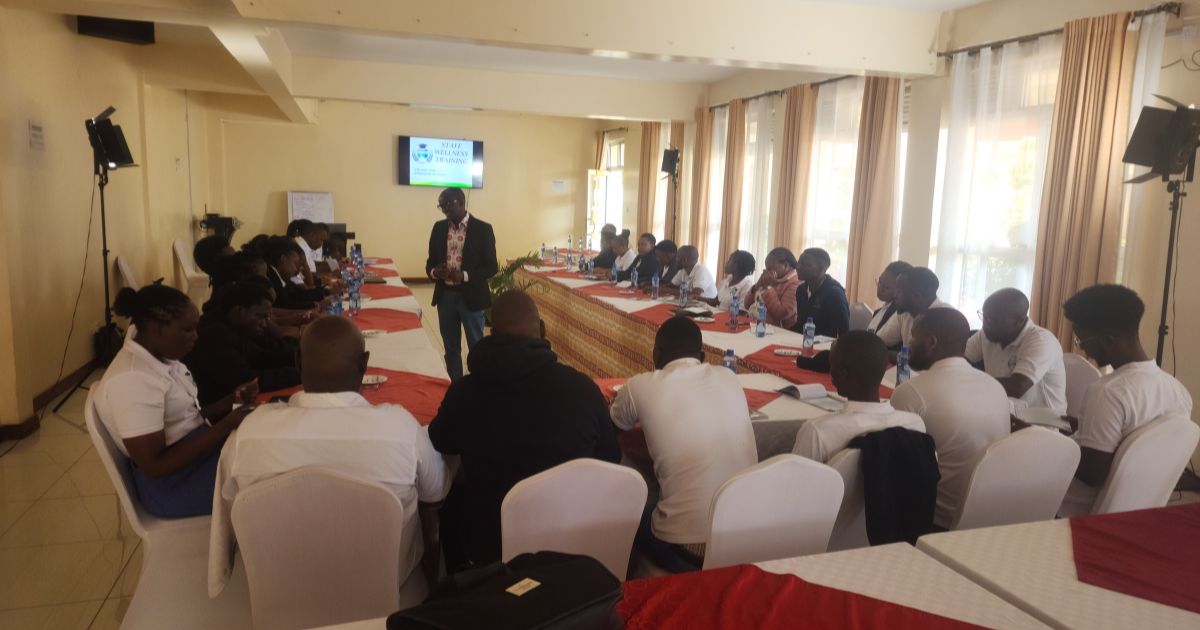
Are your employees technically brilliant but constantly struggling to communicate, collaborate, or resolve minor workplace conflicts? If your office is facing poor teamwork, missed deadlines and low morale, investing in Soft Skills Training in Kenya is the exact solution you need to turn things around. Today, technical qualifications and university degrees are simply not enough. Modern employers need dynamic workers who can listen actively, lead with empathy and adapt to rapidly changing business environments.
Equipping your staff with these essential interpersonal abilities is the fastest way to boost workplace performance and company profitability. For customized, high-impact corporate training programs that will transform your workforce, visit www.eaglesconsultants.com.
What Are Soft Skills and Why Do They Matter in the Workplace?
Before diving into how training transforms a business, it is important to understand what soft skills actually are. In the corporate world, skills are generally divided into two categories: hard skills and soft skills.
Hard skills are the specific, teachable and technical abilities required to do a job. For example, a graphic designer knows how to use design software, and an accountant knows how to prepare financial statements. Soft skills, on the other hand, are the interpersonal attributes, personality traits and communication abilities that dictate how well a person interacts with others.
While hard skills might get an applicant through the interview door, soft skills are what determine whether they will succeed, lead a team, and handle the daily pressures of the job. A brilliant software developer who cannot communicate their ideas to the marketing team will ultimately slow down company progress. This is why organizations across Nairobi and the rest of the country are heavily investing in corporate training to bridge this gap.
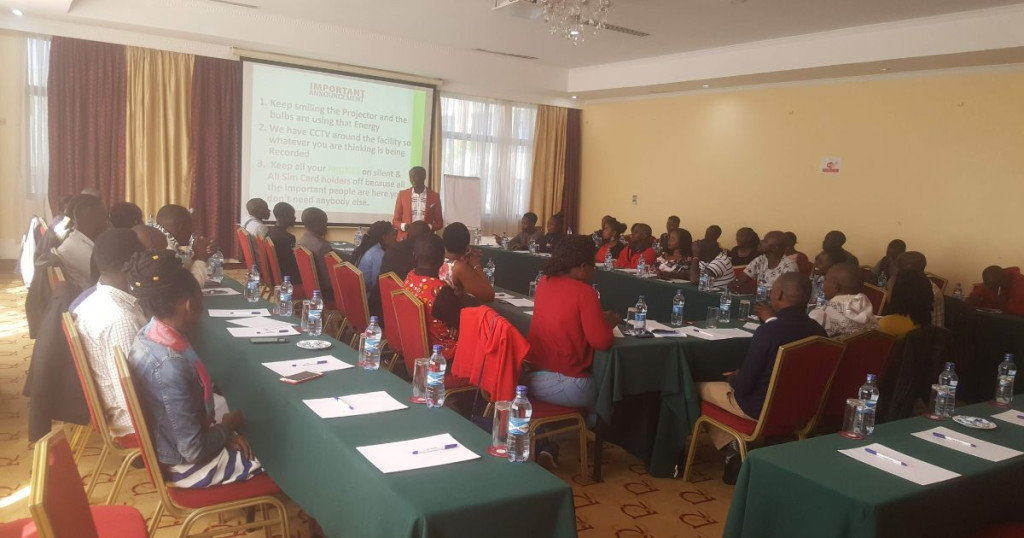
8 Essential Soft Skills Every Kenyan Workforce Needs.
If you want to improve employee productivity and overall workplace performance, you need to focus on specific areas of human development. Here are the top soft skills that every successful organization must cultivate:
1. Effective Communication Skills.
Clear communication is the absolute foundation of a productive workplace. When employees communicate effectively, they avoid costly misunderstandings, reduce endless email chains and execute tasks correctly the first time. Good communication involves active listening, confident public speaking, professional writing and knowing how to present ideas clearly during meetings.
2. Leadership and Executive Management.
Leadership is not just a title for directors and CEOs; it is a mindset that every employee should possess. Leadership skills help staff take initiative, guide their peers and make sound decisions under pressure. By training your staff in leadership development, you are essentially preparing your organization’s future managers, ensuring long-term business sustainability.
3. Teamwork and Collaboration.
No major corporate project is ever completed by a single person. Employees must work together to achieve company goals. Teamwork training helps staff members understand different personality types, break down departmental silos and collaborate smoothly. It builds trust, which is the core ingredient of any high-performing corporate team.
4. Emotional Intelligence (EQ).
Emotional intelligence is the ability to recognize, understand and manage your own emotions, as well as the emotions of your colleagues. In high-pressure work environments, stress can easily lead to burnout or toxic behavior. Employees with high emotional intelligence stay calm under pressure, accept constructive criticism gracefully and support their coworkers during difficult times.
5. Time Management and Productivity.
Poor time management leads to missed deadlines, rushed work and highly stressed employees. Training your staff on how to manage their time teaches them how to set priorities, plan their daily tasks, avoid workplace distractions and organize their workloads efficiently. Better time management translates directly into a healthier bottom line for the company.
6. Conflict Resolution.
In any diverse workplace, disagreements are inevitable. However, conflicts only become a problem when they are handled poorly. Conflict resolution training equips your team with the tools to address differences of opinion respectfully and professionally. Instead of letting arguments disrupt productivity, employees learn how to find mutually beneficial compromises.
7. Customer Service and Business Etiquette.
Your frontline employees are the face of your brand. How they speak to clients, handle complaints and present themselves directly impacts your company’s reputation. Training in business etiquette and customer service ensures that every client interaction is professional, empathetic and aligned with your brand values, leading to higher customer retention.
8. Adaptability and Problem Solving.
The business landscape in Kenya is incredibly dynamic. Companies merge, new technologies emerge and market trends shift rapidly. Employees who are rigid and resistant to change will hold your business back. Adaptability and critical thinking training teach workers how to embrace change, solve unexpected problems creatively and thrive outside of their comfort zones.
How Soft Skills Training Directly Improves Employee Productivity.
Many business owners wonder if investing in soft skills actually provides a measurable return on investment (ROI). The answer is a resounding yes. Here is how specialized corporate training directly impacts your daily operations:
- Reduces Costly Mistakes: When instructions are communicated clearly and teams collaborate openly, the margin for error drops significantly. Tasks are completed accurately the first time.
- Increases Employee Retention: Staff members who receive continuous professional development feel valued and supported. This boosts employee engagement and reduces the high costs associated with hiring and onboarding new staff.
- Enhances Customer Loyalty: Well-trained employees handle client disputes with emotional intelligence and professionalism, turning frustrated customers into loyal brand advocates.
- Fosters a Positive Work Culture: A workplace free of toxic conflicts, where time is managed well and leaders inspire their teams, naturally becomes a highly productive and pleasant place to work.
The Financial Advantage: NITA Certified Corporate Training.
One of the biggest advantages for businesses in Kenya is the ability to offset the costs of employee development. The National Industrial Training Authority (NITA) provides reimbursements to contributing employers who train their staff.
To benefit from this, your organization must partner with a NITA-certified training provider. By doing so, you can dramatically improve your team’s soft skills while protecting your company’s training budget. You must ensure that the course curriculum is registered and approved by NITA prior to the training. When you book your sessions through www.eaglesconsultants.com, their team will guide you through the compliance and reimbursement process, making corporate training highly cost-effective for your business.
Warning Signs Your Company Needs Immediate Corporate Training.
How do HR managers and business owners know when it is time to invest in professional development? Look out for these clear red flags in your organization:
- High Staff Turnover: If employees are constantly resigning, it is often a sign of poor leadership, toxic communication or a lack of career development opportunities.
- Frequent Customer Complaints: An increase in negative client feedback usually points directly to a lack of emotional intelligence and poor customer service skills among frontline staff.
- Constant Missed Deadlines: If your team is always behind schedule despite having enough personnel, they likely lack proper time management and prioritization skills.
- Silos and Poor Teamwork: When departments refuse to share information or constantly blame each other for failures, teamwork and collaboration training is urgently needed.
- Unresolved Office Conflicts: Frequent arguments, office gossip and tension that disrupts the daily workflow are clear signs that your team needs conflict resolution training.
Why Choose Eagles Consultants for Your Training Needs?
When it comes to executing impactful corporate training in Kenya, choosing an experienced and accredited partner makes all the difference. You cannot rely on generic, one-size-fits-all lectures to transform workplace behavior. Here is why top organizations trust Eagles Consultants:
- Customized Training Modules: They deeply study your organization’s unique operational bottlenecks and design customized courses that target your specific skill gaps.
- Expert Local Facilitators: Their trainers are seasoned industry experts who use practical case studies, interactive group tasks and modern simulations to make learning highly engaging.
- Comprehensive NITA Support: As a registered provider, they assist HR managers in navigating the paperwork required to ensure your training qualifies for employer reimbursement.
- Diverse Course Catalog: Whether you need dynamic corporate team building, executive leadership masterclasses or basic workplace etiquette training, they offer a full suite of accredited programs.
You can explore their full range of corporate development programs directly at www.eaglesconsultants.com.
10 Frequently Asked Questions (FAQs) About Soft skills training in Kenya.
1. What exactly is soft skills training?
Soft skills training is a professional development program focused on improving interpersonal abilities, such as communication, leadership, emotional intelligence and teamwork. Unlike technical hard skills, soft skills teach employees how to interact effectively with colleagues and clients.
2. Why is soft skills training so important in the modern workplace?
It is important because technical skills alone cannot drive business success. Employees need to know how to manage their time, resolve conflicts and communicate clearly to ensure the company operates smoothly and maintains high customer satisfaction.
3. What are the most highly requested soft skills training topics in Kenya?
The most requested topics include Leadership and Management Development, Effective Communication Skills, Team Building and Collaboration, Emotional Intelligence and Customer Service Excellence.
4. How does soft skills training directly improve employee productivity?
It improves productivity by reducing workplace misunderstandings, teaching employees how to prioritize tasks efficiently, boosting staff morale and creating a more collaborative, stress-free work environment.
5. Can soft skills actually be taught to adults or are they natural personality traits?
Yes, they can absolutely be taught. While some people naturally have higher emotional intelligence or communication abilities, professional training uses behavioral psychology, role-playing and practical exercises to teach anyone how to improve their interpersonal habits.
6. Are corporate soft skills courses reimbursable by NITA in Kenya?
Yes. NITA recognizes that soft skills, stress management and workplace communication are vital for organizational productivity. If you use a certified provider, these courses are eligible for reimbursement. You can book NITA-approved courses at www.eaglesconsultants.com.
7. How long does a typical corporate training program take?
The duration depends on the company’s needs. It can range from a one-day intensive team-building workshop to a multi-week executive leadership masterclass. Providers often customize the schedule to avoid disrupting your core business operations.
8. Who should attend soft skills training in an organization?
Everyone can benefit. Customer service teams need it for client interactions, managers need it for leadership and general staff need it for teamwork and time management. Training should ideally happen across all levels of the company.
9. How can a company measure the success and ROI of a soft skills training program?
Success can be measured by tracking key performance indicators (KPIs) before and after the training. Look for a reduction in customer complaints, lower employee turnover rates, faster project completion times and improved scores in internal employee satisfaction surveys.
10. Where can I find the best soft skills trainers in Kenya?
For the most practical, engaging, and NITA-certified corporate training programs, you should partner with experienced industry leaders. You can consult with experts and book your tailored training sessions by visiting www.eaglesconsultants.com.
Conclusion: Soft Skills Training in Kenya.
The modern corporate landscape in Kenya is highly competitive. To stay ahead, your business needs more than just state-of-the-art technology and smart strategies; it needs a highly unified, motivated and emotionally intelligent workforce. Soft Skills Training in Kenya is no longer an optional luxury—it is a critical investment in your company’s long-term survival and growth.
By empowering your employees with robust communication skills, strong leadership capabilities and the emotional intelligence to handle workplace stress, you instantly boost your overall productivity and create a workplace culture that top talent wants to join. Do not let poor communication and toxic conflicts drain your company’s potential. Take the decisive step to empower your team today. Visit www.eaglesconsultants.com to explore customized training solutions that will transform your workforce and elevate your business to new heights.