

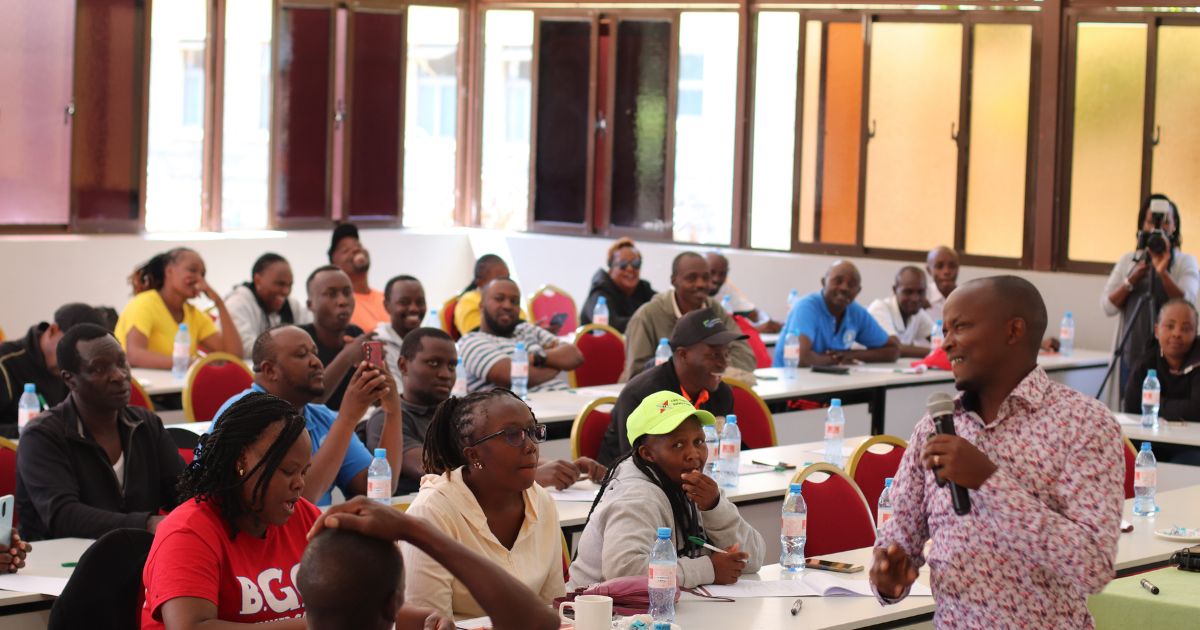
Are you struggling to bridge the gap between technical expertise and effective people management within your organization? Technical brilliance does not always translate directly into excellent managerial capability. Leadership Development Programs in Kenya have become the essential bridge that transforms ordinary supervisors and skilled professionals into visionary executives capable of driving organizational success. For organizations looking to equip their management teams with world-class competencies, partnering with seasoned experts via www.eaglesconsultants.com ensures your company builds a resilient, agile and highly motivated next generation of leaders.
In this comprehensive guide, we will explore the critical importance of corporate leadership training and the core skills modules covered in these management programs.
Why Leadership Development Matters for Kenyan Businesses.
Kenya is recognized as the economic powerhouse of East Africa, housing numerous multinational headquarters, rapidly scaling tech startups and deeply rooted local enterprises. As companies scale, the complexity of managing diverse teams, navigating regulatory changes, and maintaining a competitive edge increases exponentially.
Historically, companies promoted their highest-performing technical staff—such as top accountants, stellar salespeople or brilliant software engineers—into management roles, assuming their functional expertise would automatically make them great leaders. This approach often led to team friction, high employee turnover, and operational bottlenecks. Today, progressive HR directors and business owners understand that leadership is a distinct discipline.
Structured executive training interventions solve this problem by focusing on human dynamics, strategic foresight and organizational alignment. By rolling out customized management courses in Nairobi, Mombasa, Naivasha and Kisumu, corporate entities are actively transforming how their organizational hierarchies function.
Core Pillars of Effective Leadership Development.
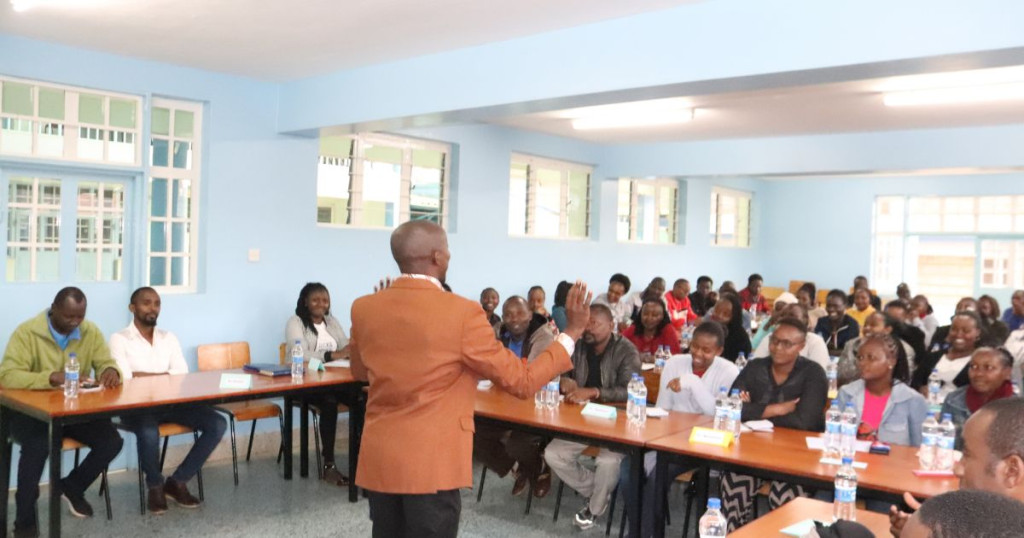
What exactly do professionals learn during these intensive corporate training workshops? The most successful corporate management courses focus on practical, actionable skills that can be applied immediately in the workplace.
1. Strategic Thinking and Vision Setting.
Managers are often bogged down by day-to-day firefighting and operational emergencies. Leadership training forces participants to step back and look at the bigger picture. They learn how to align their departmental goals with the overarching corporate strategy. Also they learn anticipate market shifts and plan for long-term sustainability rather than just short-term fixes.
2. Advanced Communication and Influence.
A leader is only as effective as their ability to communicate. Executive coaching dives deep into active listening, boardroom presentation skills and the art of executive storytelling. Leaders learn how to articulate a clear vision, provide constructive feedback without causing defensiveness and communicate transparently during times of corporate crisis or uncertainty.
3. Emotional Intelligence (EQ) and Self-Awareness.
High emotional intelligence is often the distinguishing factor between a good manager and a great leader. Training workshops heavily emphasize self-awareness—understanding one’s own leadership style and triggers. Furthermore, leaders learn empathy, enabling them to recognize the emotional states of their team members, thereby fostering a psychologically safe environment where innovation can thrive.
4. Conflict Resolution and Negotiation.
Where there are people, there will be friction. Instead of avoiding conflict, trained leaders know how to navigate it constructively. Effective management courses teach leaders how to mediate disputes between colleagues, negotiate better outcomes with external stakeholders and turn workplace disagreements into opportunities for process improvement.
5. Change Management and Adaptability.
Whether it is implementing a new digital software system, merging departments, or shifting business models, change is constant. Leadership programs equip managers with change management frameworks to overcome employee resistance, communicate the benefits of transformation and lead teams smoothly through periods of disruption.
6. Team Motivation and Talent Retention.
Employee engagement is a critical metric for HR departments across Kenya. Leaders learn the psychology of motivation—understanding that financial compensation is only one part of the puzzle. They learn how to delegate effectively, empower staff, recognize achievements, and create a strong workplace culture that retains top talent.
7. Decision-Making and Problem Solving.
Leaders face complex, high-stakes decisions daily. Executive development introduces analytical frameworks that help leaders evaluate risks, gather relevant data, avoid cognitive biases and make firm, strategic choices that protect and advance the organization.
Explore how different leadership competencies shift in priority as professionals climb the corporate ladder using this interactive matrix:
Benefits of Leadership Development for Kenyan Businesses.
Organizations that commit to continuous executive leadership training yield substantial returns on their investment. The impact is felt across all levels of the corporate structure.
- Improved Operational Productivity: When managers know how to delegate tasks effectively and set clear expectations, workflows become streamlined. Departments stop operating in silos and begin collaborating toward shared corporate objectives.
- Stronger Succession Pipelines: Companies that develop their internal talent rarely have to panic when a senior executive resigns. Leadership development ensures there is always a pool of capable, prepared individuals ready to step into critical roles.
- Enhanced Workplace Culture: Toxic work environments are usually the result of poor management. Training equips leaders with the emotional intelligence required to build a positive, inclusive and supportive corporate culture.
- Better Risk Management: Trained executives are highly analytical. They anticipate industry challenges, manage resources carefully and steer the company away from operational or financial disasters.
Leadership Training Formats in Kenya.
To accommodate the busy schedules of modern professionals, corporate training firms offer highly flexible delivery methods. Companies can choose the format that best suits their operational rhythm and budget.
1. In-House Corporate Workshops.
For larger organizations, having facilitators come directly to the corporate headquarters is highly efficient. This allows entire management teams or specific departments to be trained simultaneously. In-house training is highly customizable, ensuring the curriculum directly addresses the specific challenges the company is currently facing.
2. Off-Site Corporate Retreats.
Taking the leadership team away from the office environment is one of the most effective ways to foster deep learning. Venues in Naivasha, Machakos and the Maasai Mara provide tranquil environments where executives can disconnect from daily operational distractions and focus entirely on strategic growth, team building and leadership synergy.
3. Executive Coaching and Mentorship.
For C-suite executives, directors, and business owners, group training might not be intimate enough. One-on-one executive coaching provides a confidential space for top-tier leaders to discuss sensitive organizational challenges, refine their personal leadership brands and work through complex strategic dilemmas with a seasoned mentor.
Who Should Attend Leadership Development Programs?
A common misconception is that leadership development is only for the CEO or the Board of Directors. In reality, leadership training should be cascaded throughout the organization to ensure alignment at every level.
- First-Time Supervisors: The transition from peer to boss is incredibly difficult. New managers need immediate support in learning how to delegate, manage performance, and give feedback to people who used to be their equals.
- Mid-Level Managers: These individuals are the operational engine of the company. They need training in cross-departmental collaboration, conflict resolution, and translating high-level corporate strategy into actionable team tasks.
- Senior Executives and C-Suite: At the top level, training shifts from operational management to visionary leadership, corporate governance, change management and industry foresight.
- High-Potential Employees (Talent Pipeline): Identifying your brightest technical staff and enrolling them in leadership programs before they are promoted ensures they are fully equipped to handle management responsibilities when the time comes.
How to Choose a Leadership Training Provider in Kenya.
The effectiveness of any training program relies entirely on the expertise of the facilitators. When selecting a consulting firm to handle your organization’s development, look for partners with a proven track record in the East African market.
Ensure the firm utilizes experiential learning methodologies—such as case studies, role-playing, and interactive simulations—rather than just delivering dry, theoretical lectures. The best programs are those that can be customized to reflect your specific industry, whether you are in banking, manufacturing, hospitality or the NGO sector. Note that investment requirements vary widely based on the duration, location and level of customization required, making it crucial to request tailored proposals rather than relying on standard rates.
For a partner that understands the unique nuances of the regional business environment, consider the comprehensive programs offered at www.eaglesconsultants.com.
Frequently Asked Questions About Leadership Development Programs in Kenya.
1. What are Leadership Development Programs in Kenya?
These are structured corporate training courses designed to equip managers, supervisors and executives with the soft skills and strategic frameworks needed to lead teams, drive productivity and manage organizational change effectively.
2. Who should attend leadership and management training?
Training is beneficial for first-time supervisors, mid-level managers, C-suite executives and high-potential employees being groomed for future leadership roles.
3. Why is emotional intelligence important in leadership?
Emotional intelligence allows leaders to understand their own triggers, empathize with their team members and navigate workplace stress without resorting to toxic management habits. It is critical for maintaining high employee morale.
4. Can leadership training be customized for our specific company?
Yes. Top consulting firms conduct a needs assessment prior to the training to ensure the case studies, modules and simulations directly address your organization’s unique challenges and goals. Request a custom program at www.eaglesconsultants.com.
5. How much do executive training programs cost?
The investment depends entirely on the delivery format, the length of the program, the number of participants and the level of customization. Contact professional consultants directly for an accurate and tailored quote.
6. Do we have to travel out of Nairobi for the training?
Not necessarily. While off-site retreats in places like Naivasha or Mombasa are excellent for minimizing distractions, professional facilitators can also conduct high-impact in-house sessions directly in your corporate boardroom.
7. How long does a typical leadership program last?
Programs range from intensive 2-to-3-day workshops to extended modular programs spread over several months, accompanied by ongoing executive coaching.
8. What is the difference between team building and leadership training?
Team building generally focuses on improving camaraderie, trust, and communication among peers through interactive outdoor activities. Leadership training is a more structured, classroom or workshop-based intervention focused on strategic management, governance and supervisory skills.
9. How do we measure the ROI of leadership development?
Organizations measure return on investment through metrics such as reduced employee turnover, higher internal promotion rates, improved departmental output, fewer workplace grievances and successful execution of strategic initiatives.
10. How do we book a certified leadership trainer for our company?
The best way to secure top-tier facilitation is to partner with established management experts. You can easily schedule a consultation and book your corporate training by visiting www.eaglesconsultants.com.
Final Thought on Leadership Development Programs in Kenya.
Building a successful company requires more than just a great product or service; it requires exceptional people to steer the ship. Leadership Development Programs in Kenya are the catalyst for transforming standard management into visionary leadership. By investing in the strategic, communication and emotional competencies of your management team, you insulate your company against market disruptions, reduce costly staff turnover and foster a culture of high performance and accountability.
Do not wait for poor management to erode your company’s potential. Proactively equip your supervisors and executives with the tools they need to inspire their teams and execute your corporate vision flawlessly. To take the next step in securing your organization’s future, visit www.eaglesconsultants.com today and discover how expert-led corporate training can build your ultimate generation of leaders.