

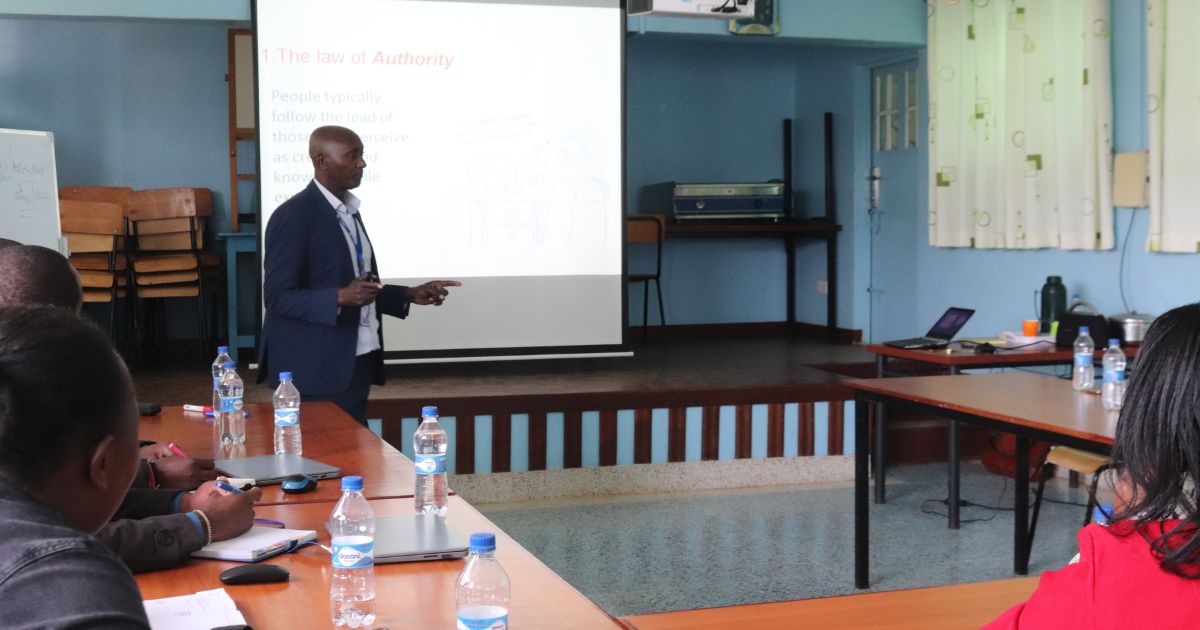
In today’s fast-paced corporate environment, unmanaged workplace pressure often leads to burnout, low morale and reduced employee productivity. Equipping your team with Stress Management Training in Kenya is a proven strategy to build emotional resilience and foster a healthy, motivated workforce. By teaching staff practical skills to navigate daily anxiety, meet demanding deadlines and balance their personal lives, organizations can completely transform their workplace culture. For businesses looking to implement structured and effective corporate wellness programs, partnering with www.eaglesconsultants.com provides access to expert-led training tailored to the unique dynamics of the modern office.
The Importance of Workplace Mental Health in Kenya.
The modern workplace is highly demanding. Employees constantly juggle tight deadlines, complex projects and the pressure to perform at high levels. When this pressure becomes excessive and unmanageable, it transitions into negative stress. Mental health challenges not only affect an individual’s focus and emotional well-being but also have a direct impact on the overall productivity of the organization.
Corporate wellness is no longer just a luxury; it is a fundamental requirement for sustainable business growth. Unmanaged stress leads to high rates of absenteeism, poor decision-making and increased staff turnover. By prioritizing mental wellness education, companies create an environment where open conversations are normalized and the stigma surrounding mental health is significantly reduced.
Providing professional support equips employees with early response skills. When staff members know how to identify their own pressure triggers, they can take proactive steps to calm their minds before a situation escalates. This preventive approach minimizes the risk of severe burnout and ensures that teams remain engaged, creative and collaborative throughout the financial year.
Core Modules in a Comprehensive Wellness Program.
To deliver measurable results, a high-quality training program must address multiple facets of mental well-being. Below is a structured breakdown of the core modules typically covered during professional sessions.
| Training Module | Key Focus Areas | Expected Workplace Outcome |
| Understanding Stress | Identifying root causes, physical symptoms and the difference between positive pressure and negative stress. | Employees gain self-awareness and can identify their personal triggers early. |
| Anxiety & Depression Awareness | Recognizing early behavioral indicators, energy changes and emotional regulation techniques. | Fosters a supportive environment where staff seek timely help without fear of stigma. |
| Coping Strategies | Grounding techniques, breathing exercises, mindfulness and practical relaxation methods. | Workers remain calm and focused, even during high-pressure situations or busy seasons. |
| Time & Pressure Management | Prioritizing tasks, setting realistic goals and managing workloads effectively. | Reduced daily overwhelm, leading to better focus and fewer missed deadlines. |
| Decision Making Under Pressure | Handling complexity, managing multiple objectives and overcoming emotional bias. | Leaders and staff make rational, effective decisions during corporate crises. |
Practical Skills Developed During Stress Management Training in Kenya.
Investing in structured training provides employees with tools they can use immediately at their desks and in their personal lives.
1. Emotional Intelligence and Regulation.
One of the primary skills learned is emotional regulation. Participants learn how to observe their emotions without letting them dictate their actions. This skill is critical during team conflicts or when dealing with difficult clients. High emotional intelligence allows employees to pause, assess the situation calmly and respond professionally rather than reacting impulsively.
2. Effective Communication and Active Listening.
Stress often causes communication breakdowns, leading to misunderstandings and frustration among colleagues. Wellness workshops emphasize the importance of active listening and clear, empathetic communication. When team members communicate effectively, they can express their boundaries, ask for help when overwhelmed and collaborate more efficiently on shared tasks.
3. Cognitive Behavioral Adjustments.
How we think about stress directly affects how our bodies respond to it. Professional facilitators teach cognitive strategies to reframe negative thought patterns. Instead of viewing a large project as an impossible burden, employees learn to break it down into manageable steps. This shift in mindset builds long-term psychological resilience.
4. Work-Life Integration.
Achieving a healthy balance between work responsibilities and personal life is essential for mental health. Training sessions provide actionable advice on how to disconnect after working hours, establish healthy routines and prioritize rest. Employees who recharge adequately return to the office with higher energy levels and renewed motivation.
The Strategic Benefits of Stress Management Training in Kenya
When an organization invests in the mental well-being of its staff, the return on investment is evident across all departments. Healthy, supported employees simply perform better.
- Increased Productivity: When minds are clear and focused, the quality and speed of work improve. Employees make fewer errors and can concentrate on complex tasks for longer periods.
- Reduced Employee Turnover: Staff members are more loyal to companies that actively care for their well-being. Retaining experienced talent saves the organization significant recruitment and onboarding costs.
- Enhanced Team Dynamics: Shared training experiences break down departmental silos. Colleagues develop mutual empathy, which leads to stronger, more cohesive teamwork.
- Stronger Leadership: Managers who undergo mental health training become more compassionate and effective leaders. They learn how to spot signs of burnout in their team members and provide appropriate support before performance drops.
Planning and Budgeting for Corporate Training.
When organizing a wellness workshop, HR managers must consider the specific needs of their workforce. The ideal program should align with the company’s current challenges, whether that is navigating a major structural change, recovering from a busy peak season or simply boosting general morale.
Because the needs of every organization vary, training packages are highly customizable. Factors such as the number of participants, the location (in-house, off-site or virtual), and the duration of the program will influence the final budget.
It is important to note that fixed price figures are rarely accurate, as market rates for facilitation, venue hire and materials change over time. Instead of relying on static pricing, organizations should request an indicative price range. Requesting a tailored proposal ensures you receive accurate estimated costs that reflect your specific group size and training objectives. You can explore custom solutions and request these estimates directly through www.eaglesconsultants.com.
Choosing the Right Training Partner.
The success of a mental health program heavily relies on the expertise of the facilitators. Mental wellness is a sensitive topic that requires a careful, professional and empathetic approach.
When selecting a provider, ensure that the trainers are certified professionals with experience in corporate psychology and human resources. The sessions must be interactive, utilizing practical case studies, group discussions and role-playing rather than just theoretical lectures. Furthermore, a good training partner will offer post-training evaluations and follow-up support to ensure the skills learned are actively applied in the workplace.
www.eaglesconsultants.com deliver evidence-based, highly interactive sessions tailored precisely to the Kenyan corporate context. Their structured approach guarantees that participants leave with actionable tools that drive long-term positive change.
Frequently Asked Questions (FAQs) About Stress Management Training in Kenya.
1. What exactly is Stress Management Training in Kenya?
It is a structured corporate program designed to teach employees how to identify, understand, and healthily manage workplace pressure, anxiety and daily stressors to improve overall well-being and productivity.
2. Who should attend these mental wellness workshops?
These programs are beneficial for everyone in an organization, from entry-level staff managing daily tasks to executive leaders who need to make high-stakes decisions under pressure and support their teams.
3. How long does a standard corporate training session take?
The duration is flexible. Programs can range from a half-day awareness workshop to comprehensive two-day or three-day retreats, depending on the depth of the modules chosen by the organization.
4. Are exact prices available for these training packages?
Because specific needs, group sizes, and venue preferences vary, fixed prices are not provided as they change with time. Instead, companies should request indicative price ranges and custom proposals to guide their budgeting accurately.
5. Can the training be conducted virtually?
Yes. For organizations with remote teams or distributed branches, interactive online sessions are highly effective and provide the same level of practical skill development as in-person workshops.
6. What are the clear signs that my team needs this training?
Common indicators include rising absenteeism, constant missed deadlines, frequent interpersonal conflicts, visible exhaustion and a general drop in office morale.
7. Does the program cover deeper issues like depression and anxiety?
Yes. A comprehensive training session includes modules on depression and anxiety awareness, helping employees recognize early warning signs and understand the pathways to seeking professional support.
8. How does stress management directly boost company productivity?
By equipping employees with emotional regulation and time management skills, they overcome mental fatigue faster. This leads to clearer thinking, fewer errors and a more energetic approach to daily tasks.
9. Are the facilitators certified professionals?
Reputable firms utilize certified trainers and organizational psychologists who understand the local corporate landscape and can handle sensitive mental health topics with professional care.
10. How do I book a customized wellness program for my company?
You can easily arrange for an in-house, off-site or virtual training session by requesting a tailored proposal directly through www.eaglesconsultants.com.
Conclusion.
Implementing Stress Management Training in Kenya is one of the most strategic decisions an organization can make. The modern workplace demands high performance, but sustained success is only possible when the workforce is mentally healthy, emotionally resilient and properly supported. By providing your team with practical tools to manage pressure, regulate anxiety, and communicate effectively, you protect your most valuable asset: your people.
Do not wait for burnout to disrupt your company’s growth and morale. Take proactive steps to build a positive, supportive and highly productive work environment. Invest in customized, expert-led wellness programs today by visiting www.eaglesconsultants.com to request an indicative quote and start your team’s journey toward lasting professional well-being.