
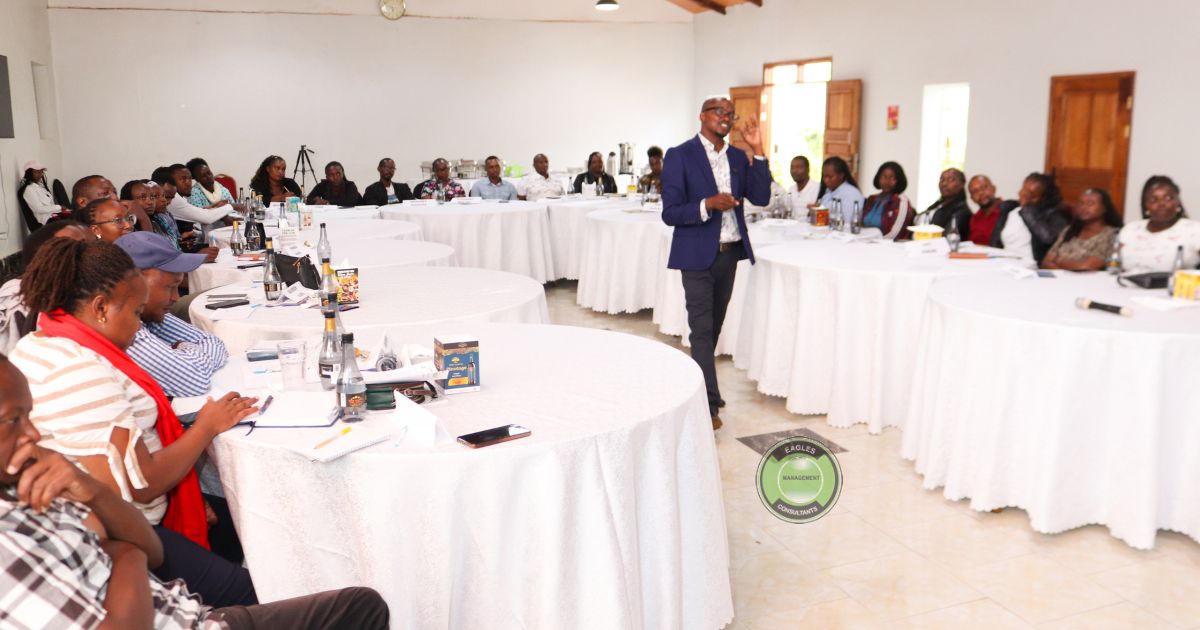
Are your non-profit teams struggling to meet strict donor deadlines, navigate complex compliance mandates or retain top talent in a competitive development sector? Investing in professional Corporate Training for NGOs in Kenya is the most reliable strategy to build a resilient, high-performing workforce capable of delivering sustainable social impact. Through tailored capacity-building programs from www.eaglesconsultants.com, non-governmental organizations (NGOs), international non-profits and community-based organizations (CBOs) across East Africa can equip their personnel with practical skills in grant management, leadership, monitoring and evaluation and operational compliance.
Why Corporate Training for NGOs in Kenya is Essential.
The non-profit landscape in East Africa is evolving rapidly. International donors, regulatory authorities like the NGO Co-ordination Board and local communities demand unprecedented levels of transparency, operational efficiency,and measurable outcomes. Standard, generic corporate seminars often fail to address the unique operational challenges that non-governmental organizations face daily.
Providing specialized staff development programs delivers clear structural advantages for development organizations:
- Enhanced Grant Compliance and Donor Satisfaction: Funding partners such as USAID, the European Union, the UN and private foundations enforce strict reporting guidelines. Well-trained project officers and finance teams minimize compliance risks, eliminate audit red flags and build long-term donor trust.
- Improved Project Cycle Management: From baseline surveys to final project closeout, structured capacity building enables project managers to track deliverables accurately, manage resource burn rates and execute interventions on schedule.
- Higher Talent Retention and Staff Morale: The non-profit sector frequently faces high staff turnover due to burnout and competitive headhunting. Offering continuous professional development shows commitment to employee career growth, boosting workplace satisfaction.
- Strengthened Field and Office Synergy: Custom staff training bridges the operational gap between headquarters leadership, administrative personnel and field officers implementing programs in hardship areas.
- Robust Governance and Risk Mitigation: Training executive directors, board members, and senior management on ethics, fraud prevention and strategic governance protects organizational reputation and funding security.
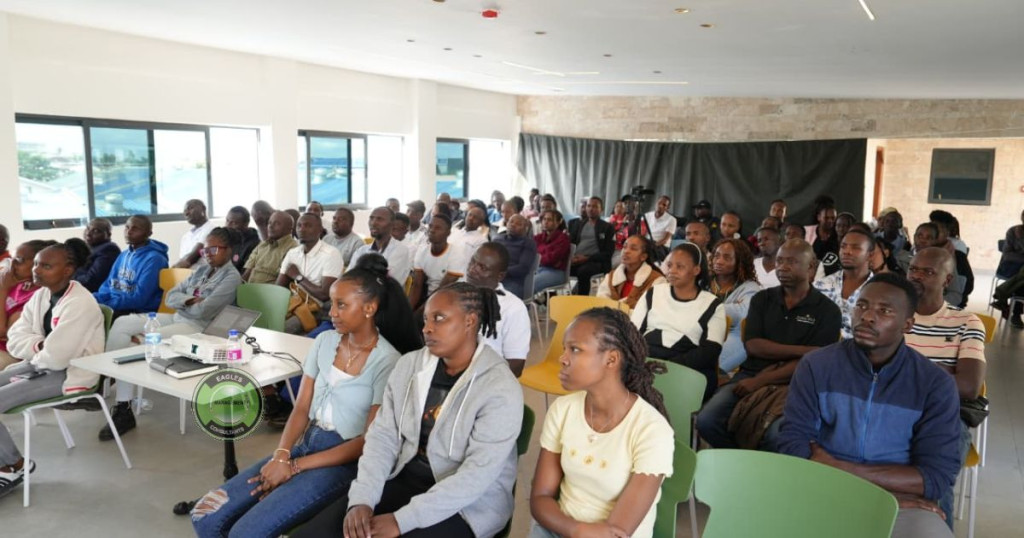
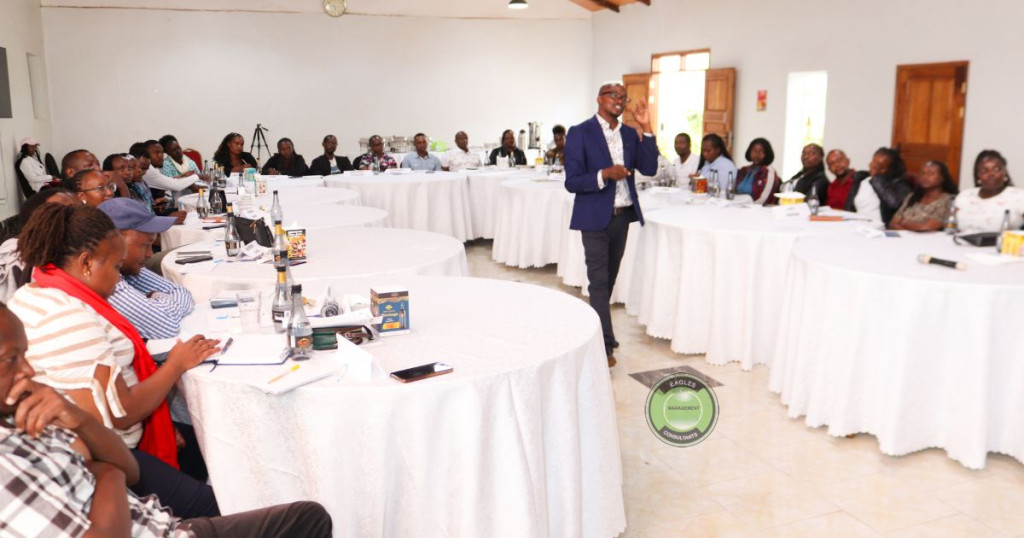
Core Pillars of NGO Capacity Building Programs.
A successful staff development framework must address both technical, sector-specific competences and essential soft skills. To achieve holistic growth, leading consulting partners structure their curriculum around five fundamental pillars:
+-----------------------------------------------------------------------+
|                 NGO CAPACITY BUILDING FRAMEWORK                       |
+------------------------------------+----------------------------------+
| 1. Financial & Grant Stewardship   | 2. MEAL Systems & Data Analytics |
|    - Donor Compliance & Audits     |    - Logframes & Theory of Change|
|    - Finance for Non-Finance Staff |    - Digital Data Collection Tools|
|    - Budgeting & Burn Rate Control |    - Impact Reporting & Dashboards|
+------------------------------------+----------------------------------+
| 3. Program Execution & Strategy    | 4. Leadership & People Wellness  |
|    - Project Cycle Management      |    - Executive Leadership Coaching|
|    - Proposal Writing & Fundraising|    - Mental Health & Staff Care   |
|    - Stakeholder Negotiation       |    - Team Dynamics & Collaboration|
+------------------------------------+----------------------------------+
1. Grant Management, Donor Compliance and Audit Readiness.
Securing funding is only half the battle; managing funds according to complex statutory and donor rules is where organizational stability is tested. Specialized training in grant stewardship equips accounting and project teams with knowledge of procurement guidelines, cost-allowability rules, time tracking and anti-corruption policies.
2. Monitoring, Evaluation, Accountability and Learning (MEAL).
Data is the currency of the development sector. Modern M&E training goes beyond basic logframes, teaching monitoring officers how to deploy digital data collection platforms (such as KoboToolbox and ODK), conduct rigorous qualitative baseline studies and translate raw data into compelling narrative impact reports.
3. Resource Mobilization and Grant Proposal Writing.
Dependence on traditional funding streams poses a risk to long-term sustainability. Targeted training in proposal writing helps business development teams master donor mapping and craft persuasive problem statements. Also it helps design logical frameworks and formulate accurate activity-based budgets that secure international grants.
4. Financial Management for Non-Financial Managers.
Field directors, sector heads and project coordinators regularly manage substantial budgets without formal accounting backgrounds. Training non-finance personnel on balance sheet fundamentals, variance analysis, petty cash controls and procurement policies prevents financial leakages and ensures smooth field operations.
5. Leadership, Board Governance and Executive Coaching.
Strong institutions require vision-driven leadership. Executive leadership workshops for directors and managers focus on strategic decision-making, adaptive leadership in crisis environments, change management and building transparent relationships with governing boards.
Overview of Top Staff Training Programs for Non-Profits.
The table below outlines key training focus areas, target participants, and expected organizational benefits:
| Training Module | Target Participants | Key Focus Areas | Measurable Outcome |
| Grant Compliance & Financial Stewardship | Finance Officers, Grant Managers, Country Directors | Donor rules, procurement standards, audit readiness, cost principles | Zero donor audit disallowances and faster financial reporting. |
| Advanced MEAL & Data Management | M&E Officers, Data Collectors, Project Managers | Logframes, Theory of Change, KoboToolbox, impact analytics | Real-time project tracking and evidence-based donor reporting. |
| Proposal Writing & Resource Mobilization | Business Development, Program Managers, Executive Leads | Donor research, concept notes, technical proposals, budget design | Higher grant win rates and diversified funding streams. |
| Leadership, Governance & Change Mgmt. | Senior Leadership, Board Members, Regional Leads | Strategic planning, decision-making, ethical leadership, culture | Improved governance and clear long-term organizational direction. |
| Mental Health, Wellness & Resilience | All NGO Staff, Field Officers, Emergency Responders | Stress management, secondary trauma, work-life balance | Reduced staff burnout, lower absenteeism, and higher retention. |
Designing an Effective NGO Staff Training Strategy.
Implementing Corporate Training for NGOs in Kenya requires a methodical approach to ensure that the learning investment directly translates into improved field performance.
Step 1: Conduct a Thorough Training Needs Assessment (TNA).
Avoid off-the-shelf, generic training agendas. Begin by auditing current organizational capabilities, reviewing past donor audit findings, evaluating project performance reviews and gathering direct feedback from program leads and field officers.
Step 2: Customize Curriculum to Match Donor Contexts.
Different donors maintain varying priorities and reporting styles. A tailored capacity building initiative incorporates case studies and compliance scenarios specific to your primary funding partners. That can be USAID, DFID/FCDO, GIZ, the European Union or global philanthropic foundations.
Step 3: Prioritize Experiential and Interactive Learning.
Adult learners retain information best through practical application. Ideal training sessions combine brief theoretical frameworks with real-world case studies, small group break-out exercises, role-playing and hands-on tool usage.
Step 4: Choose the Right Delivery Format.
- In-House Customized Workshops: Highly cost-effective for large organizations training 10 or more staff members simultaneously at their headquarters or regional offices.
- Off-Site Experiential Retreats: Blends intensive strategic planning or leadership coaching with team-building exercises in a neutral setting.
- Virtual and Hybrid Learning: Allows remote field staff across different counties or neighboring East African nations to participate without incurring extensive travel costs.
Step 5: Implement Post-Training Support and Evaluation.
Learning does not stop when the workshop ends. Establish 30-day and 90-day post-training check-ins, skill application audits and peer mentoring. This ensures new tools and techniques are actively integrated into daily workflows.
The Role of Employee Wellness and Team Building in Non-Profits.
NGO staff, particularly humanitarian responders and field officers operating in hardship areas, encounter demanding workloads and high-stress environments. Over time, chronic stress leads to compassion fatigue, reduced productivity and emotional exhaustion.
Integrating employee wellness programs alongside technical corporate training creates a balanced, supportive workplace culture:
- Mental Health Awareness Workshops: Equip managers and staff with strategies to identify workplace stress, manage anxiety and support colleagues experiencing secondary trauma.
- Financial Wellness for Staff: Empower employees with personal finance management skills, helping them navigate personal budgeting, investments and debt management.
- Outdoor Experiential Team Building: Structured team bonding exercises improve interpersonal communication, resolve cross-departmental friction and re-energize teams for upcoming project phases.
Why Partner with Eagles Management Consultants?
Selecting an experienced, reputable training partner is critical to achieving measurable capacity building outcomes. www.eaglesconsultants.com stands out as a leading management consulting and professional training firm in East Africa, with over 15 years of experience empowering corporate institutions, government bodies, and international non-profits.
Here is why top non-governmental organizations trust Eagles Management Consultants:
- Tailored Sector-Specific Solutions: Programs are customized to reflect your organization’s specific mission, grant structures and team dynamics.
- Experienced Practitioner Facilitators: Courses are led by seasoned experts with extensive hands-on experience in the non-profit and development sectors.
- Comprehensive End-to-End Delivery: From initial Training Needs Assessments (TNA) and venue sourcing to corporate transport, facilitation and post-training impact reviews.
- Proven Track Record: Trusted by hundreds of organizations across Kenya, Uganda, Tanzania and the broader region to build high-performing teams.
Visit www.eaglesconsultants.com to explore customized training solutions tailored to your team’s specific budget and timeline.
FAQs About Corporate Training for NGOs in Kenya.
1. What is Corporate Training for NGOs in Kenya?
It refers to specialized capacity building, professional workshops and skill development programs designed specifically for non-profit organizations, international agencies and CBOs operating in Kenya. These programs address unique sector requirements like donor compliance, grant accounting, project management, MEAL and non-profit leadership.
2. Why is specialized capacity building essential for non-profit personnel?
Unlike traditional commercial businesses, NGOs operate under strict donor mandates, complex grant agreements and high public accountability standards. Tailored staff development ensures teams remain compliant with donor rules, execute projects efficiently and deliver measurable social impact.
3. What are the most requested training programs for NGOs in Kenya?
The most sought-after programs include Monitoring, Evaluation, Accountability and Learning (MEAL), Financial Management for Non-Financial Managers, Grant Compliance and Proposal Writing, Executive Leadership Development and Workplace Mental Health and Team Building.
4. Can training workshops be customized for remote field officers?
Yes. Professional training providers like www.eaglesconsultants.com deliver flexible training formats, including on-site workshops at field offices across all 47 counties in Kenya, centralized hotel retreats and interactive live virtual sessions.
5. How long do NGO capacity building workshops usually last?
Duration varies based on learning goals. Short technical masterclasses typically run between 2 to 3 days, while comprehensive team building retreats or multi-module management bootcamps span 5 full days. Custom ongoing coaching programs can also be structured over several months.
6. How does financial training benefit non-financial NGO employees?
Field officers and project leads routinely create activity budgets and authorize expenditures. Training non-finance personnel on cash flow management, expense coding, and variance analysis prevents budget overruns, reduces accounting errors and speeds up field expense reconciliations.
7. How do customized training programs assist with USAID and EU grant compliance?
Targeted compliance training demystifies complex donor regulations regarding procurement thresholds, allowable costs, time allocations, sub-recipient monitoring and documentation, ensuring your organization remains audit-ready at all times.
8. What is the recommended group size for an in-house NGO training session?
For maximum engagement and hands-on learning, group sizes between 10 to 30 participants are ideal. However, larger organizational town halls or multi-day team building events can accommodate up to several hundred employees.
9. How can an organization measure the ROI of staff capacity building?
Return on Investment (ROI) in non-profits manifests as fewer audit findings, higher grant proposal success rates, faster project implementation, improved data accuracy in donor reporting and reduced employee turnover rates.
10. How do we book a tailored NGO corporate training session with Eagles Consultants?
Getting started is straightforward. Visit www.eaglesconsultants.com or reach out directly to their training advisory team via email at info@eaglesconsultants.com or telephone at +254 722 114 865 to request a customized proposal and course catalog.
Conclusion: Corporate Training for NGOs in Kenya.
Investing in Corporate Training for NGOs in Kenya is one of the most effective steps an organization can take to guarantee long-term operational success, maintain donor confidence and scale its social impact. When your personnel possess the technical capabilities, financial understanding, and emotional resilience to handle complex project environments, your entire organization thrives.
Whether you are seeking to upskill your project leads in advanced MEAL frameworks, prepare your finance personnel for upcoming donor audits or re-energize your team through an outdoor team-building retreat, expert guidance is essential.
Take your organization’s performance to the next level today. Partner with the experts at www.eaglesconsultants.com to design a customized, high-impact capacity building program that aligns with your mission and budget!