


Every successful business knows that investing in employee growth is non-negotiable. However, when planning for the year, determining the Cost of Staff Training in Kenya can feel like navigating a complex maze for many HR professionals and business owners. If you are looking to empower your workforce without draining your resources, partnering with experts at www.eaglesconsultants.com ensures you get world-class capability building tailored to your unique financial plan.
In this comprehensive guide, we will break down the exact factors that dictate employee development costs and how you can maximize your return on investment.
Why You Need to Understand the Cost of Staff Training in Kenya.
When executives sit down for staff training budget planning, the immediate question is always about the bottom line. But focusing purely on the final invoice misses the bigger picture. Understanding the underlying elements that make up the Cost of Staff Training in Kenya empowers decision-makers to allocate funds efficiently.
It prevents companies from underfunding critical skills development programs or overpaying for generic, off-the-shelf courses that do not address their specific industry challenges. By dissecting the corporate training fees in Kenya, organizations can confidently negotiate with HR training consultants and design continuous learning pathways that align perfectly with their strategic goals.
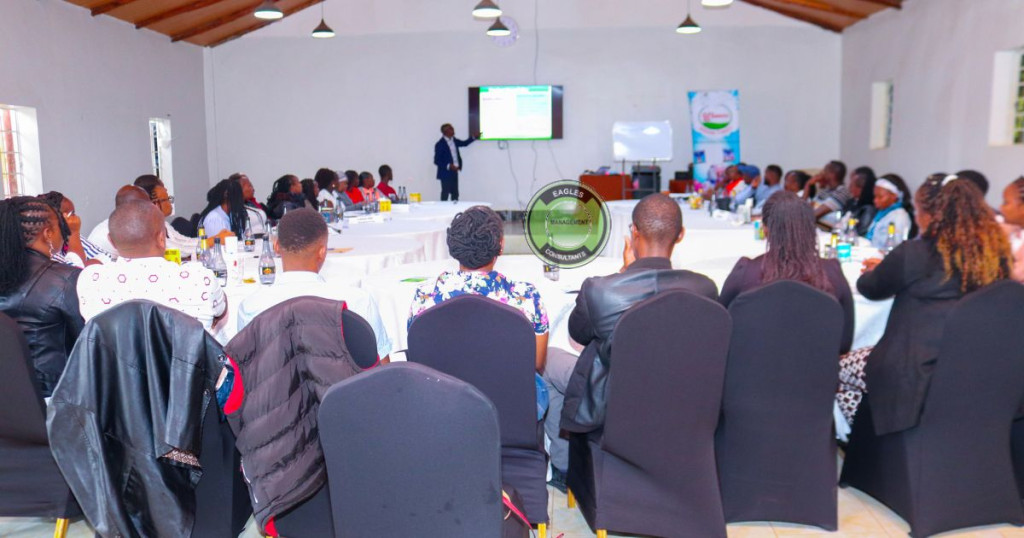
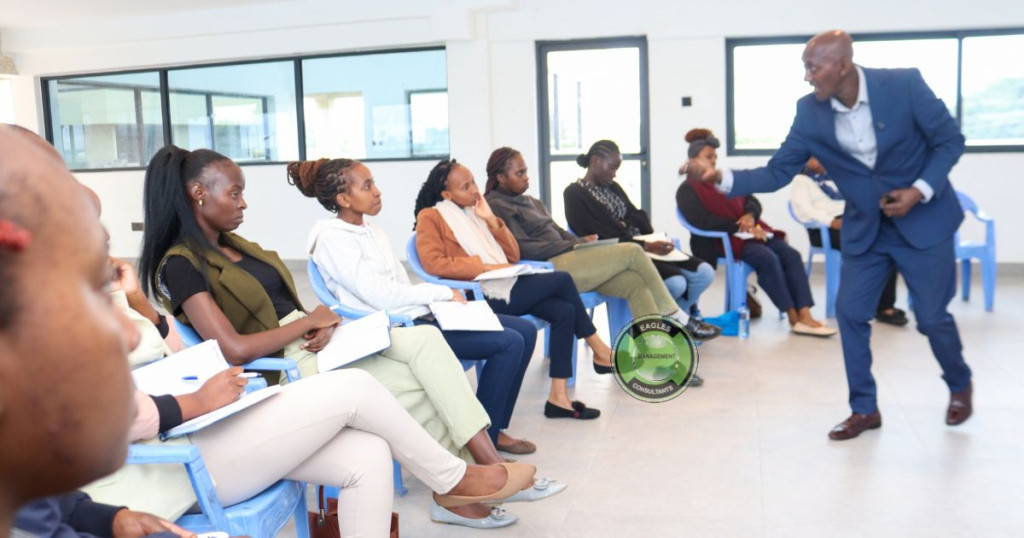
Primary Factors That Determine Staff Training Costs in Kenya.
To accurately project your employee development cost, you must look at the variables that training providers use to quote their services. Here are the core factors:
1. Training Customization.
One of the biggest drivers of the Cost of Staff Training in Kenya is the level of tailoring required. Off-the-shelf programs are pre-designed courses covering general topics like basic customer service or time management. Because the curriculum is already developed, these tend to be more budget-friendly.
On the other hand, bespoke or highly customized training requires the facilitator to conduct a thorough Training Needs Assessment (TNA) within your organization. They must study your company culture, analyze performance gaps and design modules that reflect your specific corporate reality. While this tailored approach commands a premium, it consistently delivers a higher ROI of employee training because the solutions are directly applicable to your daily operations.
2. Trainer Expertise and Consultant Pedigree.
The professional standing and experience level of the facilitator play a massive role in corporate training pricing models. A globally recognized industry expert with decades of corporate leadership experience will charge significantly more than a junior freelance trainer.
When working with top-tier corporate training providers in Kenya, such as www.eaglesconsultants.com, you are paying for more than just a speaker. You are investing in a consultant’s ability to shift mindsets, manage complex group dynamics and offer high-level strategic insights. Specialized technical skills—such as advanced financial modeling, cyber security protocols or executive leadership coaching—also attract higher fees compared to general soft skills training.
3. Mode of Delivery: In-House, Off-Site or Virtual.
Where and how the training happens heavily influences your overall staff training budget planning.
- Virtual Training: Conducting sessions via online platforms is often the most cost-effective route. It eliminates travel, venue and catering expenses, allowing the budget to focus purely on the facilitation fee.
- In-House Corporate Training: Having the consultant come to your boardroom is a highly popular option. You save on venue hire while enjoying the benefits of face-to-face interaction.
- Off-Site Corporate Retreats: Taking your team to a hotel or a lodge is fantastic for team building and focused learning away from office distractions. However, this is the most expensive delivery mode, as the Cost of Staff Training in Kenya must now absorb conferencing packages, meals, transport and accommodation.
4. Number of Participants.
How many employees are you looking to upskill? Corporate training fees in Kenya are frequently influenced by group size. Many HR training consultants Kenya rely on charge a flat day rate for a standard group (for example, up to 15 or 20 participants).
If the group exceeds the maximum threshold, the provider may charge an additional fee per extra head to cover the cost of extra materials and the increased effort required to manage a larger crowd. Alternatively, for massive rollouts across hundreds of employees, companies can often negotiate bulk discounts, lowering the per-capita employee development cost.
5. Duration and Intensity of the Program.
A two-hour motivational talk will naturally cost a fraction of a rigorous, five-day advanced management certification program. The total contact hours directly shape the final invoice. Furthermore, intensive programs that require post-training assessments, follow-up coaching sessions and detailed impact reports will reflect higher employee training costs. These long-term staff development programs Kenya businesses use are highly recommended for lasting behavioral change, even if they require a larger upfront investment.
Hidden Costs to Consider in Your Staff Training Budget Planning.
When evaluating the Cost of Staff Training in Kenya, it is a rookie mistake to only look at the facilitator’s fee. A comprehensive budget must account for indirect and hidden expenses.
- Venue and Conferencing Logistics: If you are hosting the event off-site, hotel conferencing rates (which usually include tea breaks, lunch and AV equipment) will take up a significant chunk of your budget.
- Training Materials and Certifications: Printed workbooks, branded folders, proprietary software licenses or internationally accredited certificates add to the baseline fees.
- Employee Downtime (Opportunity Cost): This is the invisible cost. When your staff is in a training room for three days, they are not producing immediate billable work or handling customer queries. While this is an investment in future productivity, this opportunity cost must be factored into your operational planning.
Popular Pricing Models Used by Corporate Training Companies in Kenya.
To make the best decisions, HR professionals must familiarize themselves with standard corporate training pricing models. When you request a proposal from www.eaglesconsultants.com or other top providers, you will typically encounter one of these structures:
- Per-Day / Per-Hour Rates: The consultant charges a fixed fee for their time, regardless of whether there are 5 or 15 people in the room. This is very common for in-house corporate training.
- Per-Participant Pricing: Common in public workshops and seminars where multiple companies send a few representatives. You pay a set fee for every ticket you purchase.
- Project-Based Retainers: Used for comprehensive, months-long staff development programs in Kenya. The fee encompasses the initial assessment, curriculum design, multiple delivery sessions and post-training evaluations into one lump sum.
In-House Corporate Training vs Outsourcing: Which is More Cost-Effective?
A frequent debate in staff training budget planning is whether to host an exclusive session or send employees to a public masterclass.
If you only have two or three employees who need to learn a new skill, paying for a public workshop is far more cost-effective. The Cost of Staff Training in Kenya in this scenario is shared among all the different participating companies.
However, if you need to train an entire department of 20 people on customer service, bringing an expert into your offices for in-house corporate training is vastly cheaper per head. Furthermore, an exclusive session allows the trainer to use your actual company data and real-life scenarios, maximizing relevance and confidentiality.
Maximizing the ROI of Employee Training.
Justifying the Cost of Staff Training in Kenya to the board of directors requires proving the Return on Investment (ROI). Training should never be a tick-box exercise; it must solve actual business problems.
To ensure your corporate training fees in Kenya yield positive returns:
-
Set Clear Objectives: Define what success looks like before the training begins. Is it a 10% increase in sales? A reduction in customer complaints?
-
Partner with the Right Experts: Work with proven corporate training providers in Kenya like www.eaglesconsultants.com who focus on actionable, practical skills rather than just academic theory.
-
Implement Post-Training Support: Learning fades without practice. Establish mentorship, refresher courses and accountability metrics to ensure the newly acquired skills become permanent workplace habits.
-
Measure Business Impact: Track the Key Performance Indicators (KPIs) that the training was meant to improve. When productivity spikes, the employee development cost pays for itself multiple times over.
Frequently Asked Questions (FAQs) on the Cost of Staff Training in Kenya.
1. What is the average Cost of Staff Training in Kenya?
Because training needs vary wildly, there is no single fixed figure. Costs depend on the trainer’s expertise, the duration of the course, customization levels and logistics. It is best to request a customized, obligation-free quote from www.eaglesconsultants.com to get accurate projections.
2. Are off-site training venues worth the extra cost?
Yes, if the strategic goal requires deep focus, team bonding or a complete break from office disruptions. However, if your budget is tight, organizing in-house corporate training is a highly effective alternative.
3. How do corporate training providers in Kenya charge for their services?
Most professionals use a per-day facilitation fee for private company groups or a per-participant fee for public open workshops and seminars.
4. Can we negotiate corporate training fees in Kenya?
Absolutely. Many HR training consultants in Kenya are willing to adjust their fees based on long-term contracts, bulk participant numbers or by modifying the delivery mode to better suit your budget constraints.
5. Is online staff training cheaper than face-to-face sessions?
Generally, yes. Virtual training eliminates travel, accommodation and venue hire costs, significantly reducing the overall employee development cost while still delivering great educational value.
6. Why do customized staff development programs in Kenya cost more?
Bespoke programs require the consultant to spend significant time researching your specific business operations, conducting needs assessments and creating exclusive tailored content, which naturally adds to the professional fees.
7. What is the hidden cost of employee training?
The most significant hidden cost is employee downtime—the hours or days your staff spend away from their regular income-generating duties. Minor hidden costs include printing, transport and unexpected venue levies.
8. How can small businesses afford the Cost of Staff Training in Kenya?
Small enterprises can leverage public workshops, online e-learning modules or partner with strategic experts like www.eaglesconsultants.com to design high-impact, short-duration intensive sessions that fit into smaller budgets.
9. Does the number of participants affect the total training fee?
Yes. While many trainers charge a flat day rate for a standard group size, exceeding that number usually attracts an extra per-head charge to cater for materials, assessments and enhanced crowd management.
10. How do I ensure a high ROI of employee training?
Ensure the curriculum aligns tightly with strategic company goals, choose highly reputable trainers and implement post-training evaluations and accountability measures to track genuine behavioral changes at work.
Conclusion: how much staff training costs.
Understanding the Cost of Staff Training in Kenya is the critical first step toward building a highly skilled, motivated and aggressively competitive workforce. By looking beyond the basic facilitation fees and considering essential factors like course customization, trainer expertise, delivery modes and hidden logistical expenses, HR professionals can master their staff training budget planning. Remember, employee development is not a sunken expense; it is a strategic investment that yields incredible bottom-line returns when executed correctly.
Whether you are looking for high-impact in-house corporate training, advanced leadership development or specialized team-building exercises, partnering with the right professionals makes all the difference. To get the absolute best value out of your corporate training fees in Kenya, reach out to the experts at www.eaglesconsultants.com today. Their customized, results-driven programs are intelligently designed to elevate your team’s performance while aligning perfectly with your organizational budget.