Skilled people do not always make a strong team. A company can hire talented staff and still struggle with poor communication, low morale and slow results. The fix is to grow both skills and relationships at the same time. That is the power of staff training and team building in Kenya. It gives your employees the tools to do their jobs well and the trust to work together. In this guide, you will learn the best programs, activities and planning steps. You will also see how www.eaglesconsultants.com can design a program that fits your company.
What Is Staff Training and Team Building?
Staff training teaches employees new skills, knowledge and habits that improve their work. Team building focuses on helping people trust each other, communicate clearly and work toward shared goals. Both are part of employee development programs, and both are most powerful when used together.
Here is a simple way to see the difference:
- Staff training: Builds what people can do. Examples include leadership, customer service and time management.
- Team building: Builds how people work together. Examples include trust games, group challenges and shared problem-solving.
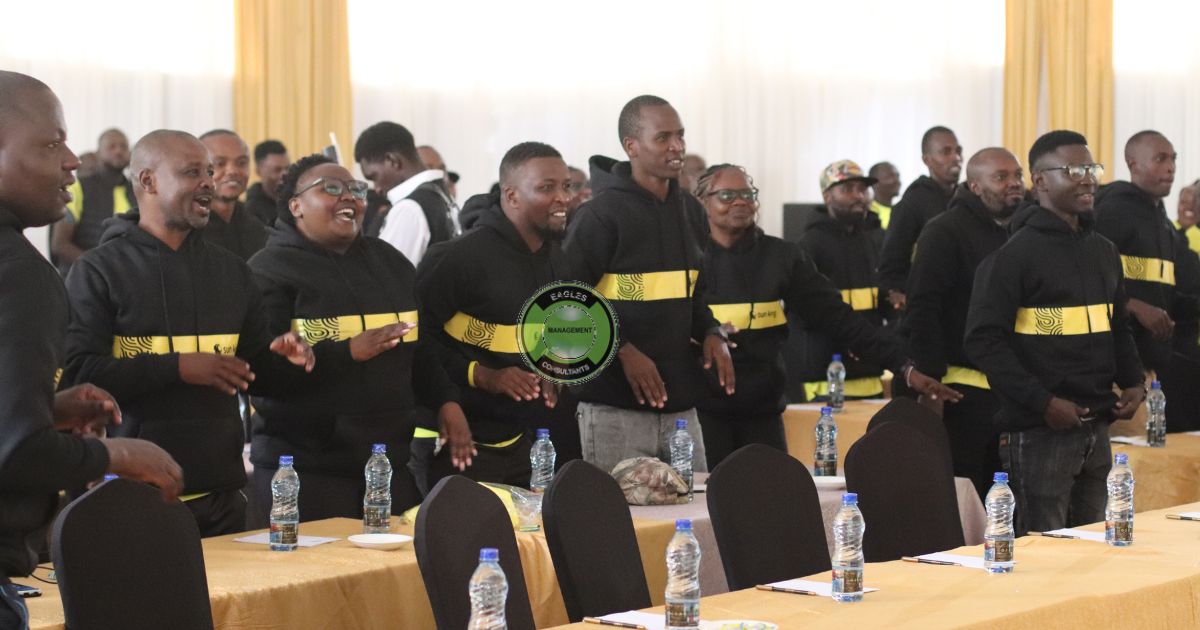
A strong employee development program mixes the two. Staff learn a skill in the morning and practise it in a team challenge in the afternoon. This makes lessons stick far better than a lecture alone. To see how combined programs work, visit www.eaglesconsultants.com.
Why Staff Training and Team Building in Kenya Matters.
Kenyan companies face real pressure. Competition is high, customers expect more and good staff are hard to keep. Investing in your people is one of the smartest ways to respond.
Here are the main benefits:
- Higher productivity: Trained staff work faster, make fewer errors and need less supervision.
- Better communication: Team activities break down walls between departments and levels.
- Improved morale: Staff feel valued when the company invests in their growth.
- Stronger leadership: Training builds confident managers and future leaders.
- Lower staff turnover: Employees stay longer in companies that help them grow.
- Better customer service: Skilled, motivated teams treat customers better.
- Stronger company culture: Shared learning creates shared values and pride.
In short, people who learn together and trust each other perform better together.
Types of Staff Training Programs in Kenya.
The right program depends on your goals and your team’s needs. Here are the most popular corporate training programs for Kenyan companies.
- Leadership and management training: Teaches managers to guide teams, give feedback, delegate and make good decisions.
- Communication skills training: Helps staff speak clearly, listen well and write professional messages.
- Customer service training: Builds skills for handling customers politely, solving complaints and creating loyalty.
- Emotional intelligence training: Helps staff manage stress, understand others and handle workplace conflict.
- Sales and negotiation training: Improves selling skills, client handling and closing deals.
- Time management and productivity training: Teaches planning, prioriticing and avoiding wasted effort.
- Onboarding and induction training: Helps new staff understand the company, its values and their roles.
- Workplace ethics and integrity training: Builds trust, honesty and responsible behaviour.
- Health, safety, and wellness training: Keeps staff safe and supports mental and physical wellbeing.
- Digital skills training: Builds comfort with tools, data and technology used at work.
Many companies choose three or four topics that match their top challenges. A good provider will help you find the right mix after a short needs check.
Team Building Programs in Kenya.
Team building programs come in many styles. The best choice depends on your group size, time, and goals.
1. Outdoor Team Building.
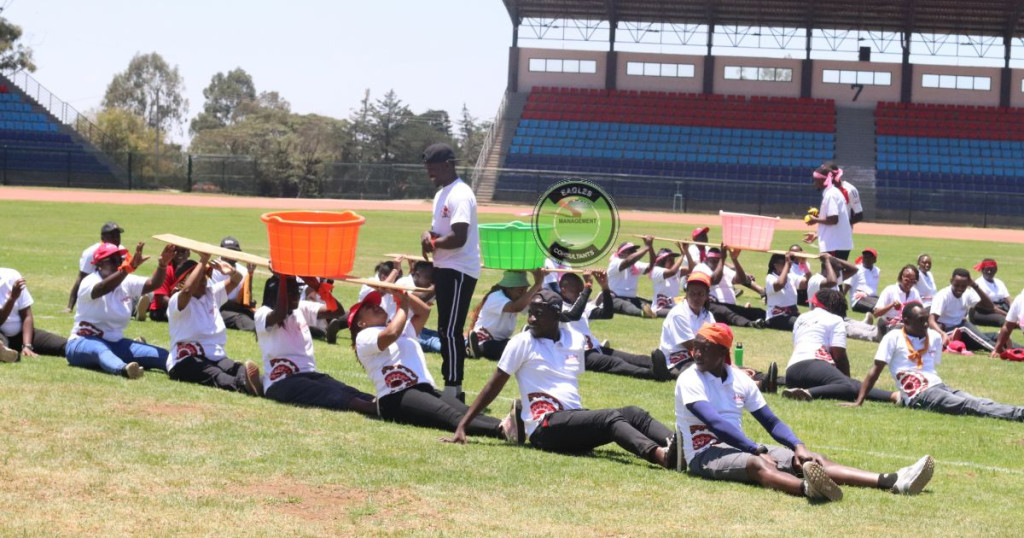
Outdoor programs use open spaces for energetic challenges. Popular activities include:
- Treasure hunts and amazing races.
- Obstacle courses and relay games.
- Tug of war and group sports.
- Nature walks and hikes.
- Bonfire evenings.
2. Indoor Team Building.
Indoor sessions work well in hotels and conference halls, especially when time is short or weather is a concern. Options include:
- Problem-solving puzzles and building tasks.
- Quiz nights and talent shows.
- Communication games and role plays.
- Cooking or creative challenges.
3. Team Building Retreats.
A retreat takes your team away from the office for one or more nights. It gives more time to learn, bond and relax. Retreats are ideal for annual planning, leadership programs and staff rewards. Popular destinations include Naivasha, Nanyuki, Nakuru, Machakos, Limuru, Mombasa, Diani and Masai Mara.
4. Virtual Team Building.
For teams spread across towns or working remotely, virtual sessions use online games, quizzes and group challenges. They are useful for regular touchpoints between in-person events.
How to Combine Staff Training and Team Building.
The best programs do not treat training and team building as separate events. They weave them together so each helps the other. Here is a simple model:
- Teach: Introduce a skill, such as active listening, in a short session.
- Practice: Use a game or challenge that requires that skill.
- Reflect: Discuss what worked, what failed and why.
- Apply: Link the lesson to real work situations.
- Follow up: Check progress after a few weeks.
For example, a communication workshop can be followed by a blindfolded trust walk. Staff feel what poor and clear instructions are like, and the lesson becomes personal and memorable.
Sample 2-Day Training and Team Building Program.
Day 1.
- Morning: Welcome, goals and ice-breakers
- Mid-morning: Leadership or communication workshop
- Afternoon: Outdoor team challenge linked to the morning lesson
- Evening: Dinner and relaxed social time
Day 2.
- Morning: Problem-solving session and group exercise.
- Late morning: Goal-setting and action planning.
- Midday: Lunch, certificates and closing remarks.
This plan can be shortened to one day or stretched to three, depending on your needs.
Building an Effective Employee Development Program.
A single workshop rarely changes a company. Lasting results come from a structured employee development program. Follow this simple framework:
- Find the gaps. Use surveys, manager feedback and performance data to see what skills are missing.
- Set clear goals. For example: improve customer ratings, reduce conflicts or prepare new managers.
- Choose the right methods. Mix workshops, coaching, team activities and on-the-job practice.
- Pick the right provider. Look for experience, strong facilitators and a custom approach.
- Deliver in stages. Spread learning over weeks or months, not one big day.
- Support managers. Managers should encourage staff to use new skills at work.
- Measure results. Track changes and share success stories.
Companies that follow this cycle often see steady growth in skills, culture and results.
Where to Hold Staff Training and Team Building in Kenya.
Venue choice shapes the mood and results of your program. Common choices include:
- Hotels and conference centres: Good for workshops with comfortable seating, screens and meals.
- Resorts and lodges: Ideal for retreats that mix learning, rest and activities.
- Outdoor parks and adventure venues: Best for energetic team challenges.
- Your own office or compound: Works for short sessions, but distractions are higher.
- Lakeside, hill and safari settings: Calm places that boost creativity and bonding.
When you pick a venue, check capacity, meeting space, outdoor areas for games, catering quality, accessibility and travel time. www.eaglesconsultants.com can recommend venues that suit your group and goals.
How to Choose the Best Staff Training and Team Building Provider.
Not all providers offer the same quality. Use this checklist when you compare options:
- Experience: A proven record with Kenyan companies of your size and industry.
- Qualified facilitators: Trainers who teach clearly and keep people engaged.
- Custom programs: Plans built for your goals, not a copy-and-paste package.
- Practical approach: Real exercises, case studies and activities, not just slides.
- Measurable outcomes: A clear way to check results.
- Safety standards: Proper equipment, first aid and risk planning for activities.
- Clear communication: Quick replies and a written plan.
- Good references: Feedback from past clients.
Ask for a short proposal and compare how each provider links activities to your goals.
How to Measure the Results of Staff Training and Team Building.
Good training should lead to visible change. Here are simple ways to measure results:
- Feedback forms: Ask staff right after the event what they learned and enjoyed.
- Manager observations: Check if managers see better teamwork and behaviour.
- Performance data: Look at sales, quality scores, speed or customer ratings.
- Staff surveys: Compare morale and engagement before and after.
- Retention rates: Track whether turnover improves over time.
- Follow-up sessions: Review progress after one to three months.
Measuring results helps you prove value and improve future programs.
Common Mistakes to Avoid.
- One-off training: A single event fades fast without follow-up.
- Wrong topic: Training that does not match real problems wastes time.
- Forcing attendance: People learn best when they feel included, not pushed.
- Ignoring managers: If leaders do not support the lessons, staff drop them.
- Too much talk, too little practice: Adults learn by doing.
- Poor planning: Late bookings, weak logistics and unclear goals hurt results.
- No budget plan: Decide early what you can invest and ask for a customized quote.
What Affects the Cost of Staff Training and Team Building?
Instead of fixed figures, here are the main factors that shape the cost of staff training and team building in Kenya:
- Number of staff: Bigger groups need more materials and facilitation.
- Program length: One day costs less than a multi-day retreat.
- Topics and facilitators: Specialised content and senior trainers influence cost.
- Venue and meals: Hotels, resorts and parks price differently.
- Transport and accommodation: Needed for off-site and overnight programs.
- Materials and extras: Workbooks, certificates, branded items and equipment.
Because each program is customized, the best step is to request a quote based on your exact needs at www.eaglesconsultants.com.
Best Time for Staff Training and Team Building in Kenya.
Companies run programs all year, but some times work better than others. The start of the year is great for goal-setting and leadership programs. Mid-year suits refresher training and morale boosts. The end of the year is popular for staff appreciation and reflection. The dry months, mainly January to March and June to October, are best for outdoor activities. Book early, because good facilitators and venues fill quickly.
Tips for a Successful Program.
- Set clear goals before you plan anything.
- Involve staff early by asking what skills they want to build.
- Mix learning with fun, so people stay interested.
- Keep groups mixed, so departments meet and connect.
- Leave time for rest and informal talk.
- Share results and next steps after the event.
- Repeat key lessons through short follow-up sessions.
Frequently Asked Questions About Staff Training and Team Building in Kenya.
1. What is staff training and team building in Kenya?
It is a set of programs that help employees build skills and work better together. Training improves what staff can do, while team building improves trust, communication and cooperation.
2. Why should companies invest in staff training and team building?
It raises productivity, improves morale, strengthens leadership, reduces staff turnover and improves customer service. Staff who feel supported tend to stay and perform better.
3. What staff training programs are most popular in Kenya?
Leadership, communication, customer service, emotional intelligence, sales, time management, onboarding, ethics, workplace safety and digital skills are among the most requested.
4. What are the best team building activities for staff?
Treasure hunts, amazing races, obstacle courses, trust walks, quiz nights, problem-solving puzzles, cooking challenges and campfire evenings work well for most groups.
5. Can we combine training and team building in one event?
Yes, and it is often the best approach. Staff learn a skill in a session, then practice it through a team challenge, which helps the lesson stick.
6. How long should a staff training and team building program be?
It can be a half-day, one day, two days or a multi-day retreat. The right length depends on your goals, budget and how much time staff can spare.
7. How much does staff training and team building cost?
The cost depends on staff numbers, program length, topics, venue, meals, transport and extras. Each plan is customized, so you can request a quote from www.eaglesconsultants.com.
8. Where can we hold staff training and team building in Kenya?
Options include hotels and conference centres, resorts, lodges, adventure parks and scenic retreat spots in places such as Naivasha, Nanyuki, Nakuru, Limuru and the coast.
9. How do we measure the results of staff training?
Use feedback forms, manager observations, performance data, staff surveys and retention rates. Follow-up sessions after a few weeks also show what has changed.
10. How do we book staff training and team building in Kenya?
Visit www.eaglesconsultants.com, share your team size, goals and preferred dates, and the team will prepare a plan and quote for you.
Conclusion.
Staff training and team building in Kenya is not an expense. It is an investment in the people who drive your business. Training gives your employees the skills to do their jobs well. Team building gives them the trust to work together. When both are done right, you get better communication, stronger leaders, happier staff and better results for your customers.
Do not wait for problems to grow. Start building a stronger team today with Eagles Consultants. Visit www.eaglesconsultants.com to get a custom program for your company and give your people the skills, confidence and unity to succeed.