
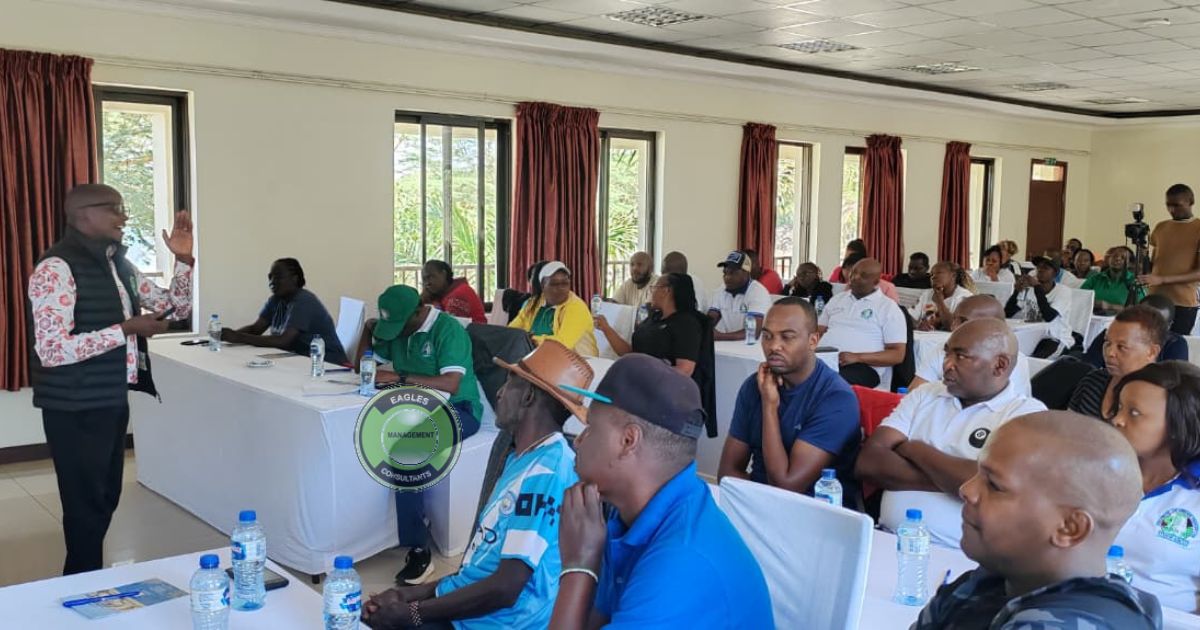
Every manager wants a skilled, motivated team. Few know what it will cost to build one. So, how much does corporate training cost in Kenya? The answer depends on your goals, your team size, the trainer and the format you choose. This guide explains each cost factor in simple words so you can plan a smart budget. For tailored programs, visit www.eaglesconsultants.com.
What Is Corporate Training and Why Do Kenyan Companies Invest in It?
Corporate training is a planned program that teaches employees the skills, knowledge and attitudes they need to perform better at work. It covers leadership, customer service, sales, communication, teamwork, safety, finance and many other areas.
Kenyan companies invest in staff training for clear reasons:
- To improve productivity and quality of work.
- To reduce staff turnover and keep top talent.
- To prepare future leaders from within the company.
- To meet industry and compliance standards.
- To improve customer satisfaction and increase sales.
When you understand the value, the cost of corporate training in Kenya becomes an investment rather than an expense.
How Much Does Corporate Training Cost in Kenya? The Short Answer.
Corporate training costs in Kenya vary widely. A one-day workshop for a small team costs far less than a multi-day leadership program for a large organisation. Because every company has different needs, most professional trainers give a custom quote after discussing your goals.
We have deliberately left out exact figures here because prices change over time and depend on how much the program is customised. What matters more is knowing what drives the price. Once you understand these drivers, you can compare quotes fairly and avoid overpaying.
8 Key Factors That Affect Corporate Training Cost in Kenya.
These are the main factors that decide your final training budget in Kenya.
- Type of training: A basic communication workshop usually costs less than a specialised program such as executive leadership, strategic management or technical certification.
- Number of participants: Most trainers price by group or by person. Larger groups often reduce the cost per employee.
- Duration: A half-day session, a full-day workshop and a week-long program have very different price levels.
- Trainer experience: Highly experienced facilitators and certified experts charge more than new trainers, but they often deliver better results.
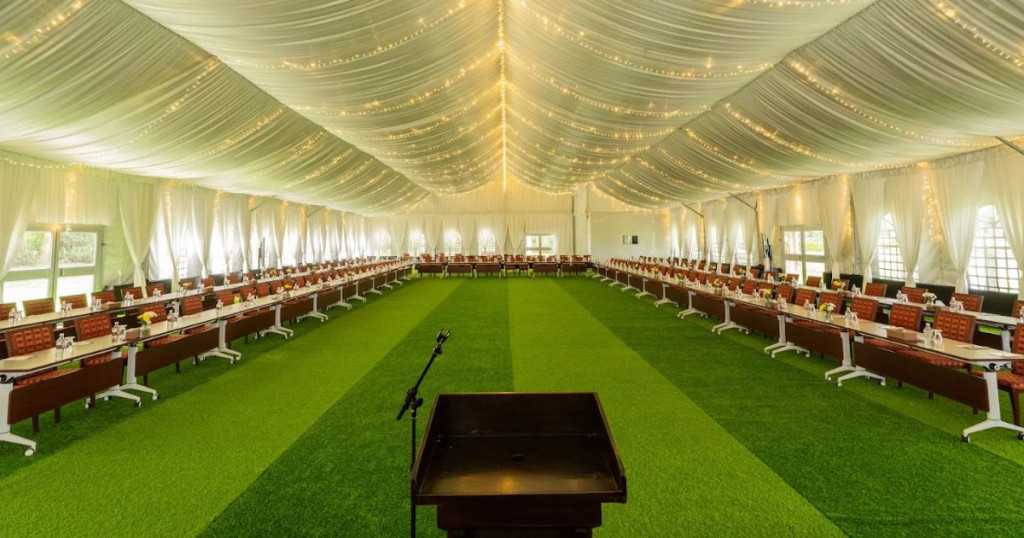
- Training location: Training at your office is often cheaper than hiring a hotel or conference venue. Resort venues in Nairobi, Mombasa or Naivasha cost more.
- Level of customisation: A ready-made course costs less than a program built around your company’s challenges.
- Training materials: Printed manuals, workbooks, certificates and online resources add to the total.
- Training format: In-person, online and blended programs each have different cost structures.
Common Pricing Models for Corporate Training in Kenya
Knowing how trainers charge helps you read quotes with confidence. Here are the most common models.
1. Per-Person Pricing
You pay a set amount for each participant. This works well for public workshops or when only a few employees need training.
2. Per-Day or Per-Session Pricing
The trainer charges a flat fee for each training day. This suits in-house training for a whole department or company.
3. Package or Program Pricing
You pay one price for a full program, such as a six-month leadership development plan. Packages often give better value than booking single sessions.
4. Retainer or Annual Contract
Some companies sign a long-term agreement with a training provider for regular sessions across the year. This can lower the cost per session and ensure steady staff development.
Cost of Different Types of Corporate Training in Kenya.
The kind of training you choose is one of the biggest budget drivers. Here is how the most popular programs compare in general terms.
1. Leadership and Management Training.
Leadership training is usually among the higher-cost programs. It often runs over several days or months and includes coaching, assessments and follow-up. The return is strong because better leaders improve the whole team.
2. Customer Service and Sales Training.
These programs are usually mid-range in cost. They are popular with banks, saccos, hotels, retailers and insurance firms because they raise customer satisfaction and revenue quickly.
3. Emotional Intelligence and Soft Skills Training.
Soft skills training covers communication, conflict management, emotional intelligence and time management. It is flexible and works for both small and large groups, so you can scale the cost to your budget.
4. Team Building Programs.
Team building activities can be indoor or outdoor and run for a few hours or several days. Cost depends on venue, activities, meals and transport. You can learn more about options on www.eaglesconsultants.com.
5. Compliance, Health and Safety Training.
These programs are often shorter and focus on legal requirements. Cost depends on whether certification is included.
6. Technical and ICT Training.
Technical courses such as data analysis, project management or software skills may need special tools or certified trainers. This can raise the total cost of staff training in Kenya.
In-House vs Public vs Online Corporate Training: Which Costs Less?
Choosing the right format can save a lot of money. Here is a simple comparison.
1. In-House Corporate Training.
A trainer comes to your office and delivers the program to your team. This is usually the most cost-effective option for groups because you avoid travel, accommodation and venue costs. It also allows full customisation to your company culture.
2. Public Corporate Training Workshops.
Your employees join participants from other companies at a shared venue. This suits small teams or single employees. It is useful for networking, but the cost per person can add up if you send many staff.
3. Online and Virtual Training.
Virtual training removes travel and venue costs, so it is often the cheapest format. It works well for teams in different towns. The trade-off is lower interaction compared to face-to-face sessions.
4. Blended Training.
Blended training mixes online lessons with in-person workshops. It balances cost and engagement and is growing in popularity among Kenyan employers.
Hidden Costs to Include in Your Corporate Training Budget.
Many companies only budget for the trainer’s fee and then get surprised. Remember to plan for these extra items:
- Venue hire: Conference rooms, hotel halls or outdoor spaces
- Meals and refreshments: Tea breaks, lunch and sometimes accommodation
- Transport: For staff and sometimes for the trainer
- Training materials: Notebooks, handouts, certificates and branded items
- Equipment: Projectors, sound systems and internet for online sessions
- Lost work time: Employees are away from their desks, which has a business cost
- Follow-up and coaching: Post-training support that helps skills stick
Including these items from the start gives you a realistic corporate training budget in Kenya.
How to Plan Your Corporate Training Budget in Kenya: Step by Step.
A clear process keeps spending under control and results high. Follow these steps.
- Identify training needs: Review performance reports, customer feedback and manager input to find real skill gaps.
- Set clear goals: Decide what success looks like, such as better sales, fewer complaints or stronger leadership.
- Choose priority programs: Start with the training that solves the biggest business problem.
- Decide on the format: Pick in-house, public, online or blended training based on your team size and location.
- Request quotes from several providers: Compare what is included, not just the total.
- Set aside a contingency: Add a small buffer for unexpected costs.
- Plan evaluation: Decide how you will measure results before the training starts.
Smart Ways to Reduce Corporate Training Costs in Kenya.
You can lower your spending without lowering quality. Try these practical tips.
- Train in groups: Group sessions reduce the cost per employee.
- Choose in-house training: You save on venue, travel and accommodation.
- Book early: Early planning gives you more options and better rates.
- Combine topics: Merge related topics into one program to reduce the number of training days.
- Use blended learning: Move theory online and keep workshops for practice.
- Build a long-term partnership: Regular clients often get better value from training providers.
- Train internal champions: Teach a few staff to coach others after the main program.
Kenyan employers may also be able to recover part of their approved training costs through the National Industrial Training Authority (NITA) levy. Confirm the current rules with NITA and your accountant. Cutting costs should never mean choosing an unqualified trainer, because poor training wastes both money and time.
How to Measure the Return on Corporate Training Investment.
Cost matters, but results matter more. To see if your investment paid off, track clear measures before and after the program.
- Performance: Compare productivity, sales or quality scores
- Customer feedback: Look at satisfaction ratings and complaint trends
- Staff retention: Check whether turnover drops after development programs
- Employee feedback: Collect simple surveys on confidence and skills gained
- Manager observation: Ask supervisors to note changes in behaviour at work
When training is linked to business goals, the value often exceeds the cost many times over.
How to Choose the Best Corporate Training Company in Kenya.
The cheapest quote is not always the best deal. Use this checklist when comparing corporate training companies in Kenya:
- Proven experience: Ask for years in practice and past client names.
- Qualified trainers: Check certifications, industry background and facilitation skills.
- Customised content: Make sure the program fits your industry and goals.
- Clear quotation: The quote should list exactly what is included.
- Practical approach: Look for activities, case studies and role plays, not just lectures.
- Post-training support: Good providers offer follow-up and progress reports.
- Client reviews: Positive feedback from other Kenyan companies builds trust.
Why Choose Eagles Consultants for Corporate Training in Kenya.
At Eagles Consultants, we design practical training programs that match your goals and your budget. We work with companies, saccos, schools, NGOs and county institutions across Kenya. Our programs cover leadership, customer service, emotional intelligence, motivation talks and team building.
We begin by understanding your needs, and then we give you a clear and honest quotation with no hidden surprises. Visit www.eaglesconsultants.com to request a free consultation and see how we can fit training into your budget.
Frequently Asked Questions (FAQs).
1. How much does corporate training cost in Kenya?
The cost depends on the training type, number of participants, duration, trainer experience and venue. Most providers give a custom quote after understanding your needs. Contact www.eaglesconsultants.com for a quotation that fits your team.
2. Why do corporate training prices differ between providers?
Prices differ because of trainer qualifications, program depth, customisation, materials and support after training. Always compare what is included, not just the final number.
3. Is in-house training cheaper than public training?
In-house training is usually cheaper for larger groups because you save on travel, venue and accommodation. Public workshops suit one or two employees.
4. How can small businesses afford corporate training in Kenya?
Small businesses can choose shorter workshops, online sessions or shared group programs. Starting with one high-impact topic also keeps costs manageable.
5. What is the average duration of a corporate training program?
Programs range from a few hours to several days. Leadership and technical programs can run for weeks or months with follow-up sessions.
6. Does the cost include materials and certificates?
It depends on the provider. Always ask whether manuals, handouts, certificates and refreshments are included in the quote.
7. How much should a company budget for staff training each year?
There is no fixed rule. Many companies set aside a share of their payroll or revenue and adjust it according to growth goals and skill gaps.
8. Can corporate training be customised for my industry?
Yes. Professional providers like Eagles Consultants tailor content to banks, saccos, schools, hospitals, hotels, NGOs and other sectors.
9. Is online corporate training effective?
Yes, especially for knowledge-based topics and teams in different locations. For skills such as teamwork and leadership, a blended approach often works best.
10. How do I get a quotation for corporate training?
Share your goals, team size, preferred dates and location with the provider. You can request a free consultation and quotation at www.eaglesconsultants.com.
Conclusion: Invest Wisely in Your Team’s Growth.
So, how much does corporate training cost in Kenya? The honest answer is that it depends on your needs. Training type, group size, trainer quality, venue and format all shape your final budget. The best approach is to define your goals, plan for hidden costs, compare quotes carefully and choose a provider who delivers measurable results.
Remember that skilled employees bring higher productivity, happier customers and stronger growth. Training is not a cost to avoid. It is one of the smartest investments a Kenyan business can make. Ready to build a high-performing team within your budget? Visit www.eaglesconsultants.com today and request your custom corporate training quotation.