
One rude reply can lose a customer you spent months winning. Your frontline team makes or breaks your brand every single day. That is why smart companies invest in Customer Care Training Courses in Nairobi to build staff who are polite, calm and confident. These courses teach your people how to listen, solve problems and leave every customer happy. With expert support from www.eaglesconsultants.com, you can build a team that customers love to deal with.
What Are Customer Care Training Courses?
Customer care training courses are short, practical programs that teach staff how to serve customers well. They cover communication, problem solving, patience and professional behaviour. The goal is simple. Every customer should feel heard, respected and helped.
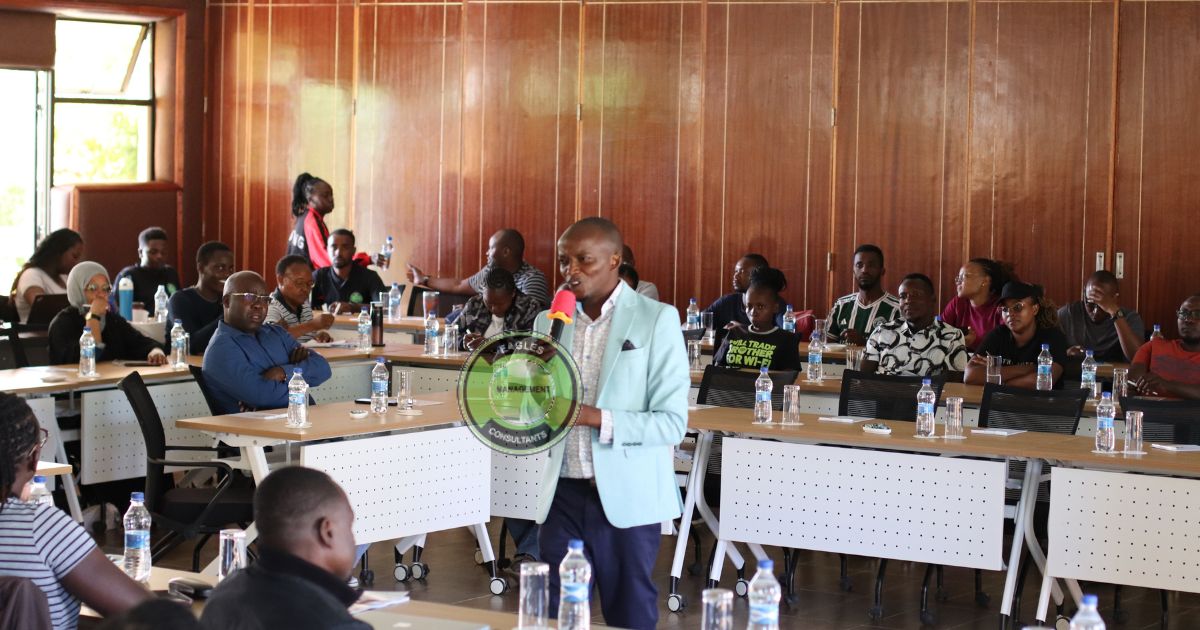
Most courses mix short lessons with real-life practice. Staff take part in role plays, group talks and case studies. This helps them use what they learn the very next day at work. You may also hear these programs called customer service training in Nairobi, customer experience training or frontline staff training. They all share one aim, which is to improve how your team treats people.
Why Frontline Staff Need Customer Care Training Courses in Nairobi.
Frontline staff are the first people a customer meets. They answer calls, greet visitors, handle complaints and close sales. If they do well, customers return and tell others. If they do badly, customers leave and share bad stories online.
Here is why customer care training for frontline staff matters:
- First impressions count. A warm greeting sets the tone for the whole visit.
- Customers have many choices. If you do not serve well, a competitor will.
- Complaints are everywhere. Staff need skills to handle them calmly.
- Social media spreads stories fast. One bad experience can reach thousands of people.
- Happy staff serve better. Training builds confidence and lowers stress.
When your team knows what to do and say, service becomes smooth and consistent.
Signs Your Team Needs Customer Care Training.
Not sure if it is time to train? Look out for these warning signs:
- Customers often complain about rude or slow service.
- Staff argue with clients or ignore them.
- Calls go unanswered or are handled poorly.
- The same mistakes happen again and again.
- Customers leave without buying or returning.
- Online reviews mention bad attitude.
- Staff feel stressed, tired or unsure how to handle hard cases.
If you see two or more of these signs, a training program can make a big difference. You can speak to the team at www.eaglesconsultants.com to find out which course fits your needs.
Best Customer Care Training Courses in Nairobi: Topics You Should Cover.
The best programs are practical and easy to apply. Below are the main topics that strong customer service training in Nairobi should include.
1. Customer Service Basics.
This is the foundation. Staff learn what good service looks like and why it matters. They also learn how to greet, listen and show respect to every customer.
2. Communication Skills.
Good communication includes clear speech, active listening and positive body language. Staff learn how to explain things in simple words and avoid misunderstandings.
3. Handling Difficult Customers.
This is one of the most requested topics. Staff learn how to stay calm when a customer is angry, how to listen without arguing and how to find a fair solution. This handling difficult customers training protects both your brand and your staff.
4. Complaint Handling and Service Recovery.
A complaint is a chance to win a customer back. Staff learn steps to say sorry, fix the problem and follow up. When done well, an unhappy customer can become a loyal one.
5. Telephone Etiquette Training.
Many customers still call first. Staff learn how to answer quickly, speak clearly, take messages and end calls politely. This skill is key for call centres, banks, hospitals and offices.
6. Email, Chat and Social Media Customer Care.
Customers now ask questions on email, WhatsApp and social media. Staff learn how to write clear, friendly and professional replies. They also learn how to respond fast without sounding cold.
7. Emotional Intelligence at Work.
Emotional intelligence helps staff manage their own feelings and understand others. It leads to better patience, empathy and teamwork.
8. Professional Image and Etiquette.
Dress, grooming, body language and manners shape how customers see your business. Staff learn how to look and act in a way that builds trust.
9. Product and Service Knowledge.
Customers expect staff to know what they sell. Training helps staff explain products clearly and give correct answers with confidence.
10. Teamwork and Service Culture.
Great service is a team effort. Staff learn how to support each other, pass customers along smoothly and keep a positive spirit at work.
11. Stress and Time Management.
Frontline work can be tiring. Staff learn how to manage pressure, avoid burnout and keep a good attitude through long days.
Who Should Attend Customer Care Training in Nairobi?
Any team that deals with customers can gain from training. Common groups include:
- Receptionists and front desk staff.
- Customer service officers and call centre agents.
- Bank tellers and relationship officers.
- Sacco and microfinance staff.
- Hospital and clinic staff.
- Hotel, restaurant and tourism teams.
- Retail and supermarket staff.
- Insurance and real estate teams.
- School and college administration teams.
- County and government service offices.
If you want to improve customer service training for banks and saccos or for any other sector, a good provider will tailor the examples to your industry.
Types of Customer Care Training Programs.
Companies in Nairobi can pick from different formats. Each has its own strengths.
- In-house training. The trainer comes to your office. This saves travel time and lets you use real company examples.
- Off-site training. Your staff attend at a hotel or conference venue in Nairobi. This removes office distractions and helps people focus.
- Public courses. Individuals or small groups join a shared class. This suits companies with only a few people to train.
- Online or hybrid training. Staff learn through live video sessions. It works well for teams in different locations.
- Half-day or one-day workshops. These are short and focused, ideal for busy teams.
- Multi-day programs. These go deeper and often include practice sessions and follow-up coaching.
The right choice depends on your team size, budget and goals. You can discuss your needs with www.eaglesconsultants.com to find the best fit.
Benefits of Customer Care Training for Your Business.
A good program does more than teach manners. It improves your whole business. Here is what you can expect:
- Happier customers. Better service builds trust and loyalty.
- More repeat business. Satisfied customers return and refer others.
- Fewer complaints. Staff solve problems before they grow.
- Stronger brand image. Your company becomes known for great service.
- Higher staff morale. Trained employees feel more confident and valued.
- Better teamwork. Everyone follows the same service standards.
- Increased sales. Good service often leads to more sales and upsells.
These results show why many companies see corporate customer service training in Kenya as an investment, not a cost.
How to Choose the Best Customer Care Training Provider in Nairobi.
Not all trainers are the same. Use this simple checklist before you decide.
- Check experience. Look for trainers who have worked with companies like yours.
- Ask about the content. The course should be practical, not just theory.
- Look for customisation. Your training should match your industry, staff level and challenges.
- Review the training style. Good sessions use role plays, group work and real examples.
- Ask for trainer profiles. Know who will lead the session and what they have done.
- Check for follow-up support. Some providers offer coaching or refresher sessions.
- Read feedback from other clients. Honest reviews show you what to expect.
- Confirm the schedule. Make sure the dates and hours fit your work calendar.
A provider who listens first and designs the program second is usually the best choice.
What a Good Customer Care Training Day Looks Like.
Here is a simple sample outline for a one-day program.
- Welcome and goals. The trainer explains the plan and sets clear targets.
- Customer service basics. Staff discuss what good service means in their work.
- Communication skills session. Short exercises build listening and speaking skills.
- Handling difficult customers. Role plays show how to stay calm and solve problems.
- Lunch and networking. Staff relax and share ideas.
- Phone and digital service skills. Staff practise calls, emails and chat replies.
- Team challenge. A fun group activity ends the day on a high note.
- Action plan and closing. Each person writes goals to use at work.
This mix of learning, practice and fun keeps people active and helps lessons stick.
How to Measure the Results of Customer Care Training.
Training should lead to real change. Here is how you can track progress:
- Customer satisfaction scores before and after training.
- Number and type of customer complaints.
- Speed of response to calls and messages.
- Mystery shopper or spot-check results.
- Repeat customer and referral rates.
- Staff feedback and confidence levels.
- Manager observations over the next few weeks.
Set targets before the training begins. Then review them one month and three months later. This shows what is working and what needs more attention.
What Affects the Cost of Customer Care Training in Nairobi?
Training costs depend on several factors, so it is best to ask for a custom quote. The main ones are:
- Number of staff attending.
- Length of the program.
- Choice of venue or in-house delivery.
- Topics and level of customization.
- Need for materials, certificates or follow-up coaching.
- Meals and refreshments, if included.
Because every company is different, prices change from one program to the next. A clear brief helps a provider give you a fair and accurate quote.
Why Choose Eagles Consultants for Customer Care Training.
Eagles Consultants works with companies and organisations to build stronger teams through training, motivation and development programs. The focus is on practical lessons that staff can use right away. Sessions are lively, easy to follow and built around your real work situations.
Here is what you can expect:
- Programs tailored to your industry and team.
- Friendly, experienced facilitators.
- Interactive sessions with role plays and real examples.
- Flexible delivery at your office or another venue.
- Clear action steps your team can use after training.
Visit www.eaglesconsultants.com to learn more and request a program for your staff.
Frequently Asked Questions Customer Care Training Courses in Nairobi.
1. What are customer care training courses?
They are practical programs that teach staff how to serve customers well. Topics include communication, complaint handling and professional behaviour.
2. Who should attend customer care training?
Anyone who deals with customers should attend. This includes receptionists, call centre agents, bank staff, retail teams, hospital staff and hotel workers.
3. How long does a customer care training course take?
Programs can run from a few hours to several days. Many companies choose a one-day or two-day workshop. The length depends on your goals and your team.
4. Can the training be done at our office in Nairobi?
Yes. In-house training is very popular because it saves time and uses your real work examples. Off-site and online options are also available.
5. What topics are covered in customer care training?
Common topics include communication skills, handling difficult customers, complaint handling, telephone etiquette, emotional intelligence and professional image.
6. How many staff can attend one session?
Group size depends on the trainer and the venue. Smaller groups give more practice time, while larger groups can still work well with good planning.
7. Is the training customized for our industry?
The best programs are. A good provider adjusts the examples and role plays for your sector, such as banking, health, retail or hospitality. Contact www.eaglesconsultants.com for a tailored plan.
8. How soon will we see results after training?
Many companies notice better attitude and communication within a few weeks. Strong results grow over time when managers follow up and support staff.
9. Do you offer refresher or follow-up training?
Many providers offer refresher sessions and coaching to keep skills fresh. It is smart to ask about this when you plan your program.
10. How can Eagles Consultants help our team?
Eagles Consultants designs and delivers practical training that fits your goals and staff needs. Send your request through www.eaglesconsultants.com to get started.
Conclusion.
Your customers do not remember your logo as much as they remember how your team made them feel. A friendly smile, a patient answer and a quick solution can win a customer for life. Customer Care Training Courses in Nairobi give your frontline staff the skills and confidence to deliver that kind of service every day. The result is happier customers, stronger sales and a brand that people trust.
Do not wait for complaints to pile up or customers to walk away. Start now, choose a practical program and support your team with the right training. Visit www.eaglesconsultants.com today and take the first step toward building a service team that truly stands out.