


A tired, stressed team cannot give your business its best work. That is why smart employers now invest in Corporate Wellness Training in Kenya. It builds healthier, happier and more productive teams. In this guide, you will learn the best wellness programs, their benefits and how to set them up. You can also get expert support from www.eaglesconsultants.com.
What Is Corporate Wellness Training in Kenya?
Corporate wellness training in Kenya is a planned set of sessions that teach employees how to look after their physical, mental, emotional and financial health. The sessions are usually led by trained facilitators, either at your office or at an offsite venue.
It is different from a one-time health day. Good workplace wellness training is regular and practical. It gives staff tools they can use every day, such as how to manage stress, sleep better, eat well and balance work with family life.
Many Kenyan companies now offer employee wellness programs as part of their staff development plan. These include banks, hospitals, schools, factories, saccos, NGOs and county governments. Partners like www.eaglesconsultants.com design programs that fit each organization.
Why Corporate Wellness Training in Kenya Matters Today.
Work in Kenya can be demanding. Long commutes in Nairobi, tight deadlines, rising living costs and constant phone notifications all add pressure. Over time, this pressure leads to burnout, absenteeism and poor performance.
Here is why more employers are investing in employee wellbeing programs:
- Rising workplace stress. Staff are carrying work and personal pressure at the same time.
- Higher health risks. Desk jobs and long hours increase the risk of lifestyle conditions such as high blood pressure and diabetes.
- Talent competition. Skilled workers prefer employers who care about their wellbeing.
- Legal duty. The Occupational Safety and Health Act places a duty on employers to protect the health and welfare of workers.
- Remote and hybrid work. Staff now need help with boundaries, isolation and screen fatigue.
When you ignore wellness, the cost shows up in sick leave, mistakes, low morale and staff turnover. When you invest in it, the results show up in performance.

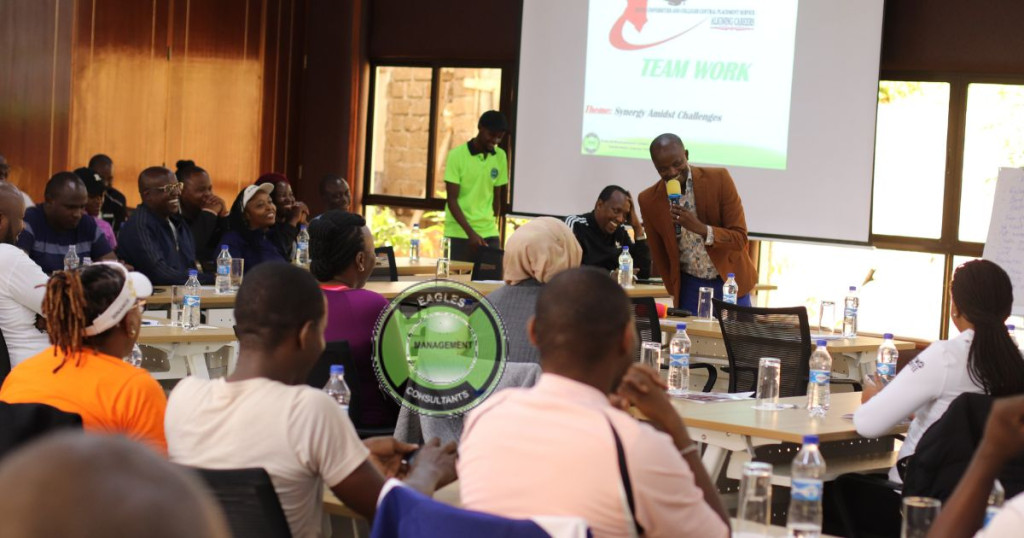
Key Benefits of Corporate Wellness Programs for Employees and Employers.
A strong corporate wellness program benefits everyone in the company. Here are the main gains.
Benefits for Employees.
- Less stress and a better mood.
- Better sleep, energy and physical fitness.
- Improved focus and decision making.
- Healthier eating and exercise habits.
- Stronger work-life balance.
- Better money habits and lower financial worry.
Benefits for Employers.
- Lower absenteeism and fewer sick days.
- Higher productivity and better quality of work.
- Stronger staff retention and loyalty.
- A positive workplace culture and employer brand.
- Better teamwork and communication.
- Lower health-related costs over time.
In short, workplace wellness training turns your people into your strongest advantage. To see how this can work for your team, visit www.eaglesconsultants.com.
Types of Corporate Wellness Training Programs in Kenya.
No single program fits every company. The best approach mixes several areas of wellness. Below are the most popular options in Kenya.
1. Mental Health and Stress Management Training.
This is now the most requested area. Sessions teach staff to spot early signs of stress, anxiety and burnout. They also teach calming techniques, healthy boundaries and how to ask for help. Managers learn how to support team members with care and respect. Many employers choose this as their starting point for mental health at work.
2. Physical Health and Fitness Programs.
These programs keep the body strong and active. They can include:
- Workplace fitness sessions and stretching breaks.
- Walking challenges and sports days.
- Health talks on blood pressure, diabetes and heart health.
- Medical check-ups and screening days.
- Posture and ergonomics training for desk workers.
3. Nutrition and Healthy Eating Workshops.
Many employees skip meals or rely on fast food during busy days. Nutrition workshops teach simple, affordable ways to eat well using local foods. They cover balanced meals, portion sizes, hydration and smart snacking.
4. Financial Wellness Training.
Money stress affects focus and health. Financial wellness workshops cover budgeting, saving, debt control, sacco and investment basics, and retirement planning. This topic is very popular with staff because it solves a daily worry.
5. Emotional Intelligence and Resilience Training.
These sessions help staff manage emotions, handle conflict and stay calm under pressure. They are especially useful for leaders and customer-facing teams. They also support better team communication.
6. Work-Life Balance and Time Management Training.
Staff learn to plan their day, set limits and protect rest time. This reduces overwork and improves output. It is a key part of any modern employee wellness program.
7. Wellness Team Building Activities.
Team building and wellness work well together. Outdoor games, hiking, relay challenges and group fitness build trust and reduce stress at the same time. Many companies add these to retreats and end-of-year events.
8. Substance Abuse and Lifestyle Awareness.
Awareness sessions on alcohol, drugs and unhealthy habits help staff get support early and without shame. Confidentiality and respect are very important here.
Eagles Consultants can combine any of these into one tailored package. Learn more at www.eaglesconsultants.com.
Who Needs Workplace Wellness Training in Kenya?
Every organization can gain from wellness training. However, some sectors feel the benefit most:
- Banks and financial institutions: high targets and customer pressure
- Hospitals and health facilities: long shifts and emotional strain
- Schools and colleges: heavy workloads for teachers and staff
- Manufacturing and logistics firms: physical demand and safety risks
- Hotels and tourism companies: irregular hours and service pressure
- Government offices and county departments: large teams and public demand
- NGOs and startups: fast pace and limited resources
Whether your team is in Nairobi, Mombasa, Nakuru, Kisumu or Eldoret, wellness training can be adapted to your location and your staff size.
How to Implement Corporate Wellness Training in Kenya: Step-by-Step.
A good plan makes the difference between a program that lasts and one that fades after a month. Follow these steps.
- Get leadership support. Wellness programs work best when managers and directors take part and lead by example.
- Find out what staff need. Use short surveys or focus groups. Ask about stress, health habits, workload and the topics people want covered.
- Set clear goals. Choose goals you can track, such as lower absenteeism, better morale or higher participation.
- Choose the right focus areas. Pick two or three priorities first, such as stress management, fitness and financial wellness.
- Select an experienced provider. Work with a trainer who understands Kenyan workplaces and can customize the content.
- Create a simple calendar. Plan monthly or quarterly sessions instead of one big event. Regular practice builds lasting habits.
- Communicate clearly. Tell staff what the program is, when it happens and how it helps them. Make it voluntary and friendly.
- Protect privacy. Keep personal health information private. Staff must feel safe to take part. Follow the Data Protection Act when handling any health data.
- Review and improve. Collect feedback after each session and adjust the plan.
If you want a ready plan, the team at www.eaglesconsultants.com can design and deliver the full program for you.
Common Challenges and How to Solve Them.
Even good programs face obstacles. Here is how to handle the most common ones.
- Low participation. Hold sessions during work hours, keep them short and make them fun.
- Stigma around mental health. Use open, respectful language and let leaders share their own experience.
- Limited budget. Start small with one or two high-impact topics, then grow. Many companies begin with a half-day workshop.
- Busy schedules. Offer flexible times, short sessions and online options.
- One-off events. Plan a full year of activities so that wellness becomes part of company culture.
How to Choose the Best Corporate Wellness Training Provider in Kenya.
The right partner shapes your results. Look for these qualities:
- Proven experience with corporate clients in Kenya.
- Qualified and friendly facilitators with real workplace knowledge.
- Customized programs instead of copy-and-paste content.
- A mix of topics, including mental, physical, emotional and financial wellness.
- Interactive methods such as group work, role plays and practical activities.
- Follow-up support and clear reports after training.
- Flexible delivery at your office, at a venue or online.
- Good references and positive client feedback.
Ask for a clear proposal that shows topics, duration, group size and expected outcomes. Pricing depends on your needs, so request a custom quotation rather than a fixed rate.
How to Measure the Success of Your Employee Wellness Program.
You should always track results so you can prove the value of your investment. Useful measures include:
- Attendance and participation rates.
- Staff satisfaction and feedback scores.
- Absenteeism and sick leave trends.
- Employee turnover and retention.
- Productivity and quality of work.
- Team morale and engagement surveys.
Review these numbers every quarter. If a topic is not working, change it. If staff love a session, repeat it.
Corporate Wellness Training and Team Building: A Powerful Combination.
Wellness is not only about the individual. A healthy team also needs trust, communication and fun. That is why many employers combine corporate wellness training with team building activities. Outdoor challenges, wellness retreats and group fitness sessions help colleagues bond and relax away from daily pressure.
Eagles Consultants offers both training and team building support, so you can plan one complete program.
Frequently Asked Questions About Corporate Wellness Training in Kenya.
1. What is corporate wellness training in Kenya?
It is a planned program that teaches employees how to protect their physical, mental, emotional and financial health. It is delivered through workshops, talks, activities and follow-up support.
2. Why is corporate wellness training important for Kenyan companies?
It reduces stress, lowers absenteeism and improves productivity. It also helps companies keep good staff and meet their duty to provide a safe and healthy workplace.
3. What topics are covered in a corporate wellness program?
Common topics include stress management, mental health awareness, nutrition, fitness, financial wellness, emotional intelligence, work-life balance and healthy lifestyle habits.
4. How long does a corporate wellness training session last?
Sessions can run from one hour to a full day. Many companies prefer half-day workshops or a series of short monthly sessions.
5. Can small businesses benefit from wellness training?
Yes. Small teams often feel stress more directly because each person carries a lot of work. Programs can be scaled to fit any team size and budget.
6. How much does corporate wellness training cost in Kenya?
The cost depends on the topics, group size, duration and venue. Because every program is customized, the best way to get an accurate figure is to request a quotation from www.eaglesconsultants.com.
7. Can wellness training be done at our office?
Yes. Training can be held at your workplace, at an offsite venue or online. Offsite sessions often give staff a better chance to relax and focus.
8. How often should a company run wellness programs?
Regular programs work best. Many organizations run quarterly workshops with small activities each month to keep the habits going.
9. How do I convince management to invest in employee wellness?
Show the link between wellness and results. Share data on absenteeism, turnover and morale, then propose a small pilot program with clear goals.
10. How do I book corporate wellness training in Kenya?
Contact the Eagles Consultants team through www.eaglesconsultants.com. Share your goals, team size and preferred dates, and they will prepare a program that fits your organization.
Conclusion: Invest in Healthy Teams for Lasting Business Success.
Your people are the heart of your business. When they are healthy, calm and motivated, your company grows faster and stronger. Corporate Wellness Training in Kenya is no longer a luxury. It is a smart business decision that improves productivity, reduces costs and builds a culture where employees want to stay.
Start small, stay consistent and choose a partner who understands the Kenyan workplace. Eagles Consultants is ready to help you design and deliver wellness programs that create real, measurable change.
Ready to build a healthier and more productive team? Visit www.eaglesconsultants.com today and book your corporate wellness training.