
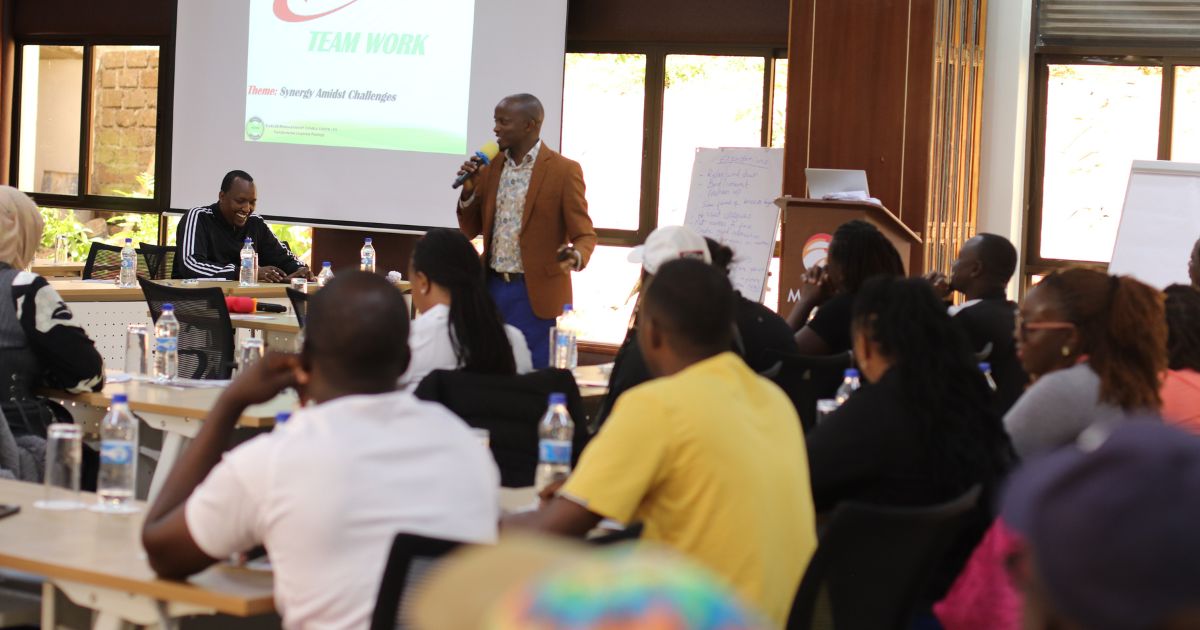
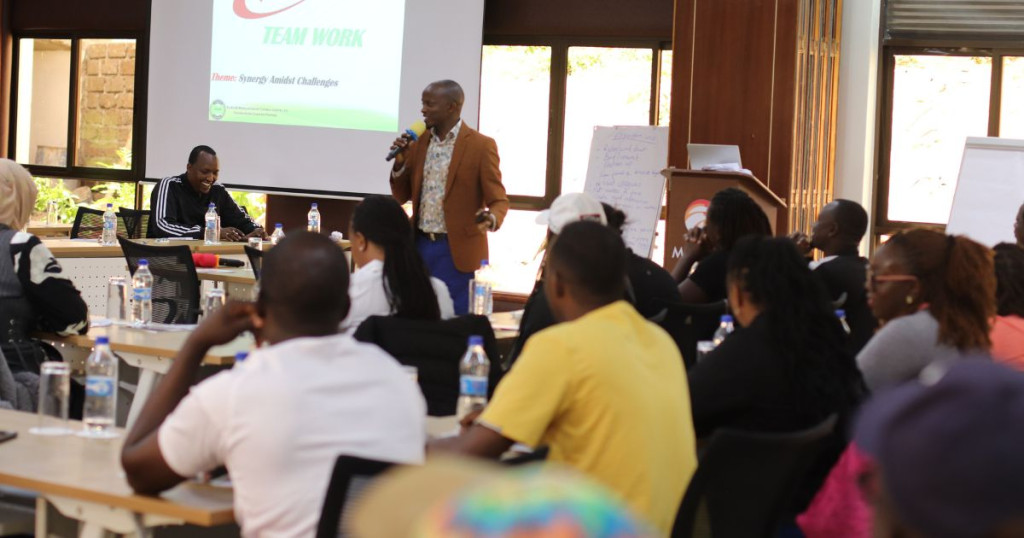
Strong leadership begins with effective governance. Therefore, Board Training in Kenya has become essential for organizations seeking accountability, transparency and long-term success. Whether in SACCOs, NGOs, companies, schools or cooperatives, board members need the right skills to make informed decisions and guide organizations effectively.
Organizations that invest in board development often achieve better governance outcomes. As a result, they improve strategic oversight, reduce risks and strengthen stakeholder confidence. Professional board training programs offered through www.eaglesconsultants.com help organizations build competent and responsible boards that can navigate today’s complex business environment.
Why Board Training in Kenya Matters.
Boards play a critical role in organizational success. However, many board members assume leadership positions without formal governance training. Consequently, this gap can lead to poor decision-making, compliance issues and governance failures.
Board training equips members with practical knowledge and skills. Furthermore, it helps them understand their responsibilities, legal obligations and strategic roles. Organizations that prioritize board development often experience improved leadership effectiveness and stronger organizational performance.
Key benefits include:
- Improved governance practices.
- Better strategic decision-making.
- Enhanced accountability and transparency.
- Stronger risk management.
- Improved regulatory compliance.
- Increased stakeholder trust.
- Better financial oversight.
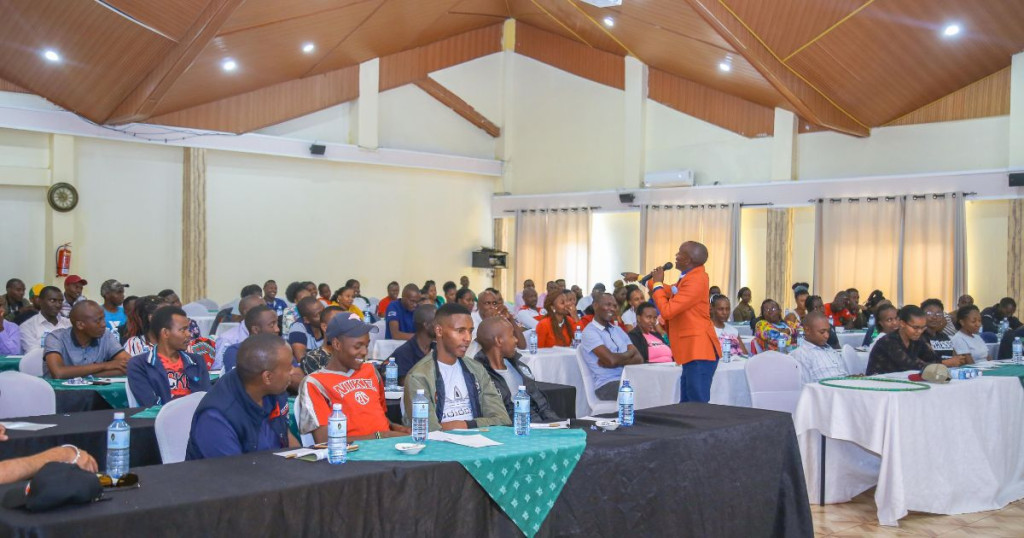
Key Areas Covered in Board Training Programs.
Comprehensive board training focuses on several critical governance areas. Moreover, these topics help board members perform their duties confidently and professionally.
1. Corporate Governance Principles.
Corporate governance forms the foundation of effective board leadership. Therefore, training programs cover governance frameworks, ethical leadership and accountability standards.
Board members learn how governance structures support organizational success. In addition, they gain practical insights into maintaining transparency and integrity in decision-making processes.
2. Roles and Responsibilities of Board Members.
Every board member must understand their duties clearly. Consequently, training programs explain fiduciary responsibilities, oversight functions and governance obligations.
Participants learn the difference between governance and management. As a result, they avoid operational interference while maintaining effective oversight.
3. Strategic Planning and Leadership.
Boards must provide strategic direction for their organizations. Therefore, board training includes strategic planning, vision development and performance monitoring.
Effective boards contribute to long-term organizational growth. Furthermore, they ensure that management aligns operations with strategic objectives.
4. Financial Oversight and Accountability.
Financial stewardship remains one of the most important board responsibilities. Accordingly, board members learn how to interpret financial statements and monitor organizational performance.
Training also covers budgeting, financial controls and audit processes. Consequently, board members become more effective in safeguarding organizational resources.
5. Risk Management and Compliance.
Organizations face various operational and regulatory risks. Therefore, boards must understand how to identify, assess and manage these risks effectively.
Board training programs provide practical risk management frameworks. In addition, they cover compliance requirements and governance best practices.
Organizations That Need Board Training in Kenya.
Board training benefits organizations across different sectors. Moreover, governance requirements continue to increase in both public and private institutions.
Organizations that benefit include:
- SACCOs.
- Non-Governmental Organizations (NGOs).
- Cooperatives.
- Companies and corporations.
- Educational institutions.
- Faith-based organizations.
- State corporations.
- Professional associations.
- Community-based organizations.
Regardless of size, every organization needs competent leadership. Therefore, investing in board development remains a strategic priority.
Characteristics of Effective and Accountable Boards.
Effective boards share several common qualities. Consequently, organizations should focus on developing these governance strengths.
1. Clear Strategic Vision.
Successful boards provide direction and ensure alignment with organizational goals. Furthermore, they focus on long-term sustainability rather than short-term gains.
2. Strong Ethical Standards
Integrity remains essential in governance. Therefore, board members must uphold ethical principles and promote accountability.
3. Active Participation.
Effective boards encourage engagement and informed discussions. As a result, decisions become more balanced and strategic.
4. Continuous Learning.
Governance environments continue to evolve. Therefore, board members should participate in regular training and professional development programs.
Benefits of Professional Board Training.
Professional board training delivers measurable value. Moreover, organizations often experience governance improvements shortly after implementation.
Some key advantages include:
- Improved board performance.
- Enhanced leadership effectiveness.
- Better decision-making processes.
- Reduced governance risks.
- Stronger compliance culture.
- Increased organizational credibility.
- Better stakeholder relationships.
Through expert-led programs available at www.eaglesconsultants.com, organizations can strengthen governance structures and improve leadership outcomes.
Choosing the Right Board Training Provider in Kenya.
Selecting the right training partner is important. Therefore, organizations should evaluate providers carefully before making a decision.
Consider the following factors:
- Governance expertise and experience.
- Industry-specific knowledge.
- Practical training approach.
- Customized training solutions.
- Proven track record.
- Qualified facilitators.
- Post-training support.
A reputable provider helps board members apply governance principles effectively. Consequently, organizations achieve sustainable improvements in leadership and accountability.
Conclusion: Board Training in Kenya.
Board Training in Kenya is a valuable investment for organizations seeking effective governance and accountability. Strong boards provide strategic leadership, improve oversight and promote sustainable growth. Furthermore, trained board members make better decisions and strengthen stakeholder confidence.
Organizations that prioritize governance development position themselves for long-term success. Therefore, professional board training should remain a key component of organizational leadership development. For expert governance solutions and board development programs, visit www.eaglesconsultants.com.
Frequently Asked Questions (FAQs).
1. What is Board Training in Kenya?
Board Training in Kenya is a professional development program that equips board members with governance, leadership, compliance and oversight skills.
2. Why is board training important?
Board training improves governance, accountability, strategic planning and decision-making while reducing organizational risks.
3. Who should attend board training programs?
Board chairpersons, directors, trustees, committee members and senior executives can benefit from board training.
4. How often should boards undergo training?
Organizations should conduct board training regularly to keep members updated on governance trends, regulations and best practices.
5. Where can organizations find professional board training in Kenya?
Organizations can access professional governance and board development programs through www.eaglesconsultants.com.
6. What topics are covered in board training?
Common topics include corporate governance, strategic leadership, risk management, financial oversight, compliance, ethics and board responsibilities.