

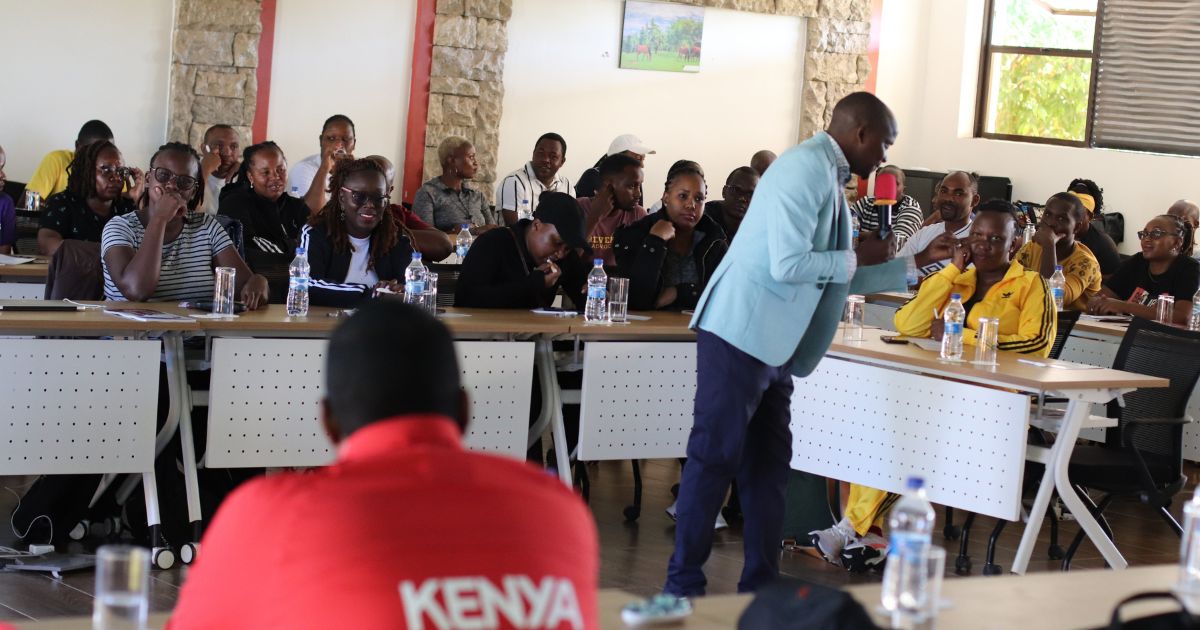
Every workplace has differences. When a group of people with unique backgrounds, personalities and goals work together, disagreements will naturally happen. In many companies across Nairobi, Mombasa and other growing business hubs, small misunderstandings often turn into major roadblocks. If left unchecked, these issues drain company energy and stall growth. This is exactly why smart organizations invest in professional Conflict Resolution Training in Kenya to protect their workplace culture and build stronger teams.
Unresolved issues do more than just cause tense moments in the breakroom. They lower employee productivity, damage trust and cause talented people to leave their jobs. However, dispute management is not about eliminating disagreements completely. Instead, it focuses on turning arguments into healthy discussions that spark creativity and growth. By choosing expert corporate training programs, your business can turn everyday tension into an advantage for your entire team.
Why Workplace Conflict Happens in Kenyan Organizations.
Workplace disagreements rarely happen without a reason. To fix an issue permanently, you must first understand what caused it. In the fast-paced Kenyan corporate sector, several distinct factors create daily tension among employees.
1. Poor Communication Channels.
Misunderstandings are the number one cause of office tension. When instructions are unclear or when managers fail to share updates properly, staff members start to guess what is expected of them. This guesswork leads to mistakes, missed deadlines and blame games between different departments.
2. Diverse Personalities and Work Styles.
Modern Kenyan offices bring together people from different generations, cultural backgrounds and professional disciplines. For example, a creative millennial employee might prefer a flexible, fast-paced work style. On the other hand, an experienced senior manager might value traditional, structured processes. When these two distinct styles clash without mutual respect, arguments happen.
3. Limited Resources and High Stress.
In a competitive economy, teams are often asked to achieve huge goals with tight budgets and limited tools. When employees have to fight over resources like office equipment, transport allowances or project budgets, it creates a highly competitive and stressful environment. This stress makes people lose their patience quickly.
4. Overlapping Roles and Unclear Duties.
When job descriptions are vague, employees often find themselves doing the exact same work or stepping on each other’s toes. This confusion creates territory battles, where staff members feel that their peers are either interfering with their responsibilities or not doing their fair share of the work.
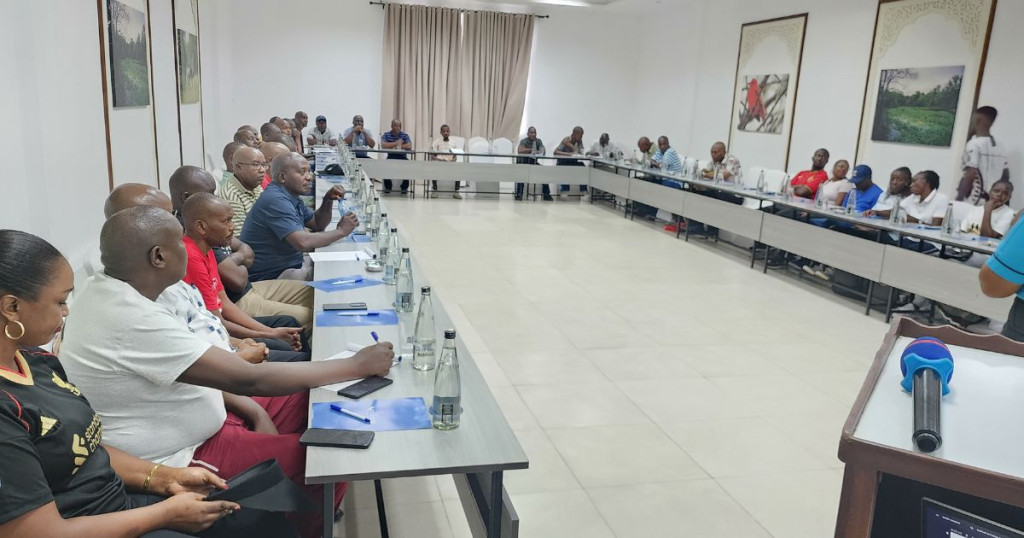
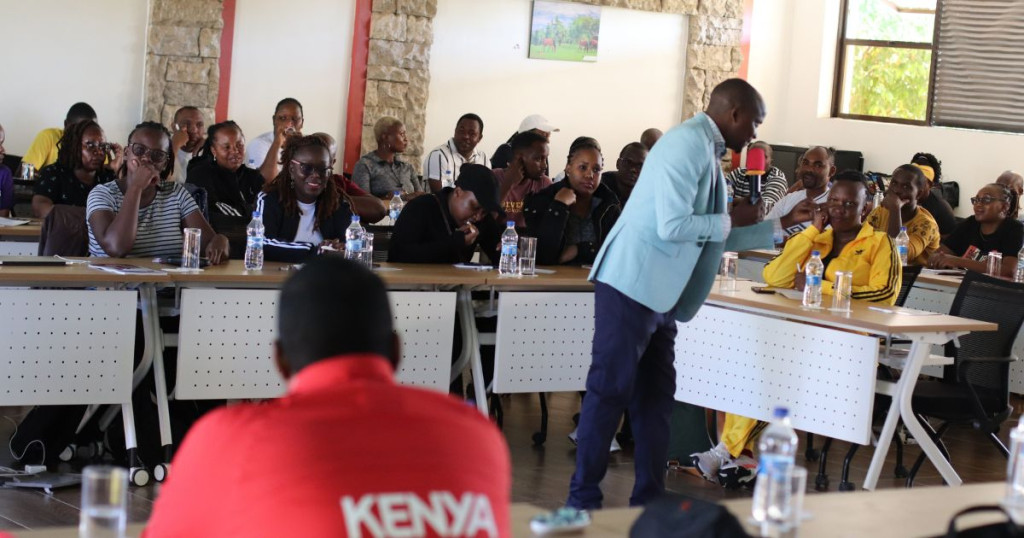
The True Cost of Unresolved Workplace Conflict.
Many business leaders view small arguments as minor issues that employees will eventually resolve on their own. This is a costly mistake. Ignoring office tension leads to severe financial and operational damage that hurts your company’s bottom line.
When a team is locked in constant arguments, everyday productivity drops significantly. Employees spend valuable working hours gossiping, worrying about office politics or actively avoiding their colleagues. Instead of focusing on serving clients or inventing new products, their mental energy goes into self-defense and frustration.
Furthermore, a toxic work environment directly drives up employee turnover. Top performers do not stay long in a chaotic office. When your best talent leaves, your company loses valuable institutional knowledge and faces high recruitment fees to find and train replacement staff.
To help you distinguish between the two paths your office can take, here is a direct comparison of how conflict style alters a team:
| Healthy Conflict. | Unhealthy Conflict. |
| Focuses on finding answers to business problems. | Focuses on personal attacks and blame. |
| Open and honest communication among all staff. | Hidden gossip and passive-aggressive actions. |
| Leads to better decisions and creative ideas. | Causes project delays and missed targets. |
| Builds stronger workplace relationships. | Destroys trust and creates office divisions. |
| Improves overall employee performance. | Results in high stress and employee turnover. |
What Exactly is Conflict Resolution Training in Kenya?
Professional training programs teach employees how to handle disagreements calmly, clearly and constructively. It moves teams away from shouting matches or silent treatments, guiding them toward cooperative solutions.
This type of workplace development focuses heavily on emotional intelligence, which means understanding your own feelings and the emotions of the people around you. It teaches workers how to pause before reacting, look at a situation from another person’s perspective and speak without blame or anger.
Additionally, these programs teach valuable corporate negotiation skills. Employees learn how to find middle ground where both sides win, rather than treating every disagreement as a battle to be won or lost. It turns a regular office from a group of competing individuals into a single, cohesive team.
True conflict resolution is not about making everyone agree on everything. It is about learning how to disagree with respect, so the business can keep moving forward smoothly.
Key Pillars of Effective Conflict Management.
A successful workplace dispute management strategy relies on several core skills. Professional corporate training workshops break these down into simple, daily actions that any employee can learn and practice.
-
Active Listening: This means listening carefully to understand the other person’s point of view, rather than just waiting for your turn to speak. It involves asking clarifying questions and confirming you understood their point before you reply.
-
Separating the Person from the Problem: It is vital to attack the business issue at hand instead of attacking the colleague’s personality. Keep discussions focused on facts, actions and outcomes rather than personal feelings.
-
Using “I” Statements: Instead of accusing a coworker by saying, “You always deliver your reports late,” training teaches staff to say, “I struggle to finish my work on time when I receive the weekly data late.” This simple shift prevents defensiveness.
-
Finding Shared Goals: Even when two employees disagree completely on a process, they usually want the exact same final result, such as a happy client or a successful project launch. Refocusing on that shared goal brings everyone back to the same side.
How Training Improves Team Performance and Business Success.
Investing in structured corporate workshops brings immediate, measurable benefits to your entire organization. When your staff knows how to handle differences professionally, your entire work environment transforms.
First, your team communication becomes much faster and cleaner. Because employees no longer fear disagreements, they speak up honestly about risks, share bold new ideas and give constructive feedback. This open environment boosts innovation and helps your company catch operational mistakes before they become costly disasters.
Second, your overall management and leadership capacity increases. Team leaders who complete these programs spend far less time playing referee between arguing staff members. Instead, they can focus their attention on strategic planning, employee motivation and growing corporate revenue.
Finally, it significantly improves customer service and client relationships. Internal office arguments quickly spill over and affect how your staff treats your customers. A happy, peaceful and aligned internal team automatically delivers warmer, faster and more professional service to your clients.
Choosing the Best Training Provider in Kenya.
To get real results that last, you need a training partner who understands the Kenyan corporate landscape. Generic, textbook courses rarely work because they fail to address real, practical office dynamics.
When looking for corporate training companies in Kenya, you should select a partner whose programs are fully NITA certified (National Industrial Training Authority). This certification ensures that the training meets high quality standards and allows your business to access training reimbursement benefits where applicable.
For top-tier results, look to Eagles Management Consultants. They provide highly practical, customized corporate training programs designed for real-world business challenges. Their expert facilitators use engaging, interactive workshops that make it easy for your staff to learn and apply these vital skills immediately.
To explore customized training packages that fit your company’s schedule and budget, visit www.eaglesconsultants.com today and take the first step toward a more unified workforce.
Frequently Asked Questions (FAQs) About Conflict Resolution Training in Kenya.
1. How long does a typical conflict resolution workshop take?
Most corporate training workshops last between one and three days, depending on your team’s size and specific needs. Short, intensive half-day sessions are also available for busy executive leaders.
2. Can conflict resolution skills be taught during outdoor team building?
Yes. Blending professional training with outdoor team building activities is highly effective. It allows employees to practice active listening and cooperative problem-solving through fun, real-world challenges.
3. Is conflict resolution training suitable for small businesses or just large corporates?
It is vital for organizations of all sizes. In small businesses, a single toxic relationship can quickly disrupt the entire workforce. Early training protects your culture as you scale.
4. What is the difference between conflict management and mediation?
Conflict management teaches individuals daily skills to handle their own minor disputes. Mediation is a formal process where an independent third party steps in to help two sides settle a major disagreement.
5. How can we measure the success of this corporate training?
You can track success through higher employee productivity scores, lower staff turnover rates, fewer formal HR complaints and positive feedback on internal staff satisfaction surveys.
6. Are the training programs offered by Eagles Consultants NITA certified?
Yes. For certified corporate training options and leadership development courses that meet national professional standards, you can view the complete directory at www.eaglesconsultants.com.
7. Should managers and junior staff attend the same training session?
It depends on your goals. Joint sessions are excellent for breaking down office barriers and improving trust. However, separate sessions allow managers to focus deeply on leadership-specific intervention strategies.
8. How do we handle an employee who refuses to change their toxic behavior after training?
Training gives employees the tools and clarity to improve. If an individual consistently refuses to use those tools and continues to disrupt the team, management should transition to formal HR disciplinary processes.
9. Can Conflict Resolution Training in Kenya help reduce stress and improve mental wellness at work?
Unresolved office tension is a leading cause of workplace anxiety. Teaching your team how to settle disputes clearly and calmly lowers overall office stress and builds a healthier work environment.
10. How often should a company conduct Conflict Resolution Training in Kenya?
Ideally, companies should run refresher courses or advanced communication workshops every 12 to 18 months. This keeps the skills fresh and ensures new team members align with your corporate culture.
Take the Next Step Towards Conflict Resolution Training in Kenya.
Do not wait for a minor misunderstanding to grow into a major corporate crisis. Protecting your company culture requires deliberate action and professional guidance. By giving your workforce the practical tools they need to communicate clearly and manage differences with respect, you protect your business productivity and build an environment where everyone can thrive.
Ready to transform your company culture and maximize employee performance? Contact the expert team at Eagles Management Consultants today. Explore their wide range of professional development courses, leadership programs and customized staff workshops by visiting www.eaglesconsultants.com right now.