
Are you struggling to bridge the skills gap in your organization and prepare your employees for future leadership roles? In today’s fast-paced business environment, continuous employee development is the ultimate key to sustainable success. Investing in top-tier Corporate Training Courses in Kenya is a proven strategy to enhance workforce productivity, improve staff retention and build a resilient workplace culture. As a human resource manager or corporate executive, finding the right programs tailored to your organizational needs can be a daunting task. However, by partnering with professional industry experts at www.eaglesconsultants.com, you can seamlessly access customized, NITA-accredited workshops designed to transform your workforce into a high-performing powerhouse.
Why Corporate Training is Essential for Modern Businesses.
Every HR professional understands that hiring top talent is only the first step. Keeping that talent engaged, motivated and aligned with the company’s strategic vision requires continuous investment in professional development. Modern workplaces are constantly evolving, and businesses need agile teams that can adapt to new challenges.
- Improves Employee Retention: Employees rarely leave bad companies; they leave bad managers and stagnant environments. Offering clear pathways for career growth through structured learning shows your staff that you value their future.
- Enhances Workplace Productivity: When employees learn new, efficient ways to execute their daily tasks, overall operational efficiency skyrockets. Proper training eliminates guesswork and reduces costly errors.
- Builds Strong Leadership Pipelines: Organizations that invest in leadership development training never have to worry about leadership vacuums. You can groom your next generation of executives from within your current workforce.
- Reduces Workplace Conflicts: Through proper employee relations training and emotional intelligence workshops, teams learn how to communicate effectively, significantly reducing HR interventions and departmental friction.

Top Corporate Training Courses in Kenya Every HR Manager Should Consider.
When planning your annual training calendar, it is vital to focus on programs that deliver a tangible return on investment (ROI). Here are the most impactful management training courses in Kenya that guarantee results.
1. Leadership and Executive Management Programs.
Leadership development is at the core of organizational growth. These programs are designed for senior managers, department heads and corporate executives who dictate the strategic direction of the company.
- What it Covers: Strategic thinking, advanced decision-making, leading through change and executive communication.
- The Business Impact: It equips leaders with the confidence to navigate economic uncertainties and drive the company toward its long-term objectives. Confident leaders inspire their teams naturally, fostering a culture of excellence and high performance.
2. Supervisory Skills Training in Kenya.
Promoting your best-performing employee does not automatically guarantee you will get an excellent manager. A technical expert excels at doing the work, but a supervisor must excel at getting the work done through others. This transition is where most new managers fail.
- What it Covers: Delegation techniques, time management, active listening, conflict resolution and performance management.
- The Business Impact: It bridges the gap between being a team player and becoming a team leader. Supervisors learn how to manage former peers respectfully, establish authority without being autocratic and handle the burden of accountability. You can book tailored supervisory programs at www.eaglesconsultants.com to ensure your newly promoted managers thrive.
3. Human Resource Management Training.
The HR department is the engine that keeps the workforce running smoothly. HR training programs in Kenya are not just for HR beginners; they are crucial for seasoned professionals who need to stay updated on shifting labor laws and modern talent acquisition strategies.
- What it Covers: Recruitment and selection strategies, employee performance evaluations, workplace policy management and navigating Kenyan labor laws.
- The Business Impact: A well-trained HR team ensures the company remains fully compliant with legal standards, protecting the organization from costly legal disputes. Furthermore, advanced HR skills lead to better hiring decisions, reducing staff turnover rates.
4. Project Management Courses.
In today’s project-driven economy, delivering assignments on time and within budget is a critical success factor. Project management training is highly beneficial for team leaders, operational managers and technical specialists.
- What it Covers: Project planning, budget management, risk assessment, team coordination and project monitoring.
- The Business Impact: It teaches teams how to break down massive organizational goals into actionable, measurable tasks. This leads to faster project turnaround times, minimized resource wastage and higher client satisfaction.
5. Customer Service and Strategic Sales Training.
Your front-line staff and sales teams are the face of your company. Excellent customer service is the most effective marketing strategy in a highly competitive market.
- What it Covers: Effective customer communication, handling difficult clients, emotional intelligence in sales and customer retention strategies.
- The Business Impact: Organizations with well-trained customer service teams experience stronger brand reputation, increased customer loyalty and ultimately, higher sales revenue.
6. Finance and Budgeting for Non-Finance Managers.
A common challenge in large organizations is that department heads often manage massive budgets without fully understanding the financial implications of their decisions.
- What it Covers: Reading financial statements, managing departmental budgets, cost-benefit analysis and understanding profit margins.
- The Business Impact: This training ensures that every leader in your company makes cost-effective, data-driven decisions that protect the financial health of the business.
The Mechanics of Delivering Effective Corporate Training.
As an HR manager, identifying the skills gap is only half the battle. Delivering the training effectively is what guarantees knowledge retention and practical application. Different organizations have different operational structures, so flexibility in delivery is vital.
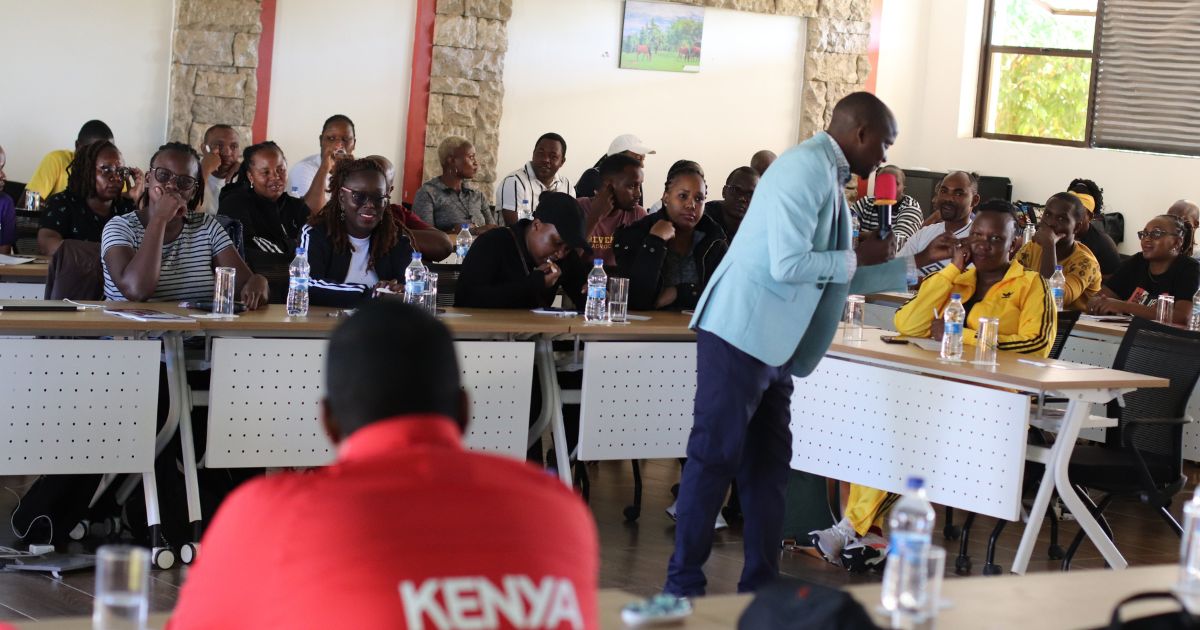
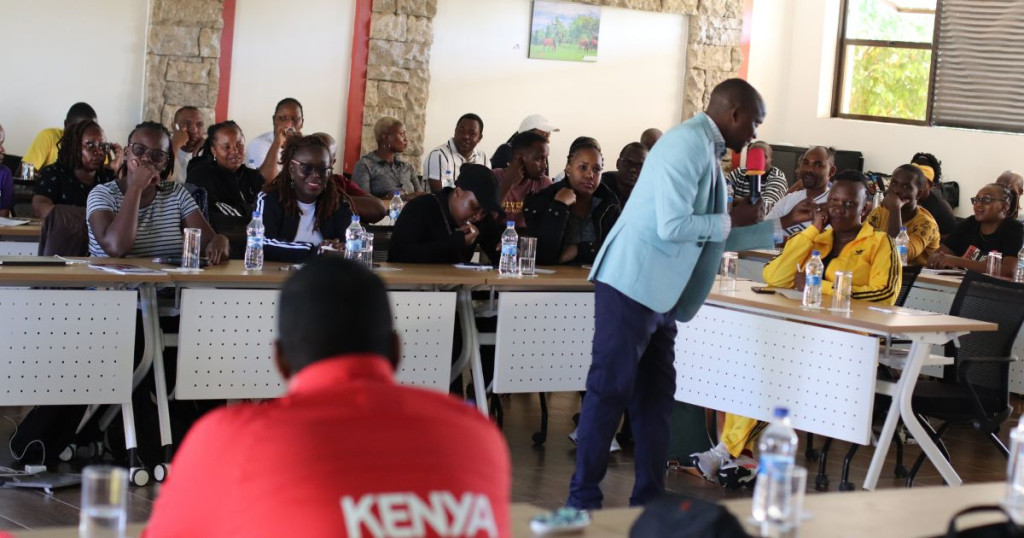
- Intensive Boot Camps (Off-Site): Taking your team away from the office for a two to three-day immersive workshop removes daily workplace distractions. This allows for deep focus, interactive group exercises and personalized attention from the facilitators.
- In-House Customized Workshops: For large companies, bringing the trainers to your premises is highly efficient and cost-effective. The biggest advantage here is customization; facilitators can tailor the entire curriculum to address specific challenges unique to your company.
- Virtual Learning and Hybrid Models: In the modern era, virtual training platforms offer flexibility for companies with remote teams or branch offices spread across the country.
How to Choose the Best Corporate Training Providers in Kenya.
The training industry is vast, and not all facilitators deliver the same quality of results. To ensure maximum ROI, you must carefully vet the consultants you hire. Here is the ultimate checklist for selecting the best training partners.
- NITA Accreditation: The National Industrial Training Authority (NITA) regulates industrial training in Kenya. Always ensure your corporate trainer is NITA-certified. This guarantees the curriculum meets national standards and registered employers can apply for training levy refunds.
- Experienced Local Facilitators: Look for training firms that utilize facilitators with deep, practical experience in the Kenyan corporate sector. Theoretical knowledge is good, but practical insights into the local business landscape are invaluable.
- Customization Capabilities: Avoid generic, one-size-fits-all training packages. The best providers will conduct a pre-training needs assessment to understand your unique organizational challenges before designing the course.
- Post-Training Support: Learning does not stop when the workshop ends. Top-tier consultants provide post-training evaluation, follow-up sessions and actionable reports for management. For all these features and more, trust the industry leaders by visiting www.eaglesconsultants.com.
Actionable Steps for HR Managers Post-Training.
To ensure the skills acquired during corporate training courses in Kenya are actually implemented in the workplace, HR managers must take deliberate actions post-training.
- Set Measurable Goals: Work with department heads to set specific KPIs that align with the training received. For example, after customer service training, track the reduction in customer complaints.
- Encourage Knowledge Sharing: Ask employees who attended the workshop to present key takeaways to the rest of their team. This reinforces their learning and benefits those who could not attend.
- Provide Continuous Feedback: Do not wait for annual performance reviews. Schedule regular one-on-one meetings to discuss how the new skills are being applied and offer guidance where employees are struggling.
Conclusion: Corporate Training Courses in Kenya.
Building a resilient, high-performing workforce requires a deliberate and strategic commitment to continuous learning. The right Corporate Training Courses in Kenya will empower your employees, streamline your operations and foster a positive workplace culture where innovation thrives. From equipping first-time supervisors with essential leadership tools to ensuring your HR department remains compliant with shifting labor laws, professional training is the catalyst for long-term business growth.
Do not let skills gaps hold your organization back. Partner with seasoned experts who understand the nuances of the local market. Visit www.eaglesconsultants.com today to explore highly customized, NITA-accredited corporate training solutions that will elevate your team to the next level.
10 Frequently Asked Questions (FAQs) on Corporate Training Courses in Kenya.
1. What are the most requested Corporate Training Courses in Kenya?
The most popular programs include Supervisory Skills Training, Leadership Development, Human Resource Management, Customer Service Excellence and Project Management. You can find comprehensive details on these courses at www.eaglesconsultants.com.
2. Why is NITA accreditation important for corporate training?
NITA (National Industrial Training Authority) accreditation ensures the training meets national quality standards. Additionally, NITA-registered employers can claim reimbursements for training costs incurred when they use accredited facilitators.
3. How long do corporate training workshops typically last?
The duration varies based on the course depth and organizational needs. Short, intensive boot camps usually run for 2 to 3 days, while long-term certification programs can span several weeks.
4. Can management training courses in Kenya be customized for our specific industry?
Absolutely. Leading HR consultants tailor their curriculum to address the specific operational challenges and objectives of your industry. Discuss your customization needs with the experts at www.eaglesconsultants.com.
5. Who should attend supervisory skills training?
This training is essential for newly promoted supervisors, team leaders, shift managers and any front-line employee being groomed for a future management position. It helps them transition smoothly from technical experts to people leaders.
6. Do corporate trainers offer in-house sessions for large teams?
Yes, in-house training is highly recommended for large groups. It is cost-effective and allows the facilitator to focus entirely on your company’s internal dynamics. Reach out to www.eaglesconsultants.com to schedule an in-house workshop.
7. How does HR training benefit a company’s bottom line?
Proper HR training improves recruitment processes, ensures compliance with labor laws, reduces costly staff turnover and minimizes workplace conflicts, all of which directly protect and enhance the company’s profitability.
8. How can we measure the success of a corporate training program?
Success can be measured through specific KPIs such as increased sales, reduced customer complaints, faster project turnaround times, lower employee turnover and positive post-training assessments.
9. Are soft skills as important as technical skills in corporate training?
Yes, soft skills like emotional intelligence, active listening and conflict resolution are crucial. They dictate how well employees collaborate, lead teams and manage workplace stress.
10. Where can I book the best corporate training services in Kenya?
For premium, NITA-accredited, and highly engaging training programs facilitated by industry experts, visit www.eaglesconsultants.com. They offer a wide range of solutions designed to drive organizational excellence.