
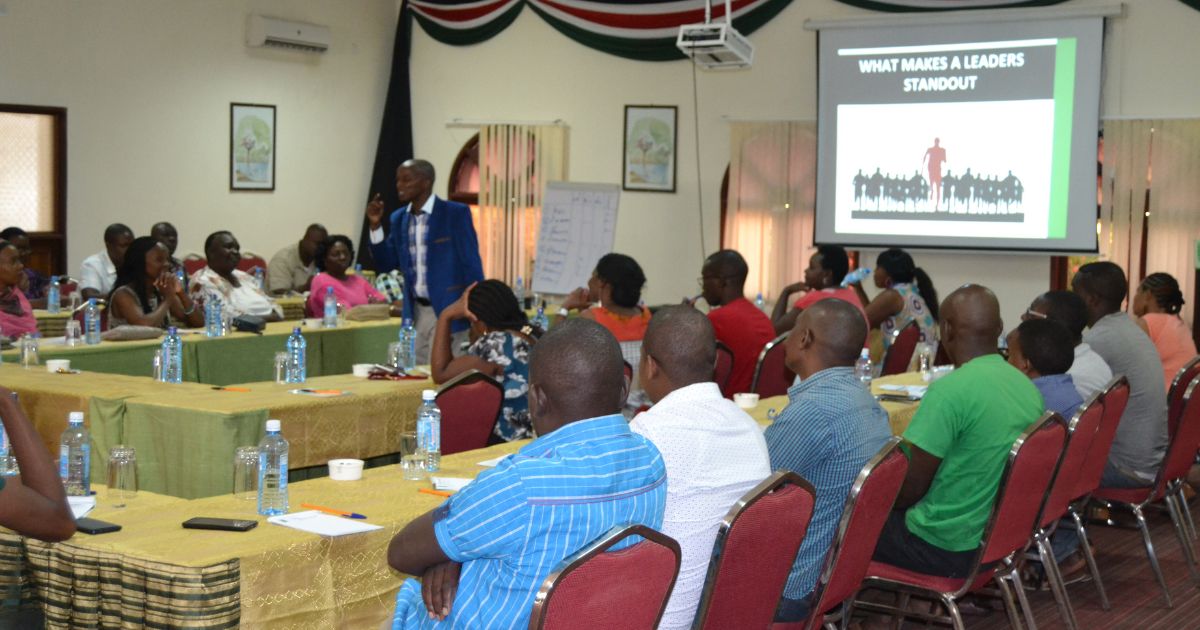
Are your employees struggling to keep up with industry changes, or is your business facing a dip in overall productivity? Equipping your workforce with the right competencies is no longer a luxury; it is a necessity for survival. Investing in high-quality Employee Training in Kenya is the most effective way to close performance gaps, motivate your team and build a resilient business. When you provide structured learning opportunities, you transform ordinary workers into innovative thinkers and dedicated leaders. For organizations looking to achieve measurable results, partnering with top-tier professionals at www.eaglesconsultants.com ensures your team receives world-class, customized capacity-building solutions.
The Value of Employee Training in Kenya for Corporate Growth.
The modern corporate landscape in business hubs like Nairobi, Mombasa and Kisumu is incredibly competitive. To maintain an edge, companies must continuously invest in workforce upskilling. Implementing a robust training culture yields several undeniable benefits for both the employer and the employees.
1. Drastically Improves Employee Retention.
High staff turnover drains company resources. Recruiting, interviewing, and onboarding new staff members consumes valuable time and money. Modern professionals actively seek workplaces that care about their career progression. When you invest in staff training and development in Kenya, employees feel valued and are far less likely to leave for competitors.
2. Enhances Workplace Productivity and Efficiency.
A well-trained employee requires less supervision, makes fewer mistakes and completes tasks faster. Regular training sharpens their existing abilities and introduces them to new, time-saving methodologies. Ultimately, consistent employee performance management translates directly into a healthier bottom line for your business.
3. Builds a Strong Leadership Pipeline.
Every growing business will eventually need new managers and department heads. Instead of hiring externally, organizations that prioritize leadership development programs in Kenya can identify and groom internal talent. Promoting from within ensures that your new leaders already understand your company culture and operations.
4. Cultivates a Culture of Innovation.
Exposing your team to the latest industry trends, technologies and problem-solving techniques sparks creativity. When employees learn how other successful organizations operate, they bring fresh, innovative ideas back to their own desks.
Strategic Workforce Upskilling: Best Methods for Delivery.
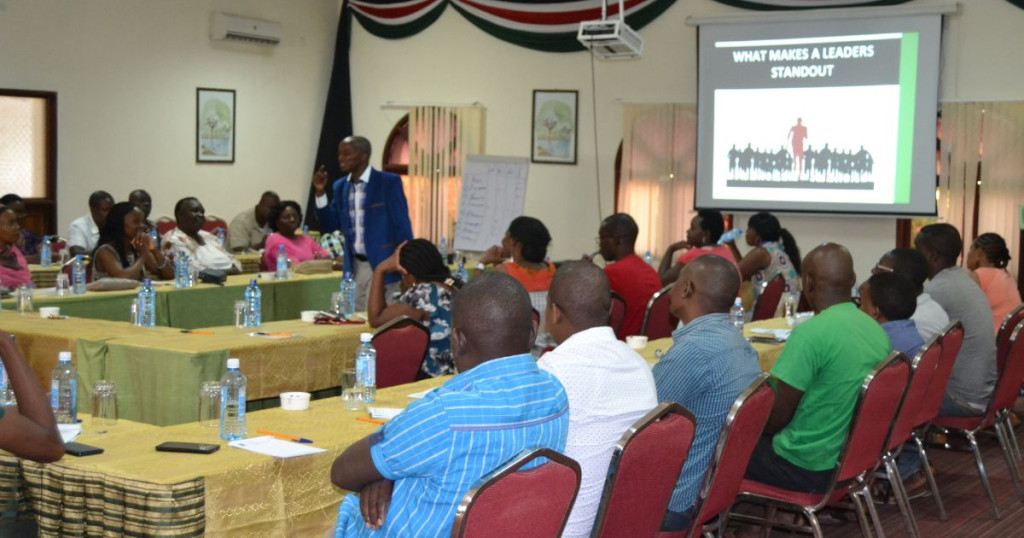
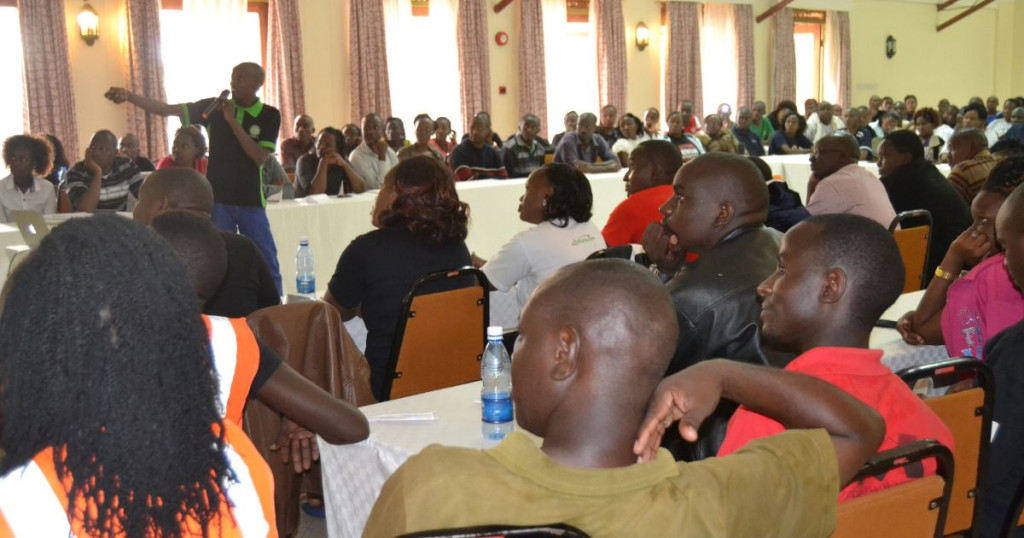
Different organizations have different learning needs, and a “one-size-fits-all” approach rarely works. The best corporate training companies in Kenya offer flexible delivery methods to suit your specific operational schedule and budget.
1. In-House Customized Workshops.
For large corporations or businesses with distinct internal challenges, bringing facilitators directly to your office is highly convenient. HR consulting firms in Kenya can tailor the entire curriculum to address your company’s specific goals. In-house training allows employees to learn in their natural environment, making it easier to apply new concepts immediately.
2. Off-Site Immersive Retreats.
Taking your team away from the daily distractions of the office is incredibly powerful. Venues in serene locations like Naivasha, Nanyuki or Machakos allow for deep focus. Off-site staff training providers in Nairobi often blend technical classroom learning with outdoor team-building exercises, fostering stronger interpersonal relationships among staff.
3. Virtual and Hybrid Learning Platforms.
With the rise of remote and hybrid work models, digital learning has become a staple. Virtual training sessions allow facilitators to deliver high-impact material to employees scattered across different branches or counties. This method significantly cuts down on travel and accommodation logistics while still delivering excellent educational value.
Conducting an Employee Skill Gap Analysis Before Training.
Before booking any workshop, it is vital to understand exactly where your team is falling short. Guessing what your employees need to learn leads to wasted resources. A thorough employee skill gap analysis ensures that your training budget is spent on courses that will actually move the needle.
A professional skills audit involves evaluating current employee performance against the desired business goals. Are your sales dropping because of poor negotiation skills or is it a lack of product knowledge? Are customer complaints rising due to slow response times or poor communication? Identifying these specific pain points allows training facilitators to design highly targeted interventions.
Top Corporate Training Programs to Prioritize in Kenya.
To build a well-rounded, highly functional team, human resource managers should focus on a mix of soft skills and technical competencies. Here are the most impactful training categories to consider:
1. Customer Service Excellence Training.
In Kenya’s service-driven economy, exceptional customer care is your biggest competitive advantage. Customer service training equips your frontline staff with the emotional intelligence needed to handle difficult clients, manage complaints gracefully and communicate with genuine empathy.
2. Leadership and Executive Management Courses.
Transitioning from a technical worker to a people manager is a massive leap. Leadership development programs in Kenya focus on teaching new managers how to delegate tasks, resolve workplace conflicts, inspire their subordinates and make strategic, data-driven decisions.
3. Sales and Marketing Strategy Workshops.
Revenue generation is the lifeblood of any company. Specialized sales training programs in Nairobi help your commercial teams refine their pitching techniques, understand modern consumer psychology, close deals faster and utilize digital marketing tools to capture a wider audience.
4. Effective Communication and Interpersonal Skills.
A diverse workplace is a strength, but it requires excellent communication to function smoothly. Training in this area helps break down departmental silos, encourages active listening and ensures that company-wide directives are understood and executed properly by all staff members.
The Importance of NITA Approved Training Institutions in Kenya.
When selecting a partner for your workforce development, accreditation is crucial. Engaging NITA approved training institutions in Kenya (National Industrial Training Authority) provides a layer of quality assurance and financial benefit to your organization.
By law, registered employers in Kenya contribute to the NITA training levy. When you utilize accredited corporate training companies in Kenya, your business can claim reimbursements for the costs incurred during the training. This makes continuous employee development highly cost-effective and budget-friendly for both large enterprises and growing SMEs. Furthermore, NITA accreditation guarantees that the curriculum meets national quality standards and that the facilitators are verified industry experts.
To ensure your business remains compliant while benefiting from top-tier professional development, always verify the accreditation status of your HR consulting firms in Kenya before signing a contract.
How to Choose the Best Staff Training Providers in Nairobi.
With numerous consultants in the market, finding the right fit for your organization requires careful evaluation. Look for the following traits when sourcing a training partner:
- Proven Industry Experience: The provider should have a track record of successfully training companies within your specific sector, whether that is banking, hospitality, manufacturing or healthcare.
- Customization Capabilities: Avoid consultants who offer rigid, generic presentations. The best providers will want to learn about your unique corporate culture and tailor their content accordingly.
- Post-Training Evaluation: Learning should not stop when the workshop ends. Top HR consulting firms in Kenya will offer post-training assessments to measure behavioral changes and ensure the new skills are actually being applied in the workplace.
- Interactive Delivery: Adult learners disengage quickly during boring, lecture-style seminars. Ensure the facilitators use practical case studies, group discussions and role-playing exercises to keep the sessions highly engaging.
For a partner that checks all these boxes and delivers measurable ROI, www.eaglesconsultants.com stands out as a premier choice for organizational development.
10 Frequently Asked Questions (FAQs) on Employee Training in Kenya.
1. Why is Employee Training in Kenya so important for small businesses?
Even small businesses need highly skilled workers to compete with larger corporations. Training improves efficiency, reduces costly errors and empowers a small team to handle multiple, complex tasks effectively.
2. How do I know which skills my employees need to learn?
You should conduct an employee skill gap analysis. This involves reviewing performance appraisals, identifying recurring operational bottlenecks and surveying management to pinpoint exactly where staff are struggling.
3. What are the benefits of using NITA approved training institutions in Kenya?
Using NITA-approved providers ensures high-quality instruction and allows registered, contributing employers to claim back a portion of the training costs, making the exercise highly cost-effective.
4. How long do corporate training courses usually take?
The duration is highly flexible. Depending on the complexity of the subject, it can range from a half-day intensive workshop to a comprehensive 3-day off-site retreat, or even a multi-week virtual coaching program.
5. Where can I find reliable HR consulting firms in Kenya for staff development?
For highly engaging, practical and accredited capacity-building programs, you can visit www.eaglesconsultants.com. They specialize in tailoring programs to fit your specific business needs.
6. Is off-site training better than in-house training?
Both have distinct advantages. In-house training is convenient and budget-friendly for large groups. Off-site training is excellent for removing daily workplace distractions and combining technical learning with team-building activities.
7. What is covered in leadership development programs in Kenya?
These programs typically cover emotional intelligence, conflict resolution, strategic planning, effective delegation and performance management to prepare individuals for supervisory roles.
8. Can staff training improve customer retention?
Absolutely. By investing in customer service excellence training, your staff learns how to handle inquiries efficiently and empathetically, leading to higher customer satisfaction and loyalty.
9. How can we measure the success of a training program?
Success is measured through post-training assessments, observing changes in daily workplace behavior, tracking improvements in productivity metrics and monitoring employee retention rates.
10. How often should a company conduct staff training?
Continuous learning is best. While major comprehensive workshops can be held annually or bi-annually, smaller micro-learning sessions or virtual refresher courses should be integrated continuously throughout the year.
Conclusion: Employee Training in Kenya.
In a rapidly evolving business environment, standing still is the equivalent of moving backward. Prioritizing Employee Training in Kenya is the single most effective way to future-proof your organization. By conducting a thorough skill gap analysis and delivering targeted, interactive learning experiences, you empower your workforce to innovate, lead and execute tasks with precision.
Remember, an investment in your staff is a direct investment in your company’s success, profitability and longevity. Do not wait for your competitors to outpace you. Take proactive steps today to build a confident, capable and highly motivated team. To explore customized, high-impact capacity-building programs that drive real corporate results, visit www.eaglesconsultants.com and book a consultation with industry-leading experts.