
Keeping top-tier talent aligned with rapidly evolving market demands is a major hurdle for modern corporate organizations. Investing in structured In-House Training in Kenya allows businesses to upscale employee competencies directly within their familiar work environment. Partnering with professional corporate development experts like www.eaglesconsultants.com equips your workforce with customized, practical skills designed to solve real-world operational challenges and drive immediate business performance.
What is In-House Training?
In-house training refers to customized learning and professional development courses conducted exclusively for employees of a single organization. Unlike open public seminars where participants come from different companies and industries, in-house sessions focus entirely on your specific organizational culture, internal systems and performance goals.
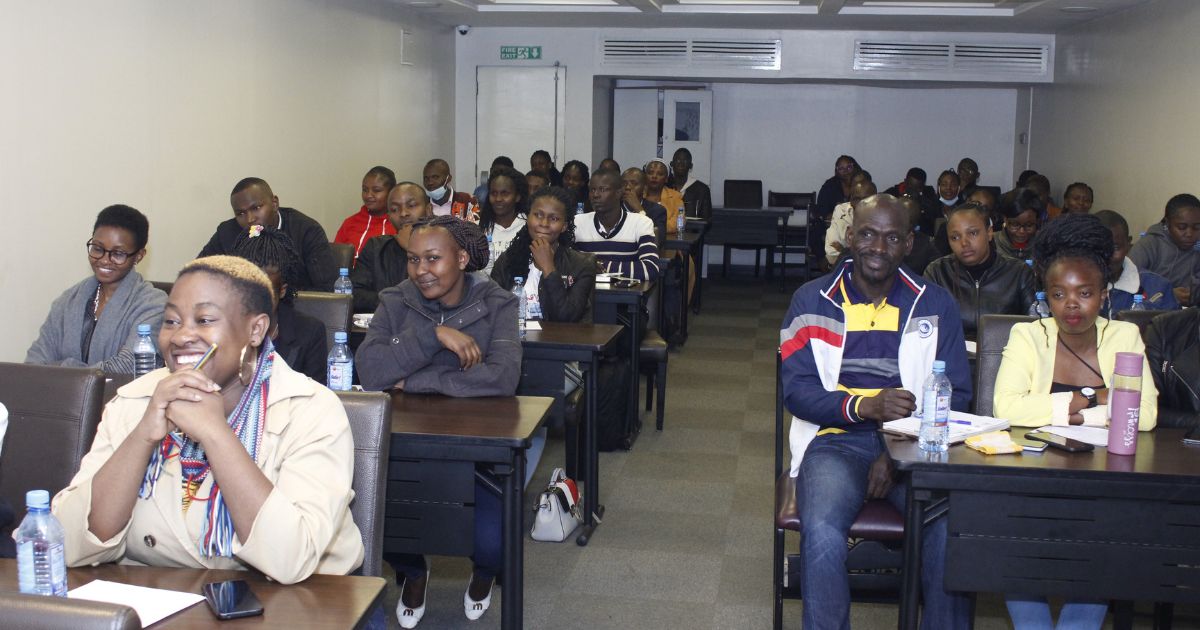
These tailored sessions can be facilitated at your company premises, an offsite retreat venue or through dedicated virtual learning platforms. By focusing on internal challenges, this targeted learning model turns theoretical concepts into practical tools that staff members can immediately apply to their daily responsibilities.


Major Benefits of In-House Training in Kenya.
Choosing customized internal learning programs over generic external seminars provides clear operational and financial advantages for modern enterprises.
1. Tailored Content Relevant to Your Company.
Generic workshops cover broad industry concepts, but internal programs are designed specifically for your organization. Facilitators work closely with your human resource and management teams to address existing operational bottlenecks, industry regulations and specific customer needs.
2. Cost-Effective Staff Development.
Training an entire department through public seminars often incurs high registration fees per participant alongside individual travel and accommodation expenses. On-site internal training lowers cost per employee significantly. Furthermore, organizations registered with the National Industrial Training Authority (NITA) can claim reimbursement for approved staff development programs, maximizing their training budgets.
3. Protection of Confidential Business Information.
Internal training sessions create a secure space for transparent discussions. Employees can analyze real company data, current financial reports and internal case studies without worrying about leaking sensitive information to external competitors.
4. Strengthened Team Collaboration and Alignment.
When departmental teams learn together, they build a shared understanding of organizational expectations. Training entire units at once eliminates communication silos, builds interdepartmental trust and establishes clear accountability across all management levels.
5. Scheduling Flexibility and Minimal Work Disruption.
Public training courses force your business to adapt to strict external calendars. In-house programs give you complete control over the dates, times and delivery formats. You can schedule learning sessions during off-peak operational hours or spread modules across several weeks to prevent service downtime.
Essential In-House Training Programs in Kenya.
To maintain a competitive edge, Kenyan companies across banking, manufacturing, hospitality and corporate sectors focus on developing core workplace competencies.
- Leadership and Executive Management: Focuses on building strong supervisors and managers through modules on strategic decision-making, emotional intelligence, delegation and performance appraisal techniques.
- Customer Service Excellence: Equips client-facing teams with professional communication strategies, conflict de-escalation skills, customer retention techniques and service delivery best practices.
- High-Impact Sales and Negotiation: Empowers sales personnel with modern consultative selling methods, pipeline management, objection handling and relationship-based closing strategies.
- Employee Wellness and Mental Health Resilience: Addresses workplace stress, burnout prevention, financial wellness and work-life balance strategies to maintain high staff morale and health.
- Financial Literacy for Non-Financial Managers: Teaches supervisors how to read financial statements, manage operational budgets and align daily activities with corporate financial goals.
- Effective Communication and Conflict Resolution: Enhances interpersonal dynamics, active listening, cross-generational teamwork and constructive feedback mechanisms within the office environment.
In-House Training vs. External Public Seminars.
Understanding how internal programs compare against open public workshops helps management select the right learning format for their workforce:
| Feature | In-House Staff Training | External Public Seminars |
| Content Customization | Fully customized to internal processes and company goals | Generic content designed for a broad audience |
| Cost Per Employee | Highly economical for groups and medium-to-large teams | Higher per-person registration and travel fees |
| Data Privacy | High; allows open discussion of internal case studies | Limited; participants cannot share sensitive details |
| Scheduling | Flexible timing set according to company convenience | Fixed dates and locations set by the event provider |
| Team Bonding | High; reinforces internal culture and teamwork | Low; individual networking across different companies |
Understanding Indicative Pricing and Cost Factors.
Budgeting for staff development requires an understanding of key variables rather than relying on fixed pricing figures, which naturally shift based on market dynamics and organizational needs.
- Group Size and Scope: Training a small executive committee of ten members requires different facilitation methods than hosting a company-wide workshop for hundreds of employees. Larger groups generally lower the training cost per head.
- Level of Customization: Programs requiring specialized industry research, custom manual creation and tailored case studies involve deeper preparation than standard, off-the-shelf training modules.
- Duration and Logistics: Half-day intensive workshops carry different resource demands compared to multi-day, comprehensive skill transformation programs requiring physical course materials and assessments.
- NITA Accreditation Benefits: Choosing an accredited training provider allows eligible employers to claim training cost reimbursements through the National Industrial Training Authority, lowering the overall financial commitment.
How to Get Started with In-House Training.
Implementing a successful learning program requires a structured approach to ensure maximum return on your corporate investment.
- Conduct a Training Needs Assessment (TNA): Evaluate performance gaps across departments using employee reviews, customer feedback and management observations to identify specific skill deficits.
- Define Clear Learning Objectives: Establish measurable targets for the program, such as reducing customer response times, improving sales conversion rates or lowering management turnover.
- Partner with a Recognized Consultancy: Collaborate with experienced HR and training specialists at www.eaglesconsultants.com to design practical, result-driven training modules tailored to your business needs.
- Tailor Course Materials to Internal Scenarios: Provide facilitators with real workplace examples, typical customer complaints and internal guidelines to make training exercises highly realistic.
- Schedule and Prepare Facilities: Choose a suitable, distraction-free environment—whether an internal board room or an offsite venue—and coordinate schedules so participants can focus entirely on learning.
- Evaluate Post-Training Performance: Review employee output 30 to 90 days after training to measure skill adoption, gather participant feedback and reinforce new workplace habits.
Conclusion: In-House Training in Kenya.
Investing in targeted In-House Training in Kenya is one of the most reliable strategies for building a skilled, resilient and motivated workforce. Customizing learning modules to address your specific operational challenges reduces training costs, protects company privacy and builds a cohesive team culture aligned with your business targets. Do not let skill gaps slow down your business growth. Contact the corporate training experts at www.eaglesconsultants.com today to develop a customized, NITA-approved learning program that unlocks your team’s full potential.
10 Frequently Asked Questions (FAQs).
1. What is the main focus of In-House Training in Kenya?
It focuses on delivering customized learning programs designed specifically to solve an individual company’s operational challenges, performance gaps and workplace objectives.
2. How does internal staff training save costs for a business?
It reduces per-person registration fees, eliminates employee travel and accommodation expenses and qualifies registered employers for NITA tax levy reimbursements.
3. What sectors in Kenya benefit from customized employee training?
Organizations across all industries—including financial institutions, manufacturing firms, hospitality brands, non-governmental organizations and government bodies—derive value from tailored corporate training.
4. Can in-house training courses be customized for specific departments?
Yes, training modules can be specifically tailored for executive boards, sales teams, customer service units, HR professionals or technical operational staff.
5. How long do corporate in-house training programs typically take?
Program durations are flexible, ranging from half-day intensive workshops to full-day seminars or multi-week modular courses delivered over time.
6. Are in-house staff training programs eligible for NITA reimbursement?
Yes, when facilitated by an accredited training institution, employers contributing to the NITA levy can apply for training cost reimbursements according to regulation guidelines.
7. Where can in-house training sessions be conducted?
Sessions can take place directly within your company’s boardrooms, at hired conference venues or virtually via interactive online learning setups.
8. How do we measure the success of an internal corporate training course?
Success is measured by evaluating post-training productivity metrics. For example improved customer satisfaction ratings, sales performance and direct participant evaluations 30 to 90 days after training.
9. What is the difference between open public seminars and internal company training?
Public seminars bring together individuals from different organizations for general learning, whereas internal company training is exclusive to your staff and tailored to your internal procedures.
10. How do I request a customized training proposal for my organization?
You can easily request a customized corporate training quote and Needs Assessment by visiting www.eaglesconsultants.com to consult with professional learning facilitators.