

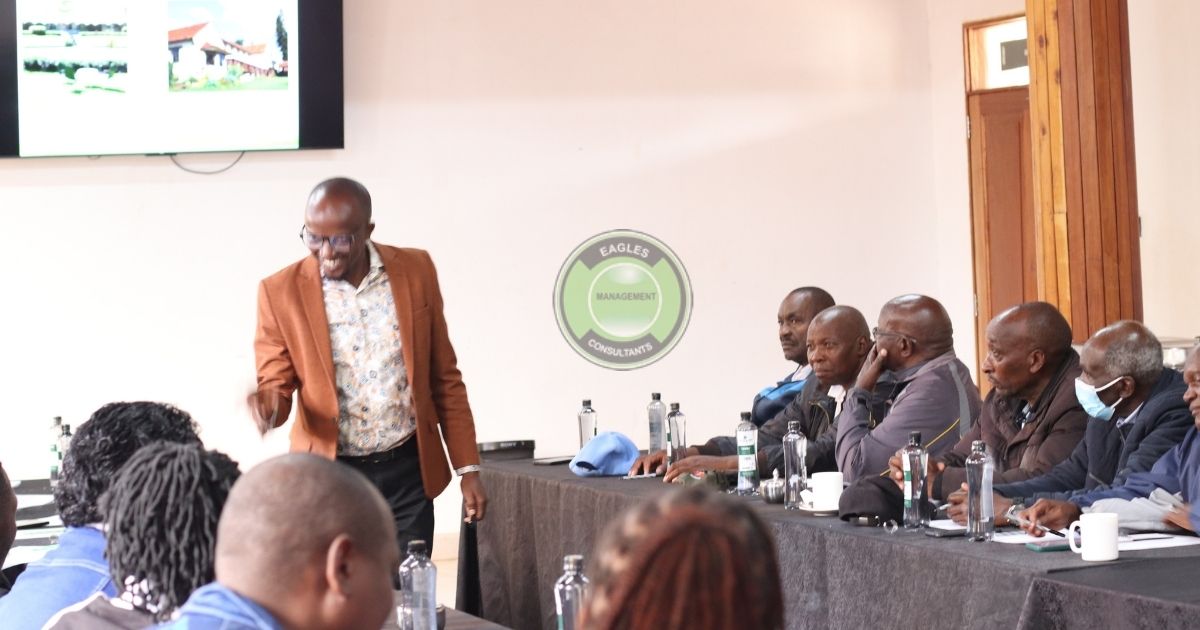
Why Invest in Leadership Training Courses in Kenya?
The modern corporate environment is incredibly dynamic. Companies face constant technological shifts, changing consumer behaviors and internal team challenges. In such a landscape, strong workplace leadership is what separates thriving businesses from those that stagnate. Corporate management courses do more than just teach basic supervisory skills; they actively rewire how managers think, communicate and solve problems.
Here are the core reasons why your organization needs professional leadership development:
- Improves Decision-Making Capabilities: Untrained managers often make decisions based on emotion or incomplete data. Professional training equips leaders with frameworks to analyze risks, weigh outcomes and make strategic choices that benefit the entire organization.
- Boosts Employee Retention: Employees rarely leave bad companies; they leave bad bosses. When managers learn how to support, mentor and listen to their teams, employee morale skyrockets, significantly reducing costly staff turnover.
- Drives Seamless Change Management: Whether adopting a new software system or restructuring departments, change is difficult. Trained leaders know how to communicate these shifts clearly, handle internal resistance and align their teams with new corporate goals.
- Enhances Productivity and Accountability: A good leader knows how to set clear expectations and hold team members accountable without micromanaging. This balance leads to smoother daily operations and higher overall output.

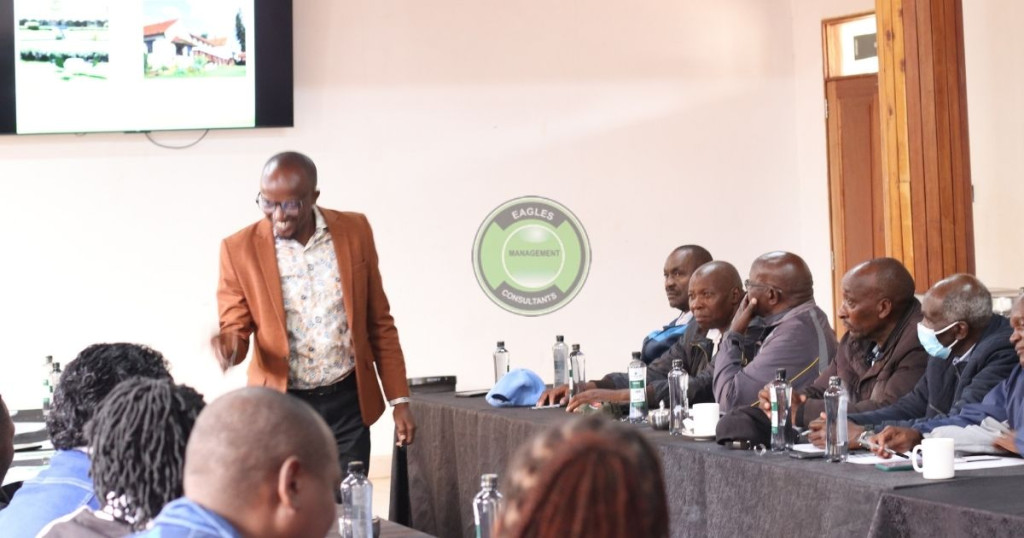
Key Modules in Executive Leadership Programs.
Not all training programs are created equal. The most effective programs focus on actionable, real-world business outcomes rather than just theoretical lectures. When you enroll your team in professional management training in Kenya, the curriculum should address the specific challenges faced by modern organizations.
Here are the critical modules covered in top-tier executive leadership programs:
1. Strategic Leadership and Vision Setting.
Managers must understand how their department’s daily tasks feed into the broader company vision. This module teaches leaders how to set long-term goals, allocate resources efficiently, and inspire their teams to work toward a unified corporate objective.
2. Emotional Intelligence (EQ) and Self-Awareness.
High emotional intelligence is often the distinguishing factor between an average supervisor and an exceptional leader. Training workshops place a heavy emphasis on self-awareness. Managers learn how to identify their own emotional triggers, understand the feelings of their subordinates and respond to workplace stress with calm professionalism rather than reactive frustration.
3. Effective Communication and Influence.
A leader’s ability to communicate determines their ability to succeed. This module focuses on active listening, delivering constructive feedback, and presenting ideas persuasively. Strong communication drastically reduces workplace misunderstandings and ensures that projects are executed correctly the first time.
4. Conflict Resolution and Team Dynamics.
Whenever people work together, disagreements are inevitable. Effective leaders do not avoid conflict; they manage it. Management skills training teaches supervisors how to mediate disputes impartially, turning potentially toxic arguments into constructive problem-solving sessions.
5. Performance Management and Delegation.
Many new managers struggle with delegation, preferring to do everything themselves. This module teaches leaders how to assign tasks based on individual strengths, track performance metrics and empower their staff to take ownership of their work without constant supervision.
Who Should Attend Leadership Training in Kenya?
A common misconception is that leadership development is only for senior executives. In reality, to build a resilient and agile organization, training must be cascaded throughout every level of the company.
Different roles require different types of training:
- First-Time Supervisors: The jump from peer to boss is incredibly challenging. Supervisory management skills training helps new managers establish authority respectfully, navigate their new responsibilitie and learn the basics of team coordination.
- Mid-Level Managers: These individuals are the operational engine of any company. They need advanced training in strategic planning, cross-departmental collaboration and conflict resolution to keep the business running smoothly on a day-to-day basis.
- Senior Executives and C-Suite: At the highest level, leaders need to focus on the big picture. Executive leadership programs are designed to refine corporate governance, risk management and long-term organizational strategy.
- High-Potential Employees: Identifying and training future leaders before they are officially promoted ensures a strong succession plan and a seamless transition when leadership roles open up.
The Importance of NITA Certified Training.
When selecting a training provider, it is highly advantageous to choose an institution that offers NITA certified training. The National Industrial Training Authority (NITA) regulates the quality of industrial training in the country. Choosing a NITA-accredited program ensures that the curriculum meets stringent national standards for quality and relevance.
Furthermore, companies that are registered and contribute to the NITA levy can often claim reimbursements for the training costs incurred. This makes investing in high-quality corporate management courses highly cost-effective for Kenyan businesses, allowing them to upskill their workforce continuously without straining their financial resources.
Flexible Delivery Methods for Corporate Training.
Every organization operates differently, which is why top consulting firms offer flexible training formats to suit various operational needs. You can easily find a delivery method that minimizes business disruption while maximizing learning impact.
- In-House Corporate Workshops: For larger organizations, having expert facilitators come directly to your company headquarters is highly efficient. It allows for customized case studies that directly address your company’s current challenges.
- Off-Site Corporate Retreats: Taking your management team away from the office eliminates daily distractions. Venues in locations like Naivasha or Machakos provide tranquil environments where executives can focus entirely on strategic growth, team synergy and intensive leadership development.
- Executive Coaching and Mentorship: Some leaders require one-on-one guidance rather than group classes. Executive coaching pairs a manager with a seasoned consultant for ongoing, personalized mentorship over several months.
To explore which delivery format is best for your team, you can review customized corporate solutions directly at www.eaglesconsultants.com.
How Much Do Leadership Training Courses Cost in Kenya?
When organizing corporate training, understanding the financial investment is critical. However, companies should avoid looking for rigid, fixed pricing figures online. The cost of leadership programs is highly variable because true professional development is never a one-size-fits-all product.
Pricing for these courses will naturally fluctuate depending on several factors:
- Customization Level: A standard, off-the-shelf seminar will be priced differently than a fully bespoke program built specifically around your company’s internal data and strategic goals.
- Group Size: Larger groups often attract discounted per-person rates, though they may require multiple facilitators to ensure everyone receives adequate attention.
- Program Duration: An intensive two-day supervisory workshop will have a different budget requirement than an extended, six-month executive leadership program that includes continuous individual coaching.
- Delivery Format and Venue: If you opt for an off-site retreat, the costs of hotel accommodation, meals and transport will naturally alter the overall budget compared to hosting the training in your own boardroom.
To ensure you get the best value, always request an up-to-date, customized quote that reflects your exact headcount, specific corporate goals and preferred location.
10 Frequently Asked Questions (FAQs) About Leadership Training Courses in Kenya.
1. What exactly are Leadership Training Courses in Kenya?
These are structured professional development programs designed to equip supervisors, managers and executives with the strategic frameworks and soft skills needed to manage teams, resolve conflicts and drive corporate productivity.
2. How do we know if our company needs management training?
If your organization is experiencing high employee turnover, frequent inter-departmental conflicts, missed strategic targets or a general lack of motivation, these are strong indicators that your management team needs professional leadership development.
3. What is the difference between team building and leadership training?
Team building focuses primarily on improving trust, camaraderie, and communication among peers through interactive outdoor activities. Leadership training is a more structured, workshop-based intervention focused on strategic management, emotional intelligence and supervisory skills.
4. Can leadership programs be customized for our specific industry?
Yes. Top-tier consulting firms conduct a thorough needs assessment before the program begins. This ensures that all case studies, role-playing exercises and modules directly address your organization’s unique challenges. You can request a tailored program at www.eaglesconsultants.com.
5. How much do corporate management courses cost?
The investment is highly variable and depends on the delivery format, the length of the program, the number of participants and the level of customization. Because these factors change, it is best to contact professional consultants directly for an accurate and customized quote rather than relying on fixed online prices.
6. Who should attend executive leadership programs?
These high-level programs are specifically designed for senior managers, directors, C-suite executives and individuals responsible for long-term strategic decision-making and corporate governance.
7. Why is emotional intelligence emphasized in management skills training?
Emotional intelligence is critical for managing workplace stress, understanding employee motivations and resolving conflicts calmly. It allows leaders to connect with their teams on a human level, which drastically improves morale and productivity.
8. Are there NITA certified training providers for leadership courses?
Yes. Choosing a NITA-accredited training provider ensures the curriculum meets national quality standards. It also allows eligible, contributing companies to apply for training cost reimbursements from the authority.
9. How long do leadership development workshops usually take?
The duration varies widely based on organizational needs. Programs can range from intensive 2-to-3-day indoor workshops to extended modular programs that take place over several months, accompanied by ongoing executive coaching.
10. How do we book a professional leadership trainer for our company?
The most effective way to secure high-quality facilitation is to partner with established corporate training experts. You can easily schedule a consultation, discuss your organizational needs and book your training by visiting www.eaglesconsultants.com.
Conclusion: Leadership Training Courses in Kenya.
Building a successful, resilient company requires much more than just a superior product; it requires visionary people to steer the ship. Leadership Training Courses in Kenya act as the essential catalyst for transforming standard management into exceptional leadership. By actively investing in the strategic thinking, emotional intelligence and communication competencies of your management team, you insulate your company against market disruptions and foster a vibrant culture of high performance and accountability.
Do not leave the success of your organization to chance or untrained management. Empower your supervisors and executives with the practical skills they need to drive measurable results today. To start building your next generation of leaders, explore customized, high-impact corporate training solutions by visiting www.eaglesconsultants.com.