

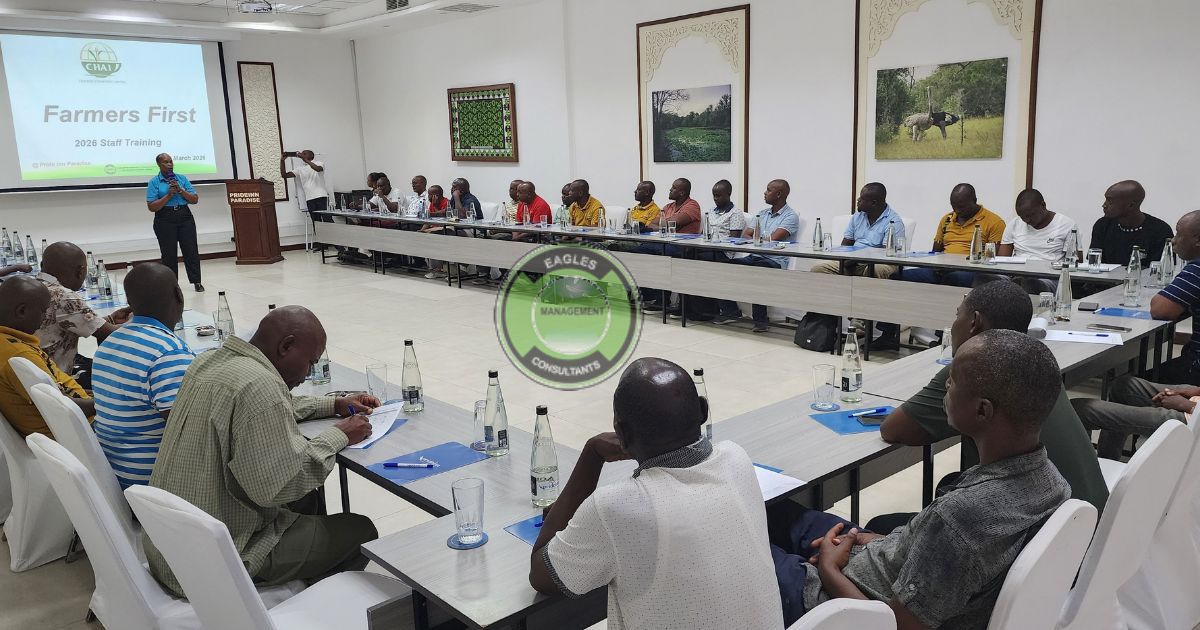
Every successful business relies on strong leaders to drive growth, inspire teams and overcome operational challenges. However, great leaders are rarely born; they are carefully developed through intentional and structured training. If you want to prepare your employees to take charge, investing in Management Development Programs in Kenya is the smartest decision your company can make. For customized, high-impact leadership training that delivers measurable results, partnering with www.eaglesconsultants.com guarantees that your organization is equipped for long-term success.
In this comprehensive guide, we will explore why corporate leadership training is essential, the core skills your future managers need and how to choose the right talent management solutions for your business.
What Are Management Development Programs in Kenya?
Management development programs are specialized training courses designed to enhance the skills, knowledge and capabilities of current and future organizational leaders. In Kenya, these programs have become increasingly popular as companies realize the direct link between effective management and overall business profitability.
These programs focus on moving employees away from purely technical or operational duties and teaching them how to manage people, resources, and company strategies. Whether it is a fast-growing startup in Nairobi or a large multinational corporation, equipping your staff with supervisory skills ensures smooth day-to-day operations and creates a healthy workplace culture.
The Importance of Corporate Leadership Training.
Promoting your top salesperson to a sales manager seems like a logical step. However, selling a product and managing a team of diverse personalities are two very different tasks. Corporate leadership training bridges this gap. Here is why your organization needs to invest in these programs:
1. Improved Employee Retention.
Employees do not leave bad companies; they leave bad managers. A poorly trained manager can create a toxic work environment, leading to high staff turnover. By investing in management courses in Kenya, you give your leaders the tools they need to motivate, support and engage their teams. When employees feel valued by their supervisors, they are more likely to stay loyal to the company.
2. Boosted Productivity and Efficiency.
A well-trained manager knows how to delegate tasks effectively, set clear expectations and track performance without micromanaging. When leaders are confident in their roles, entire departments run more efficiently. They can identify workflow bottlenecks quickly and implement strategic solutions that boost overall productivity.
3. Effective Succession Planning.
What happens to your company if a senior executive suddenly resigns or retires? Proper talent management and succession planning ensure that you always have capable leaders ready to step up. Regular leadership development training builds a strong internal pipeline of talent, securing the future stability of your organization.
4. Better Decision Making.
Business environments are dynamic. Managers face difficult choices every day regarding budgets, personnel and company strategy. Executive leadership development programs teach managers how to analyze data, assess risks and make firm, informed decisions under pressure.
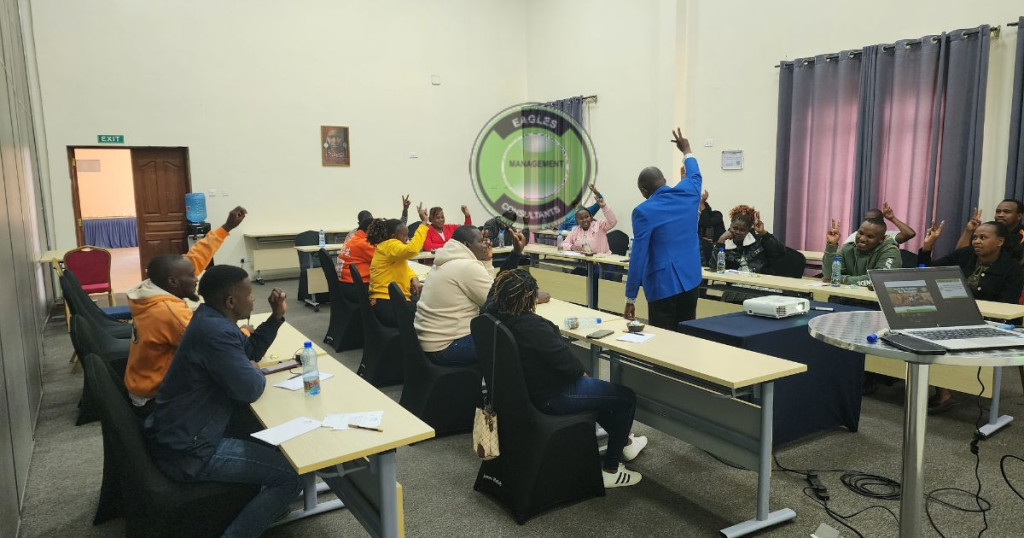
Core Skills Covered in Top Leadership Training Programs in Kenya.
The best Management Development Programs in Kenya do not just offer theoretical lectures; they provide practical, actionable skills that managers can apply immediately. Through www.eaglesconsultants.com, companies can access tailored programs that focus on the following core competencies:
1. Emotional Intelligence (EQ).
Modern leadership requires high emotional intelligence. A manager must be able to understand and control their own emotions while empathizing with the feelings of their team members. High EQ helps leaders manage workplace stress, navigate office politics, and build deep trust with their subordinates.
2. Strategic Thinking and Goal Setting.
A manager must look beyond daily tasks and understand the big picture. Management training teaches leaders how to align their departmental goals with the overall vision of the company. They learn how to set SMART (Specific, Measurable, Achievable, Relevant, Time-bound) goals and create actionable plans to achieve them.
3. Conflict Resolution.
Where there are people, there will be conflict. Whether it is a disagreement between two team members or a clash with a difficult client, managers must know how to step in and resolve issues professionally. Leadership training equips managers with mediation skills, ensuring that conflicts are handled constructively before they damage team morale.
4. Performance Management and Feedback.
One of the hardest tasks for a new manager is reviewing the performance of their former peers. Management development courses provide frameworks on how to conduct fair performance appraisals, deliver constructive criticism, and praise good work. Managers learn how to build performance improvement plans that actually work.
5. Effective Communication.
Clear communication is the backbone of successful leadership. Managers must know how to articulate instructions, write professional reports, and speak confidently in board meetings. Furthermore, active listening is a vital communication skill taught in these programs, ensuring managers truly hear and understand their team’s needs.
Preparing Employees for Leadership: The Transition Phase.
Moving from a peer to a boss is one of the most challenging transitions in any professional’s career. An employee who was once just part of the team is suddenly responsible for evaluating their friends’ performance, approving their leave days and enforcing company policies.
Organizations must support employees during this critical phase. First-time managers often struggle with the urge to do everything themselves because they lack delegation skills. A structured supervisory skills training program helps them let go of their previous operational roles and embrace their new managerial responsibilities. They learn how to establish boundaries, build authority respectfully, and transition from being a “doer” to a “facilitator.”
Executive Leadership Development vs. Supervisory Skills Training.
When searching for Management Development Programs in Kenya, it is important to understand that leadership training is not one-size-fits-all. Different levels of management require different types of training.
1. Supervisory Skills Training (First-Level Management).
This is designed for first-time managers, team leaders and supervisors. The focus here is highly operational. Training includes time management, basic delegation, team building and daily conflict resolution. The goal is to help them manage day-to-day tasks and supervise entry-level employees effectively.
2. Middle Management Training.
Mid-level managers act as the bridge between senior executives and frontline supervisors. Their training focuses on department-level strategy, budget management, cross-functional collaboration and performance tracking. They learn how to interpret executive visions and turn them into actionable tasks for their supervisors.
3. Executive Leadership Development (Senior Management).
This is reserved for CEOs, Directors and senior executives. Executive coaching focuses on high-level strategic planning, organizational change management, corporate governance and managing company-wide risks. Senior leaders learn how to shape company culture and drive long-term business sustainability.
Why Partner with Eagles Management Consultants?
Choosing the right corporate training partner determines the success of your leadership program. www.eaglesconsultants.com stands out as a premier HR consulting and training firm in Kenya. Here is why organizations across East Africa trust them with their leadership development:
- Tailored Solutions: They do not offer generic, off-the-shelf courses. Every training program is customized to fit the specific challenges and goals of your industry.
- Experienced Facilitators: The trainers are seasoned industry experts who bring real-world corporate experience into the training room.
- Measurable Outcomes: Their programs are designed to deliver clear, observable changes in workplace behavior and performance.
- Comprehensive Offerings: From executive coaching and team building to customer service training and emotional intelligence workshops, they offer a complete suite of talent management solutions.
How to Implement a Successful Management Training Program.
If you are an HR manager or business owner looking to roll out Management Development Programs in Kenya, follow these structured steps to ensure maximum impact:
Step 1: Conduct a Needs Assessment.
Before booking a course, identify the skill gaps within your management team. Are your leaders struggling with communication? Is there a high turnover rate in a specific department? Use surveys and performance reviews to pinpoint exactly what kind of training is needed.
Step 2: Define Clear Objectives.
What do you want to achieve by the end of the training? Set clear, measurable goals. For example, your objective might be to “improve department efficiency by 15% within six months” or “reduce employee turnover by 10%.”
Step 3: Select the Right Training Partner.
Engage reputable experts like www.eaglesconsultants.com to design and deliver the curriculum. Ensure the training style matches your company culture.
Step 4: Encourage Continuous Learning.
Leadership development is not a one-time event. Encourage your managers to read leadership books, attend industry seminars and engage in continuous executive coaching.
Step 5: Measure and Evaluate ROI.
After the training, track the performance of your managers. Look for improvements in team morale, project delivery times and overall departmental output. A good management program will always show a positive return on investment.
10 FAQs About Management Development Programs in Kenya.
1. What are Management Development Programs in Kenya?
These are structured training initiatives designed to equip employees, supervisors and executives with the necessary skills to lead teams, manage operations and drive business growth effectively.
2. Why is leadership training important for my company?
Leadership training improves employee retention, boosts workplace productivity, enhances decision-making and ensures that your company has a strong succession plan in place for the future.
3. Who should attend management development training?
Anyone in a leadership role should attend. This includes newly promoted team leaders requiring supervisory skills, mid-level managers and senior executives needing advanced strategic training.
4. How long do corporate management courses take?
The duration varies based on the program. Some intensive workshops last for two to three days, while comprehensive executive leadership programs can run for several weeks or months.
5. What is the difference between leadership and management?
Management focuses on organizing tasks, controlling resources and ensuring daily operational efficiency. Leadership focuses on inspiring people, driving change and setting long-term visions. Good programs teach both.
6. Does emotional intelligence matter in leadership?
Absolutely. High emotional intelligence (EQ) allows leaders to manage their stress, empathize with their team, communicate effectively and handle workplace conflicts gracefully.
7. Can we customize the training for our specific industry?
Yes. Professional corporate trainers at www.eaglesconsultants.com conduct a thorough needs assessment to tailor the training materials, case studies and modules specifically to your organization’s unique challenges.
8. How do we measure the success of a management training program?
Success is measured by observing behavioral changes in the workplace, tracking key performance indicators (KPIs), noting reductions in staff turnover and assessing improvements in departmental efficiency.
9. Why do first-time managers need specific training?
Transitioning from a peer to a boss is psychologically and professionally difficult. First-time managers need specific training on how to delegate, provide feedback and establish authority respectfully without micromanaging.
10. How can I book a management development program in Kenya?
Booking is simple. Visit www.eaglesconsultants.com to explore their corporate training packages, consult with their experts and schedule a customized training session for your team.
Conclusion: Management Development Programs in Kenya.
The strength of any organization is directly tied to the competence of its leaders. In today’s highly competitive corporate landscape, hoping that your employees will naturally figure out how to lead is a massive risk. Implementing professional Management Development Programs in Kenya provides your staff with the proven frameworks, communication skills and strategic mindset required to navigate complex business challenges successfully.
Whether you need to refine the supervisory skills of new team leaders or provide advanced executive coaching for your boardroom directors, intentional talent management is the key to sustainable business growth. Do not leave your company’s leadership to chance. Empower your workforce, improve your team’s productivity and secure your organizational future today. Visit www.eaglesconsultants.com to book high-impact, transformational corporate leadership training tailored perfectly for your business needs!