


Are exceptional leaders born, or are they built through structured professional development? Management training in Kenya is the single most effective investment organizations can make to transform technical experts into high-performing corporate leaders. Transitioning into a managerial role requires a completely different mindset, moving from individual execution to guiding teams, managing budgets and driving strategic business growth. To equip your leaders with modern leadership tools, explore world-class corporate programs at www.eaglesconsultants.com today.
The Evolving Corporate Landscape in Kenya: Why Management Training Matters.
The business environment in Kenya is expanding at a rapid pace. From the fast-growing corporate hubs of Nairobi to commercial centers in Mombasa, Kisumu, Nakuru and Eldoret, companies face heightened competition, technological disruption and shifting workforce dynamics. In this fast-paced economy, managing a team requires far more than issuing top-down directives. Today’s workforce demands empathetic, strategic, and agile managers who can foster collaboration while achieving demanding key performance indicators (KPIs).
Unfortunately, many organizations promote top-performing technical specialists—such as senior accountants, software developers or sales representatives—into managerial roles without providing formal supervisory guidance. While these individuals excel at their functional roles, managing people presents entirely new challenges. Without structured corporate training, newly appointed supervisors often struggle with delegation, workplace conflict, time management and performance evaluations. This skill gap can lead to decreased team morale, high employee turnover and operational inefficiencies across departments.
Structured corporate leadership programs bridge this crucial gap. By enrolling managers in targeted development workshops, Kenyan companies build a resilient leadership pipeline that drives long-term organizational success.
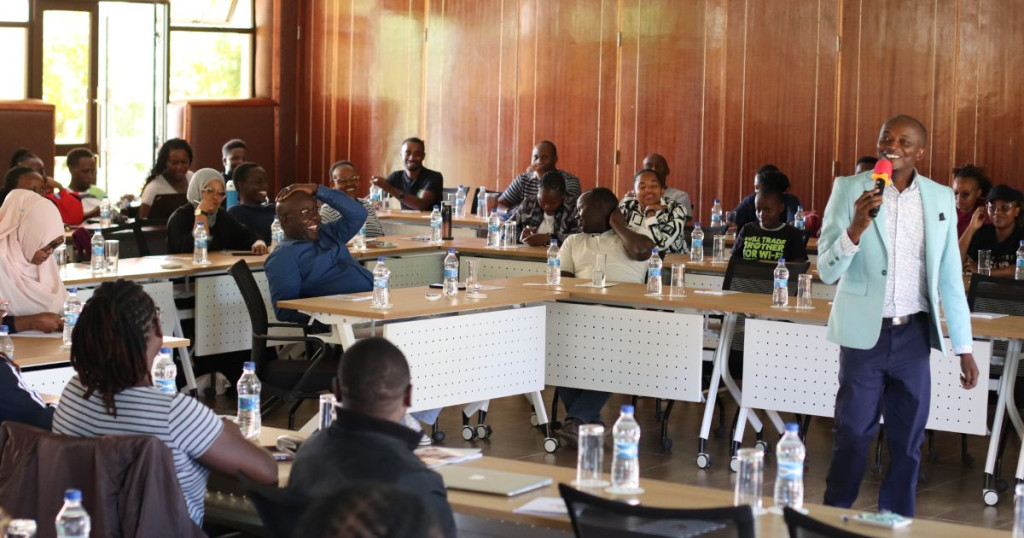

10 Essential Skills Taught in Management Training in Kenya.
Comprehensive supervisory training covers both core operational competencies and essential soft skills. Here are the top ten skills that modern managers in Kenya must master to lead high-achieving teams:
1. Strategic Leadership and Decision-Making.
A competent manager must look beyond daily tasks and align departmental goals with the company’s broader long-term vision. Strategic decision-making involves evaluating data, forecasting market trends, assessing operational risks and making confident choices under pressure. Training equips participants with structured frameworks—such as SWOT analysis and root-cause problem solving—to make objective, business-aligned decisions.
2. Clear Communication and Active Listening.
Communication is the lifeblood of effective management. Managers must articulate expectations clearly, present reports persuasively and convey corporate goals without ambiguity. Equally important is active listening. Leaders who listen to employee feedback build psychological safety, resolve misunderstandings quickly and create an inclusive workplace where innovation flourishes.
3. Effective Delegation and Task Prioritization.
Micromanagement is one of the fastest ways to destroy employee trust and trigger managerial burnout. Effective delegation involves assigning the right tasks to the right individuals based on their unique strengths and capabilities. Through targeted training, managers learn how to set clear parameters, establish accountability mechanisms and empower team members to take ownership of their deliverables.
4. Emotional Intelligence (EQ) and Conflict Resolution.
Workplace disagreements are inevitable when diverse personalities collaborate. High emotional intelligence (EQ) enables leaders to recognize their own emotions, understand team dynamics and approach conflicts with empathy and fairness. Professional leadership courses teach mediation techniques that convert workplace friction into opportunities for constructive dialogue and team growth.
5. Performance Management and Continuous Coaching.
A successful manager acts as a coach rather than a judge. Performance management extends beyond annual performance reviews; it requires establishing SMART goals, offering timely feedback and conducting regular check-ins. Management training programs teach leaders how to deliver constructive criticism effectively, mentor underperforming staff and create individual development plans that nurture talent.
6. Financial Acumen for Non-Financial Managers.
Managers across all departments—including human resources, marketing, operations and IT—must understand how their decisions impact the company’s financial health. Financial training for non-financial managers covers core accounting concepts, budget preparation, profit and loss statements and cost-benefit analysis. This financial clarity enables supervisors to manage departmental budgets responsibly and demonstrate clear return on investment (ROI) for their initiatives.
7. Change Management and Adaptability.
Whether navigating digital transformation, regulatory updates or organizational restructuring, managers must guide their teams through change smoothly. Change management training provides leaders with actionable strategies. This helps address employee resistance, communicate transitional steps transparently and maintain operational stability during periods of uncertainty.
8. Time Management and Productivity Planning.
Modern executives manage competing priorities, tight deadlines and constant digital interruptions. Practical management workshops introduce time-tested techniques—such as the Eisenhower Matrix, time-blocking and agile workflow tracking. These tools help managers optimize their schedules, eliminate non-essential tasks and focus on high-impact strategic activities.
9. Project Management Fundamentals.
Executing corporate strategies requires solid project management skills. Managers learn how to define project scopes, allocate resources efficiently, map out realistic timelines and mitigate operational risks. Learning these fundamentals ensures that key company projects are completed on schedule and within budget constraints.
10. Corporate Governance, Ethics and Compliance.
Ethical leadership builds sustainable organizations. Corporate governance training covers ethical decision-making, labor law compliance in Kenya, risk mitigation and workplace safety protocols. Well-trained managers protect the organization from legal liabilities, reputational damage and regulatory penalties.
Specialized Management Training Programs Offered in Kenya.
To meet diverse organizational needs, professional consulting firms like www.eaglesconsultants.com deliver specialized programs designed for different career levels and sectors:
-
Executive Leadership Development: Tailored for C-suite executives, senior directors and board members. It focuses on corporate strategy, governance, high-level negotiation and organizational culture.
-
Supervisory Skills Training: Designed for newly promoted team leaders and middle managers transitioning from technical roles into managerial positions.
-
Financial Training for Non-Financial Managers: Focuses on equipping line managers with budget control, cash flow analysis and financial reporting skills.
-
Performance Management & Coaching Workshops: Teaches HR practitioners and heads of department how to build effective appraisal systems and continuous performance feedback loops.
-
Public Sector & SACCO Management Training: Specialized modules structured to address the unique governance, compliance and operational requirements. Meant for government agencies, SACCOs and non-governmental organizations (NGOs) across Kenya.
The Tangible ROI of Investing in Supervisory Development.
Corporate training should be viewed as a high-return investment rather than an operational expense. When Kenyan enterprises invest in formal management training, they experience measurable organizational benefits:
+-------------------------------------------------------------------------------+
|                        KEY IMPACT AREAS OF MANAGEMENT TRAINING                |
+-------------------------------------------------------------------------------+
|  1. Lower Employee Turnover    -->  Retain top talent through better leadership |
|  2. Increased Productivity     -->  Streamlined workflows and clear objectives  |
|  3. Faster Decision-Making     -->  Data-driven strategies and delegation      |
|  4. Stronger Team Morale       -->  High emotional intelligence and empathy     |
|  5. Improved Risk Compliance   -->  Alignment with Kenyan labor laws & standards|
+-------------------------------------------------------------------------------+
Organizations with well-trained leaders retain top-tier talent. Studies consistently reveal that employees rarely leave good companies; they leave poor managers. By equipping supervisors with empathy, communication tools and coaching skills, organizations cultivate a supportive work culture that naturally reduces staff turnover.
Furthermore, competent managers streamline operational workflows, eliminate redundancies and keep their teams focused on corporate targets, driving higher overall profitability.
How to Select the Right Corporate Training Provider in Kenya.
Choosing the ideal corporate development partner determines the success of your training initiatives. Here are key factors to evaluate when selecting a management training firm in Kenya:
- Industry Experience and Facilitator Quality: Ensure the firm utilizes seasoned trainers with proven corporate track records across various industries in East Africa.
- Customized Curriculum: Avoid off-the-shelf, one-size-fits-all training packages. Opt for providers that conduct thorough training needs assessments (TNA) to tailor the content to your company’s specific operational challenges.
- Practical, Interactive Methodology: High-impact adult learning relies on practical case studies, group simulations, and role-playing exercises rather than theoretical lectures.
- Flexible Delivery Formats: Look for providers offering flexible learning models, including physical workshops, in-house corporate retreats, hybrid sessions and virtual training.
- Post-Training Evaluation: Select a training partner that measures skill application and operational impact long after the workshop concludes.
For organizations seeking proven expertise, tailored content and experienced corporate facilitators, www.eaglesconsultants.com stands out as a top-tier partner for leadership and staff development in Kenya.
10 Frequently Asked Questions (FAQs) on Management Training in Kenya.
1. What is management training in Kenya?
Management training in Kenya refers to structured corporate development programs designed to equip business leaders, supervisors and executives with essential skills. For example strategic decision-making, team coaching, financial management and effective communication.
2. Who should attend corporate management training programs?
These courses are ideal for newly promoted team leaders, middle-level managers, department heads, senior executives, business owners and HR professionals looking to sharpen their leadership capabilities.
3. What core skills are taught in management training?
Key competencies include strategic leadership, emotional intelligence, task delegation, performance management, conflict resolution, financial analysis, time management and change leadership.
4. Can management training programs be customized for my organization?
Yes. Leading consulting partners like www.eaglesconsultants.com perform detailed training needs assessments to tailor learning modules specifically to your industry, company goals and workplace dynamics.
5. How long do corporate management training courses usually take?
Program durations vary based on learning objectives. Options range from intensive 1-to-3-day workshops and week-long retreats to comprehensive multi-month leadership development programs.
6. Are training programs available for non-financial managers?
Yes. Specialized modules like “Finance for Non-Financial Managers” help supervisors understand basic accounting, departmental budgeting, financial statements and cost management without requiring a background in accounting.
7. Where can corporate management training sessions be conducted?
Training sessions can be hosted at your company premises. Also it can be hosted at select conference hotels across major Kenyan cities like Nairobi, Mombasa or Naivasha. Finally it can be hosted virtually through interactive online platforms.
8. How does management training benefit company growth?
It improves workforce productivity, boosts employee retention, enhances communication, reduces workplace disputes and aligns team outputs directly with overarching corporate goals.
9. What is the difference between leadership training and management training?
While management training focuses heavily on operational planning, budgeting, processes and task execution, leadership training emphasizes vision, inspiring teams, influence and driving organizational culture. Modern programs usually integrate both aspects for balanced development.
10. How can my organization get started with custom management training in Kenya?
You can kickstart your team’s leadership transformation by booking a consultation with premier corporate trainers through www.eaglesconsultants.com.
Conclusion.
Empowering your supervisory team with modern skills is the single most effective way to secure a competitive advantage in today’s dynamic business environment. Comprehensive management training in Kenya transforms supervisors from task managers into strategic leaders. In turn they are capable of driving innovation, boosting productivity and building high-performing teams.
By mastering core competencies such as strategic decision-making, clear communication, emotional intelligence and financial management, your leaders will effectively navigate workplace challenges and deliver sustainable business results.
Do not let leadership gaps slow down your organization’s potential. Invest in your workforce today and build a strong foundation for future growth. Visit www.eaglesconsultants.com now to explore customized management training programs tailored specifically for your team.