
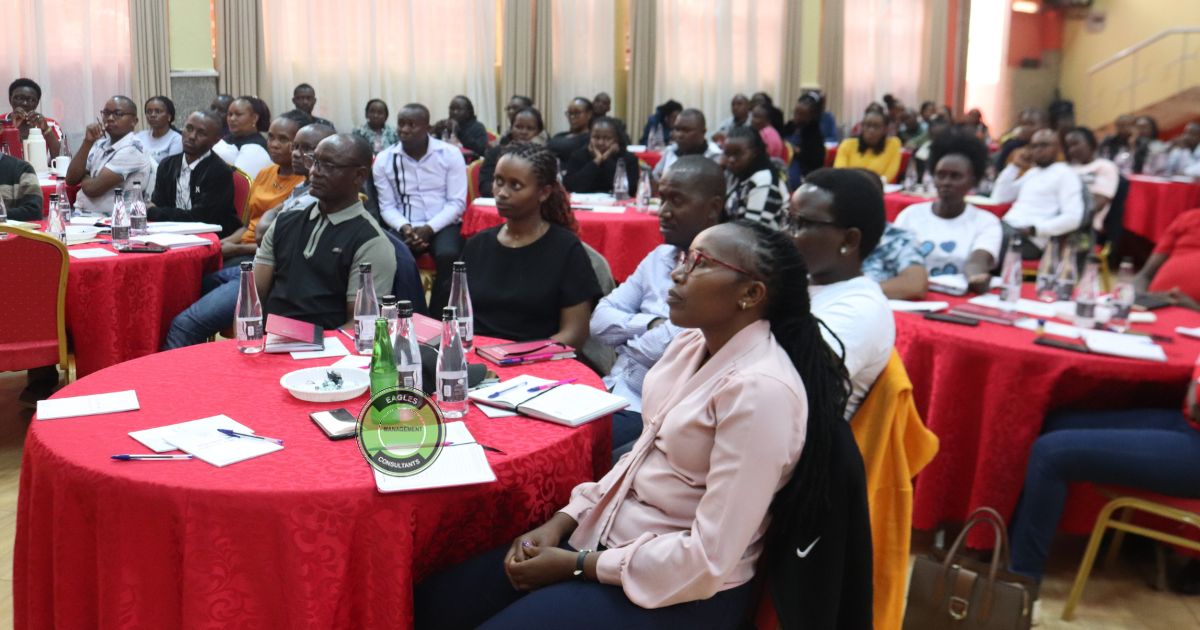
Many Kenyan workers spend 30 years building a career, but only a few weeks thinking about life after it. Then the last payslip arrives and the worries begin. Will the pension be enough? What will I do every day? Pre-Retirement Training for Employees in Kenya answers these questions early, so staff leave work with confidence instead of fear. In this guide, you will learn what the training covers, why it matters and how to set it up. To book a customised program for your team, visit www.eaglesconsultants.com.
What Is Pre-Retirement Training for Employees in Kenya?
Pre-retirement training is a structured program that prepares workers for life after formal employment. It is also called a retirement planning program, a pre-retirement seminar or a retirement preparation workshop. The goal is simple: help employees move from full-time work to retirement without financial stress or emotional shock.
A good program goes beyond money. It covers pensions, savings, investments, health, family life and new sources of income. It also helps people find purpose and routine once the office is no longer part of their day.
Most organisations run these sessions for staff who are three to five years away from retirement. Others start much earlier, because early planning gives workers more time to save and invest.
Why Retirement Planning for Employees Matters in Kenya.
Kenya has a growing number of retirees who depend on a pension, family support or both. Living costs rise every year and many workers have not saved enough on their own. Retirement planning training closes this gap.
Here are the main reasons why this training matters:
- Many employees have little financial knowledge. Few people understand how their pension works or how to invest a lump sum.
- Retirement is a big life change. Without planning, many retirees feel lost, lonely or stressed.
- Families often depend on one salary. When it stops, school fees, rent and medical bills can become a heavy burden.
- Health needs increase with age. Retirees need a clear plan for medical care and healthy living.
- Bad decisions can cost a lifetime of savings. Poor investments and unplanned spending can wipe out a retirement package quickly.
Training gives employees the knowledge to avoid these risks. It turns fear of retirement into a clear plan.

Who Should Attend Pre-Retirement Seminars in Kenya?
Retirement readiness is not only for people about to leave. Different groups gain different benefits.
- Employees nearing retirement: They need practical steps for the final years of work.
- Mid-career staff: They gain time to build savings and invest wisely.
- Managers and executives: They need advanced planning for larger benefits and assets.
- Spouses and partners: Retirement affects the whole family, so including them improves results.
- Young employees: Starting early makes a huge difference over 30 years.
Companies in sectors such as banking, education, manufacturing, health, NGOs and government often include all these groups in their retirement preparation programs.
Key Topics Covered in Pre-Retirement Training Programs.
A strong program covers money, health, mindset and legacy. Below are the core topics every Kenyan employee should learn.
1. Financial Planning for Retirement in Kenya.
This is usually the most important session. Employees learn how to:
- Estimate their monthly needs after retirement.
- Build a realistic retirement budget.
- Clear debts before leaving employment.
- Build an emergency fund.
- Avoid common money traps and scams.
Participants leave with a simple written plan they can follow.
2. Understanding Pensions and Retirement Benefits.
Many workers do not know how their benefits work. The training explains the main sources of retirement income in Kenya, such as:
- NSSF contributions.
- Employer pension schemes and provident funds.
- Individual pension plans.
- Personal savings and SACCO savings.
Participants also learn how schemes are regulated by the Retirement Benefits Authority (RBA), what to ask their HR team and how to read a benefits statement.
3. Investment Options for Retirees.
Retirement is not the time to take wild risks. Trainers explain safe, practical options such as SACCOs, money market funds, government bonds and rental property. Employees also learn the basics of risk, returns and diversification, so they can protect their money from inflation.
4. Health and Wellness After Retirement.
Healthy retirees enjoy life more and spend less on treatment. This session covers medical cover options, regular check-ups, nutrition, exercise and stress management. It also explains how to use national health cover and private insurance wisely.
5. Emotional and Mental Preparation.
Many retirees miss their work routine, status and colleagues. Sessions on emotional wellbeing help employees prepare for this change. Topics include handling identity loss, building new routines, staying social and finding purpose through hobbies, volunteering or mentoring.
6. Family and Relationship Planning.
Retirement changes the home. Couples spend more time together and children may still depend on parents. This topic helps families talk openly about money, roles and expectations.
7. Starting a Small Business or Side Income.
Many retirees want extra income. Training introduces business ideas such as farming, small retail, consultancy and transport. Participants learn how to test an idea, manage cash and avoid risky ventures.
8. Wills, Succession and Legal Planning.
Few Kenyans write wills, and this often leads to family conflict. A good program explains wills, succession, land ownership and the importance of proper documents, so families are protected.
Benefits of Pre-Retirement Training for Employers.
Employers also gain a lot from retirement planning for employees. Here are the main benefits:
- Higher morale: Staff feel valued when the company cares about their future.
- Better productivity: Workers who are not anxious about retirement focus better on their jobs.
- Smoother succession: Planned exits make it easier to train and promote replacements.
- Stronger employer brand: Companies known for caring about employee wellbeing attract top talent.
- Fewer retirement disputes: Clear information reduces complaints about benefits and exit processes.
This is why many HR teams now include retirement preparation in their staff development programs and wider corporate training plans.
Benefits of Retirement Preparation Programs for Employees.
For employees, the benefits are even more personal:
- Clear understanding of pension and retirement benefits.
- A written plan for income and spending.
- Lower stress about the future.
- Better health habits.
- Confidence to start new projects.
- Stronger family communication.
In short, the training helps people retire with dignity and peace of mind.
When Should Companies Start Retirement Planning Training?
The best time to start is early. Many experts suggest a layered approach:
- 10 years before retirement: Introduce saving, investing, and debt control.
- 5 years before retirement: Offer detailed benefits, health and lifestyle planning.
- 1 to 2 years before retirement: Focus on final decisions, documents and emotional readiness.
- After retirement: Offer follow-up sessions or alumni support.
Starting early gives workers time to fix mistakes. Waiting until the last month leaves almost no room to change anything.
Formats of Pre-Retirement Training in Kenya.
Different organisations need different delivery styles. Common formats include:
- In-house workshops: Trainers come to your office or venue and customise content to your company.
- Residential retreats: Staff attend a one- or two-day program at a hotel or resort away from work.
- Online sessions: Good for staff in different towns or remote locations.
- One-on-one coaching: Helpful for senior managers and executives.
- Family sessions: Spouses join to plan together.
Many companies mix these formats for the best results. You can learn about customised options at www.eaglesconsultants.com.
How to Choose a Pre-Retirement Training Company in Kenya.
The right trainer makes a big difference. Use this checklist when comparing providers:
- Experience: Look for a track record in corporate training in Kenya.
- Local knowledge: The trainer should understand Kenyan pensions, laws and culture.
- Customised content: Avoid one-size-fits-all programs.
- Qualified facilitators: Ask about their backgrounds in finance, HR, counselling and wellness.
- Practical tools: Look for worksheets, budgets and action plans, not just lectures.
- Follow-up support: Good providers offer review sessions after the training.
- Positive client feedback: Ask for references from other organisations.
How to Set Up a Retirement Planning Program in Your Company.
Follow these simple steps to launch a successful program:
- Assess needs: Find out the age groups, job levels and concerns of your staff.
- Set clear goals: For example, better financial knowledge or smoother exits.
- Get management support: Leaders should openly back the program.
- Choose a provider and format: Pick what suits your budget, time and location.
- Invite spouses where possible: It increases the impact of the training.
- Run the training: Keep sessions practical, interactive and easy to follow.
- Review and follow up: Collect feedback and plan refresher sessions each year.
Common Mistakes to Avoid.
Some companies run training that does not deliver results. Avoid these mistakes:
- Starting too late.
- Talking only about money and ignoring health and emotions.
- Using complicated language.
- Leaving out spouses.
- Running one session and never following up.
- Hiring a trainer who does not know the Kenyan context.
Why Choose Eagles Consultants for Retirement Training?
Eagles Consultants offers practical, customised training for organisations across Kenya. Programs are built around your people, your industry and your goals. The approach focuses on simple language, real examples, and clear action steps that employees can use immediately. To discuss your needs and plan a session, contact the team through www.eaglesconsultants.com.
Frequently Asked Questions About Pre-Retirement Training for Employees in Kenya.
1. What is pre-retirement training for employees in Kenya?
It is a program that prepares workers for life after employment. It covers pensions, savings, investments, health, family and emotional readiness.
2. When should employees start retirement planning?
The earlier the better. Many companies begin basic training about 10 years before retirement and offer detailed sessions in the final one to five years.
3. Who should pay for pre-retirement training?
Most often, the employer pays as part of staff development and wellbeing programs. Some employees also join private workshops on their own.
4. How long does a pre-retirement workshop take?
It depends on the content. Programs can run for a half day, one day or several days. Some companies spread sessions across several months.
5. Is pre-retirement training required by law in Kenya?
No law forces every employer to run it. However, many organisations offer it because it improves morale, reduces disputes and supports employee welfare.
6. What topics are covered in pre-retirement seminars?
Common topics include financial planning, pensions and NSSF, investments, health, mental wellbeing, family planning, small business ideas and wills and succession.
7. Can spouses attend the training?
Yes. In fact, it is encouraged. Retirement affects the whole family and joint planning leads to better decisions.
8. Can the training be done online?
Yes. Online sessions work well for staff in different towns or for busy teams. Many companies mix online and in-person sessions.
9. How do I choose the best pre-retirement training provider in Kenya?
Look for experience, local knowledge, qualified facilitators, customised content and follow-up support. You can start by exploring www.eaglesconsultants.com.
10. How can my company book retirement training with Eagles Consultants?
Visit www.eaglesconsultants.com and share your needs, staff numbers and preferred dates. The team will design a program that fits your organisation.
Conclusion: Prepare Your Team for a Confident Retirement.
Retirement should be a reward, not a worry. Yet without guidance, many Kenyan workers face it with little money knowledge, poor health plans and no clear purpose. Pre-Retirement Training for Employees in Kenya changes that story. It helps staff understand their benefits, manage their money, protect their health and build a meaningful life after work.
For employers, the training is a smart investment in loyalty, morale and a strong company reputation. For employees, it is the first step toward a secure and peaceful future. The sooner you start, the better the results.
Do not wait until the final month. Plan a customised retirement preparation program today by visiting www.eaglesconsultants.com, and help your team retire with confidence.