
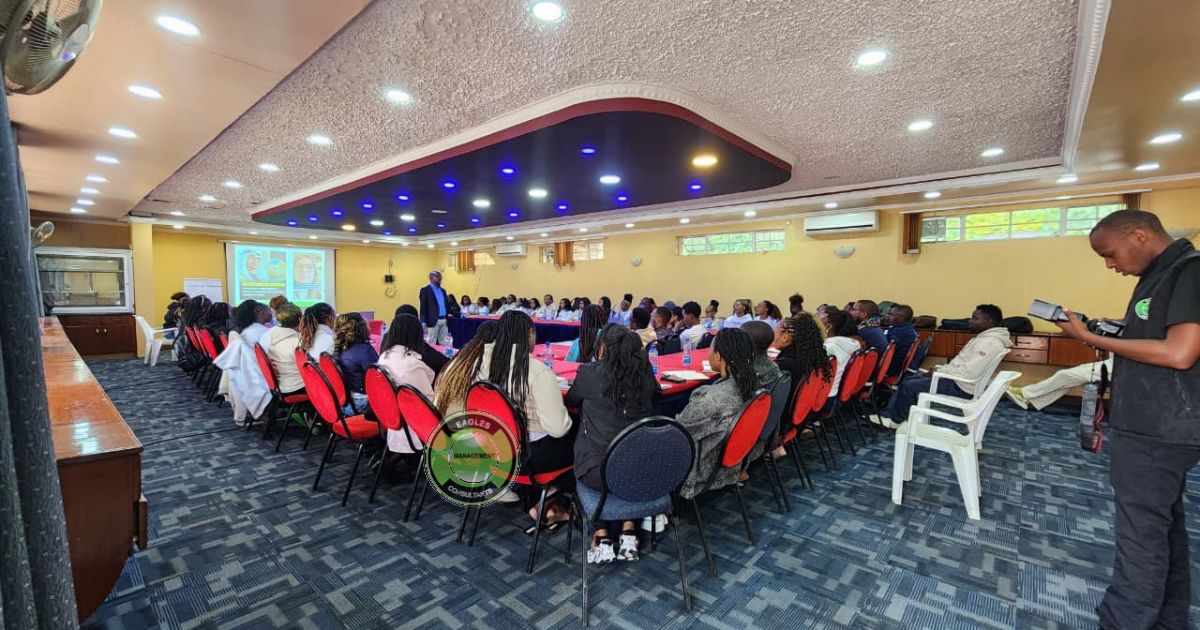
Are your employees equipped with the right skills to handle tomorrow’s business challenges or are they relying on yesterday’s knowledge? In today’s fast-moving corporate environment, investing in Staff Capacity Building Programs in Kenya is no longer a luxury; it is the ultimate key to building stronger, more productive and highly resilient teams. If you want to transform your workforce, close performance gaps and see immediate workplace improvements, partnering with professional training experts at www.eaglesconsultants.com will help you design custom programs that deliver real, measurable results.
What Exactly is Staff Capacity Building?
Many business owners confuse capacity building with a simple, one-day motivational seminar or a standard new-hire orientation. While those are helpful, true capacity building goes much deeper.
Capacity building is a continuous, strategic process of improving the skills, knowledge, instincts and abilities of your employees so they can perform their jobs efficiently. It involves identifying the current skill gaps within your workforce and providing targeted, practical education to bridge those gaps. When an organization focuses heavily on continuous employee development programs, they are actively working to future-proof their business against industry disruptions.
In the highly competitive Kenyan corporate landscape, capacity building is regarded as an essential tool for sustainable growth. It empowers employees to take on more responsibilities, adapt to new workplace technologies and handle complex daily challenges with unmatched confidence.
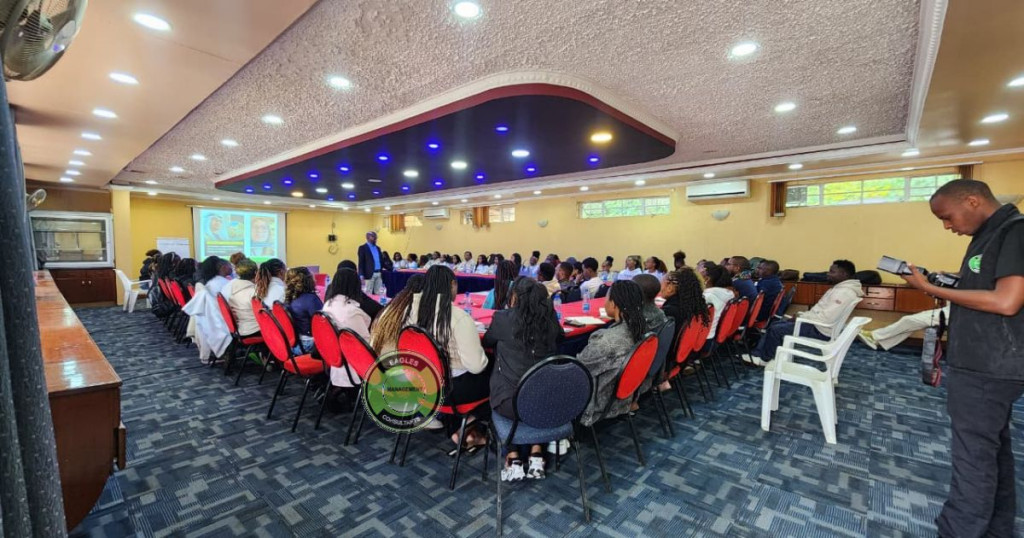

Why Kenyan Businesses Must Invest in Employee Development.
Companies that hesitate to train their staff often do so out of fear that the employees will learn new skills and then leave for competitors. However, the reality is far more dangerous: what happens if you don’t train them, and they stay?
Investing in robust corporate training programs provides immediate and long-term benefits to your bottom line.
- Increased Efficiency and Productivity: Employees who undergo regular professional development courses learn faster, smarter ways to complete their daily tasks. They waste less time on trial-and-error and make fewer costly mistakes.
- Higher Employee Retention: Staff members want to feel genuinely valued. When a company invests heavily in their professional growth, employees develop a stronger sense of loyalty to the organization. This reduces staff turnover and saves you the high costs associated with recruiting and onboarding new people.
- Adaptation to Industry Changes: Industries are changing rapidly due to new technologies, shifting regulations and evolving customer expectations. Consistent capacity building ensures your team is never left behind using outdated, inefficient methods.
- Creating a Leadership Pipeline: Relying on external hires for senior management roles is risky and expensive. Capacity building allows you to identify talented junior staff and mold them into capable future leaders who already understand your company culture.
Top Staff Capacity Building Programs in Kenya.
Not all training programs are created equal. Different departments require specialized approaches to unlock their full potential. Below are some of the most effective and highly sought-after capacity building modules provided by industry experts.
1. Leadership and Management Training Programs.
A team is only as strong as its leader. Professional leadership training in Kenya is absolutely essential for newly promoted supervisors, middle managers and department heads. Often, great employees are promoted to management positions because of their technical skills, but they lack the people skills required to lead a team.
These programs focus heavily on strategic thinking, emotional intelligence, task delegation, and conflict resolution. When managers know how to motivate their teams and handle disputes professionally, the entire department’s productivity skyrockets.
2. Customer Service Training.
Your customer service team is the face and voice of your company. Dedicated customer service training equips your front-line staff with the exact skills they need to handle difficult clients, communicate effectively and maintain a positive, welcoming attitude under pressure. Excellent customer service leads directly to higher client retention and increased word-of-mouth referrals.
3. Sales and Marketing Development.
In a competitive economy, your sales team needs more than just a good product; they need advanced persuasion and closing skills. Sales training programs help teams boost revenue by teaching them modern negotiation skills, objection handling and relationship-based selling techniques. By upgrading your team’s selling capacity, you directly impact the organization’s revenue generation.
4. Soft Skills and Emotional Intelligence Training.
Technical skills (hard skills) will get the job done, but soft skills dictate how well your team works together. Programs focusing on communication, time management adaptability, and teamwork are vital. Quality soft skills training for employees breaks down office silos, encourages seamless collaboration between different departments and creates a much more harmonious workplace environment.
5. Executive Leadership & Board Governance Training.
While general management courses are great for middle managers, board members and C-suite executives require a totally different approach. Executive leadership training focuses on high-level strategic planning, corporate governance, organizational risk management and market expansion.
Additionally, for organizations like SACCOs and corporate boards, targeted management training courses covering governance and regulatory compliance are non-negotiable. These programs ensure that committee members fully understand their legal duties and how to protect the organization from financial risks. You can explore specialized executive corporate programs tailored to these exact needs at www.eaglesconsultants.com.
The Capacity Building Process: How to Do It Right.
Rolling out a successful training program requires more than just gathering employees in a boardroom and putting on a presentation. To get the maximum return on your investment, organizations should follow a structured development process.
Step 1: Conduct a Training Needs Assessment (TNA).
Before spending money on any program, professional consultants must conduct a Training Needs Assessment. This involves observing your workforce, reviewing performance metrics, and interviewing managers to identify exact skill gaps. A TNA ensures that the training program targets real organizational problems rather than assumed ones.
Step 2: Set Clear, Measurable Goals.
What does success look like? Are you trying to reduce customer complaints by 20%? Are you trying to close sales 30% faster? Setting clear Key Performance Indicators (KPIs) before the training begins allows you to measure the effectiveness of the program later.
Step 3: Customize the Curriculum.
Generic, off-the-shelf training manuals rarely work. The best corporate training programs in Kenya are highly customized. The facilitators should tailor the content, role-playing scenarios and case studies to match your specific industry, whether you are in banking, hospitality, manufacturing or healthcare.
Step 4: Engage in Interactive Learning.
Adults do not learn well by simply listening to a long lecture. Capacity building must be highly interactive. Programs should include group discussions, real-time problem-solving games, role-playing and hands-on practical exercises to ensure maximum knowledge retention.
Step 5: Post-Training Evaluation and Follow-Up.
Training should not end when the facilitator leaves the room. Organizations must implement post-training evaluations to see if the employees are actually applying their new skills in the workplace. Follow-up coaching sessions ensure that the new habits stick.
In-House Training vs. Off-Site Retreats.
When planning Staff Capacity Building Programs in Kenya, you will need to decide where the training will take place. Both options have their unique advantages.
1. In-House Training (At Your Office).
- Pros: Highly cost-effective since you save on travel and venue booking costs. It is very convenient and limits operational downtime.
- Cons: Employees might still feel the stress of the workplace. They may be tempted to check emails or step out to handle “quick emergencies,” which reduces their focus.
2. Off-Site Training (Hotels and Retreat Centers).
- Pros: Taking employees out of their normal work environment removes daily distractions. It clears their minds, boosts creativity and makes the training feel like a special reward, which increases overall engagement.
- Cons: Requires a higher budget for transport, meals and venue hire.
For high-level strategic planning and executive leadership training, off-site retreats are highly recommended to ensure deep focus.
Why Partner with Eagles Consultants?
Finding the right training partner is the most critical decision in your capacity-building journey. Eagles Management Consultants has established itself as one of the premier consulting firms in Kenya, specializing in helping organizations, people and teams achieve maximum effectiveness.
Here is why top Kenyan organizations trust them:
- Vast Industry Experience: With over fifteen years of serving hundreds of corporates, NGOs, SACCOs and government agencies, they understand exactly what works in the Kenyan market.
- Tailored Solutions: They do not use a “copy-paste” approach. Every training curriculum is rigorously customized to solve your specific organizational challenges.
- Expert Facilitators: Their trainers are highly experienced professionals who know how to engage adult learners, making the sessions fun, interactive and highly impactful.
- Comprehensive Services: From indoor boardroom soft-skills training to outdoor team-building activities and executive board governance, they handle all aspects of human resource development.
To view their full catalog of corporate training courses, you can seamlessly book a consultation at www.eaglesconsultants.com and start planning your team’s transformation today.
FAQs AboutStaff Capacity Building Programs in Kenya.
1. What exactly are Staff Capacity Building Programs in Kenya?
Staff capacity building is a structured, ongoing process of developing and strengthening the technical skills, instincts, leadership abilities and resources that employees need to survive and thrive in a competitive corporate world.
2. How do employee development programs benefit my company financially?
By upgrading your team’s skills, you directly increase employee productivity, significantly reduce costly operational errors, boost overall morale and reduce expensive staff turnover.
3. What topics are covered in leadership and management training?
Core topics usually include emotional intelligence, effective delegation, conflict resolution, strategic thinking, performance management and effective communication for newly promoted supervisors and managers.
4. How do we identify the right management training courses for our staff?
Professional consultants conduct a Training Needs Assessment (TNA) before designing a program. This assessment identifies the exact skill gaps in your workforce so the resulting training is highly targeted and effective.
5. Can capacity building training be done virtually?
Yes. With the rise of remote work, professional firms like www.eaglesconsultants.com offer highly interactive virtual corporate training platforms, ensuring your remote teams stay sharp, connected and energized.
6. Are team building activities considered part of staff capacity building?
Yes. While team building often feels like “play,” professionally facilitated team building exercises address vital soft skills such as trust, communication, collaboration and rapid problem-solving under pressure.
7. What is the difference between general management training and executive leadership training?
General management focuses on day-to-day operations, task delegation and staff supervision. Executive leadership training is designed for C-suite directors and board members, focusing heavily on long-term strategic planning, governance and organizational risk management.
8. Why is soft skills training important for technical employees?
Technical skills (like accounting or IT) are necessary to perform tasks, but soft skills (like communication and adaptability) determine how well that employee works with others. Lack of soft skills often leads to toxic workplace environments and poor customer service.
9. Can the training facilitators come to our offices?
Absolutely. Facilitators can come directly to your company’s boardroom to conduct the sessions. This in-house approach minimizes disruption to your daily operations while still delivering high-impact knowledge.
10. How do we get started with corporate capacity building for our company?
The first step is to consult with corporate training experts who will guide you through the assessment, planning and execution phases. This ensures your team gets the best possible strategic results. Reach out to the experts today at www.eaglesconsultants.com.
Conclusion: Empower Your Workforce for Future Success.
A company can only grow as fast as the people running it. By prioritizing Staff Capacity Building Programs in Kenya, you are giving your organization a distinct, long-lasting competitive advantage. Well-trained employees are more confident, highly productive and deeply committed to achieving your company’s strategic goals.
Whether you need to sharpen your management’s leadership skills, improve your front-line customer service, increase your sales numbers or ensure your board of directors is fully compliant with modern corporate governance, structured training is the ultimate answer. Do not let your competitors out-train you. Take the first step toward building an unstoppable workforce by exploring customized, high-impact training solutions at www.eaglesconsultants.com today!