


Stepping into a leadership role for the first time is both an exciting milestone and a terrifying challenge. The transition from being an excellent team player to an effective team leader requires a complete shift in mindset. This is exactly why investing in Supervisory Skills Training in Kenya has become a non-negotiable step for growing organizations. Without proper guidance, top-performing employees can easily become overwhelmed and frustrated managers. They need practical tools to handle team dynamics, manage workloads and resolve workplace conflicts. To ensure your new leaders are fully equipped for success, you can book customized corporate training programs today by visiting www.eaglesconsultants.com.
The Transition: Why New Supervisors Struggle.
Promoting your best employee does not automatically guarantee you will get your best manager. A technical expert excels at doing the work, while a supervisor excels at getting the work done through others. This transition is where most new managers in the corporate sector fail.
1. The Shift in Daily Responsibilities.
When an employee is promoted, their daily tasks change drastically. They stop executing technical tasks and start managing people. This shift requires high emotional intelligence and strong communication. Many new supervisors struggle because they attempt to micro-manage their former peers instead of leading them.
2. Managing Former Peers.
One of the toughest challenges for a newly promoted supervisor is changing relationships. Yesterday, they were colleagues sharing lunch; today, they are conducting performance reviews. Proper leadership training for supervisors provides the exact frameworks needed to establish authority respectfully without alienating former friends.
3. The Burden of Accountability.
A frontline employee is only responsible for their own output. A supervisor is accountable for the productivity of the entire team. If a project fails, the supervisor bears the responsibility. This sudden weight of accountability can cause severe burnout if the manager lacks effective team management skills.
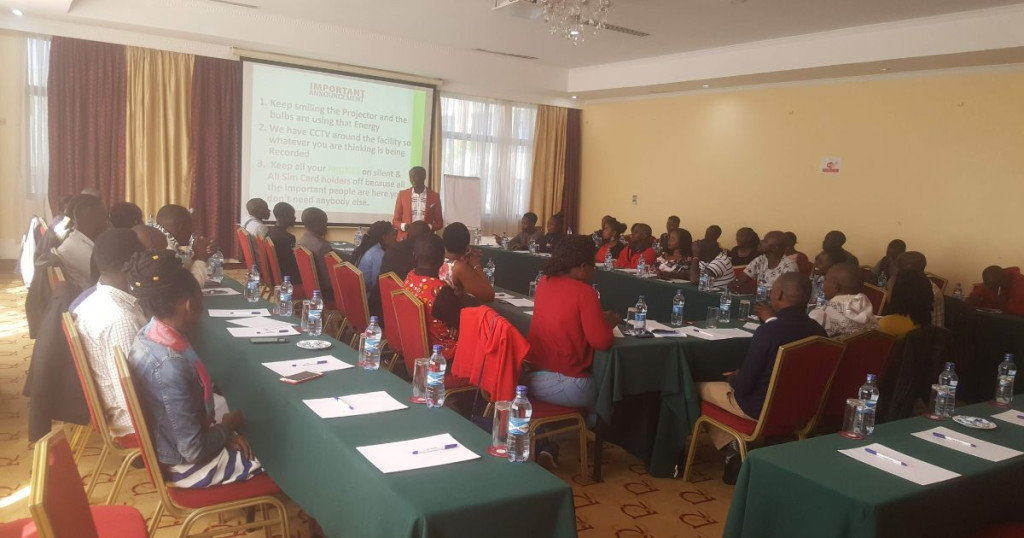

Core Modules of Supervisory Skills Training in Kenya.
A high-quality training program does not rely on generic motivational speeches. It focuses on the specific, practical mechanics of managing a workforce. Here is a deep dive into the essential modules covered in premium management courses in Kenya.
1. The Fundamentals of Leadership and Management.
This foundational module explains the exact difference between a boss and a leader. It focuses on developing a leadership style that commands respect rather than demanding obedience.
- The Mechanics: Participants undergo self-assessment exercises to discover their natural leadership styles. They learn how to adapt this style based on the experience level of their team members.
- The Benefit: Supervisors learn how to inspire their teams naturally. This creates a highly motivated workforce that requires less supervision and delivers higher quality output.
2. Effective Communication and Active Listening.
Poor communication is the root cause of most workplace errors. Supervisors must learn how to give clear instructions that cannot be misunderstood.
- The Mechanics: The training uses role-playing scenarios to practice active listening. Supervisors learn how to read non-verbal cues and how to ask probing questions that uncover the real issues behind an employee’s poor performance.
- The Benefit: Clear communication eliminates costly mistakes. It ensures that projects are completed accurately on the first attempt, saving the company valuable time.
3. Delegation and Time Management Skills.
Many new supervisors work late hours because they are afraid to delegate tasks. They believe it is faster to do the work themselves than to teach someone else.
- The Mechanics: Facilitators introduce tools like the Eisenhower Matrix. Supervisors learn how to categorize tasks by urgency and importance. They are taught the step-by-step process of delegating a task effectively, which includes setting clear deadlines and defining the expected standard of work.
- The Benefit: Effective delegation frees up the supervisor to focus on strategic planning. It also empowers junior employees by giving them new responsibilities, which drastically improves overall workforce productivity.
4. Conflict Resolution and Emotional Intelligence.
Where there are people, there will always be conflict. A competent supervisor must know how to de-escalate workplace tension before it reaches the human resources department.
- The Mechanics: Supervisors study the psychology of workplace conflict. They learn mediation techniques that allow two arguing employees to reach a mutually beneficial compromise. The training emphasizes emotional intelligence, teaching managers how to control their own frustrations during heated moments.
- The Benefit: Resolving disputes quickly at the departmental level maintains team harmony. It prevents minor disagreements from turning into toxic workplace environments that cause high staff turnover.
5. Performance Management in Kenya.
A supervisor is responsible for tracking and improving the output of their team members. This requires objective evaluation and consistent feedback.
- The Mechanics: The course breaks down how to set SMART (Specific, Measurable, Achievable, Relevant, Time-bound) goals. Supervisors learn how to conduct weekly check-ins and formal quarterly appraisals. Most importantly, they learn how to deliver constructive criticism without crushing an employee’s morale.
- The Benefit: Continuous performance tracking identifies skill gaps early. It ensures the team is always aligned with the broader organizational goals.
6. Navigating Kenyan Labor Laws for Supervisors.
Every supervisor must understand the basic legal rights of their employees. Ignorance of the law is not a defense in a labor dispute.
- The Mechanics: Trainers cover the essential components of the Kenyan Employment Act. Supervisors learn the legal procedures for handling chronic absenteeism, issuing formal warnings and granting mandatory leave days.
- The Benefit: This module protects the company from costly legal battles. It ensures that all disciplinary actions are handled fairly, legally and transparently.
Non-Financial Metrics to Measure Training Success.
How do you know if your new manager training programs are actually working? Instead of looking at financial figures, you should track these concrete operational metrics within the first six months after the training.
1. Reduction in Staff Turnover Rates.
Employees rarely leave bad companies; they leave bad managers. A well-trained supervisor knows how to make their staff feel valued and heard. If your departmental turnover rate drops significantly after the training, the program was a success. Retaining experienced staff is a massive operational victory.
2. Faster Project Turnaround Times.
When supervisors learn how to delegate properly, workflows move faster. Track the average time it takes for a department to complete its standard weekly tasks. You will often notice a 15% to 20% increase in task completion speeds because the supervisor is no longer acting as a bottleneck.
3. Decrease in HR Interventions.
Untrained supervisors rely heavily on the HR department to solve minor disputes. After undergoing proper management skills training, supervisors handle these issues internally. A sharp decline in the number of formal complaints filed to HR is a clear indicator of improved leadership capacity.
Logistical Delivery Options for Management Training.
Organizations have different operational structures, and a good training program must be flexible enough to accommodate them. Depending on your workforce capacity, there are several ways to deliver this essential training.
1. Intensive 3-Day Boot Camps.
This is the most popular format for corporate training in Kenya. Supervisors are taken off-site for three full days of highly immersive learning.
- Capacity: These workshops work best with a class size of 15 to 25 participants. This allows for deep interaction and personalized attention from the facilitators.
- Advantage: Taking supervisors away from the office removes daily distractions. They can focus completely on developing their leadership skills in a structured, professional environment.
2. Long-Term Certification Programs.
For a more academic approach, some institutions offer extended courses that run for 2.5 months.
- Format: These often take the form of distance learning or weekend classes. Supervisors implement what they learn during the week and report back to the class.
- Advantage: It allows for gradual learning and immediate real-world application. It is highly suitable for senior supervisors looking to gain formal academic credentials to advance their careers.
3. In-House Customized Workshops.
If your company has a large management team, bringing the trainers to your premises is highly efficient.
- Customization: The facilitators tailor the entire curriculum to address your specific industry challenges. If your company is in manufacturing, the case studies will revolve around factory floor management.
- Advantage: It guarantees absolute relevance. The entire management team learns the exact same vocabulary and leadership standards simultaneously.
Why Partner With Expert HR Consultants in Kenya?
Executing a high-impact training session requires seasoned professionals. You cannot rely on generic, downloaded presentation slides to transform human behavior. To get the best results, you must partner with accredited industry experts. By booking your sessions through www.eaglesconsultants.com, you ensure your team receives practical, modern and highly engaging instruction.
1. NITA Certification and Compliance.
Professional HR consultants in Kenya ensure that their curriculum is fully approved by the National Industrial Training Authority (NITA). This means the course content meets national standards for adult education. Furthermore, partnering with a NITA-registered provider allows compliant companies to claim training levy reimbursements, making the entire exercise highly sustainable.
2. Experienced Local Facilitators.
The best trainers understand the unique cultural dynamics of the Kenyan workplace. They use relatable, local case studies instead of abstract foreign concepts. This makes the training highly practical. Supervisors learn strategies that they can apply on the factory floor or in the corporate office the very next morning.
3. Post-Training Support and Evaluation.
Great training providers do not just deliver a lecture and disappear. They offer post-training evaluations to ensure the supervisors are actually implementing the new strategies. This ongoing support guarantees that the new skills become permanent workplace habits rather than temporary motivation.
Actionable Tips for First-Time Supervisors.
If you have just been promoted to a supervisory role, the training will give you the formal framework. However, you can start implementing these immediate habits to stabilize your team today.
- Set Clear Expectations Early: Do not assume your team knows what you want. Clearly define the exact standard of work you expect within your first week.
- Schedule Regular One-on-One Meetings: Do not wait for the annual review. Have a 15-minute check-in with each team member every two weeks. Ask them what roadblocks they are facing and how you can help remove them.
- Praise in Public, Correct in Private: Never humiliate an employee in front of their peers. If someone makes a mistake, pull them into an office and address it calmly. When they succeed, announce it to the whole team.
- Admit When You Are Wrong: A new title does not make you perfect. When you make a mistake, admit it quickly. This builds massive trust and shows your team that accountability applies to everyone.
- Protect Your Team: A good supervisor acts as a shield. Protect your team from unnecessary corporate politics so they can focus entirely on executing their daily tasks.
Conclusion: Supervisory Skills Training in Kenya.
Building a competent management team does not happen by accident; it requires deliberate, structured education. Providing Supervisory Skills Training in Kenya is the most effective way to equip your new leaders with the confidence and tools they need to succeed. By focusing on emotional intelligence, effective delegation and conflict resolution, you protect your organization from low morale and high turnover rates.
A trained supervisor transforms an average group of employees into a highly productive, unified team. Do not let your newly promoted managers navigate their roles blindly. Give them the professional support they deserve and secure your company’s operational future by booking an expert training program at www.eaglesconsultants.com today.
Frequently Asked Questions (FAQs) About Supervisory Skills Training in Kenya.
1. What exactly is Supervisory Skills Training in Kenya?
It is a targeted professional development program designed to teach newly promoted or aspiring managers how to effectively lead teams, manage workloads and resolve workplace conflicts.
2. Who should attend management courses in Kenya?
These courses are highly ideal for new supervisors, team leaders, frontline managers, shift supervisors and any employee being groomed for a future leadership position.
3. How long do new manager training programs usually take?
The duration varies based on organizational needs. It can range from intensive 3-day corporate boot camps to extended 2.5-month professional certification courses.
4. Are these leadership training programs NITA approved?
Yes, when you partner with accredited training firms, the course curriculum is fully registered and approved by NITA, ensuring high quality and allowing for training levy reimbursements.
5. Where can I book professional leadership training for supervisors?
You can seamlessly book tailored, NITA-certified corporate training modules and access expert local facilitators by visiting www.eaglesconsultants.com.
6. What are the core topics covered in management skills training?
Standard curriculums cover emotional intelligence, active listening, delegation, performance management in Kenya, conflict resolution and basic labor law compliance.
7. How does this training directly improve workforce productivity?
It boosts productivity by teaching managers how to delegate tasks effectively, which speeds up project completion. It also reduces workplace misunderstandings and motivates staff to perform better.
8. Do HR consultants in Kenya offer in-house training for large companies?
Absolutely. Professional providers can come directly to your business premises and deliver customized workshops designed specifically around your company’s unique operational challenges.
9. Why is soft skills training important for new supervisors?
Technical skills help an employee do the job, but soft skills like communication, empathy and patience are absolutely required to manage the people doing the job.
10. What is the difference between an employee and a supervisor?
An employee is solely responsible for executing their individual assigned tasks. A supervisor is held accountable for organizing, guiding and ensuring the successful output of an entire team.