
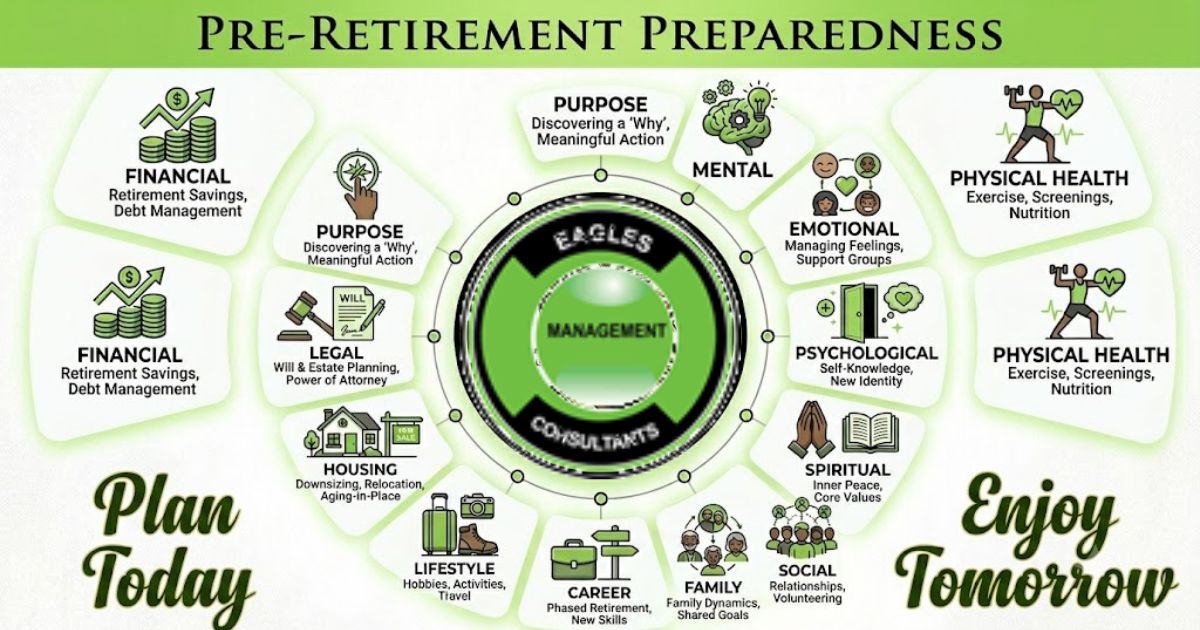
Pre Retirement Training Kenya is an essential program for employees preparing to transition from active employment into retirement. Retirement is a major life milestone that brings both opportunities and challenges. While many people focus on pension benefits and retirement savings, successful retirement requires preparation in several areas, including financial planning, health management, emotional well-being, lifestyle adjustment and investment planning.
Many organizations in Kenya now recognize the importance of helping employees prepare for this transition. As a result, pre-retirement training has become a valuable part of employee development programs. Proper retirement preparation helps individuals enter retirement with confidence, financial security and a clear sense of purpose.
At www.eaglesconsultants.com, employees and organizations can access professional retirement planning programs designed to support a successful transition into life after work.
Why Pre Retirement Training Kenya Is Important.
Many employees spend decades building their careers. However, retirement often arrives with unexpected challenges. Without proper preparation, retirees may struggle with financial uncertainty, loss of routine, reduced social interaction and emotional stress.
Pre-retirement training helps employees understand what to expect and how to prepare effectively. As a result, they can make informed decisions about their finances, health and future lifestyle.
Key benefits include:
- Better financial planning.
- Improved retirement readiness.
- Increased confidence about the future.
- Reduced retirement anxiety.
- Stronger investment knowledge.
- Better health and wellness planning.
- Enhanced personal development.
- Improved quality of life after retirement.
Consequently, employees enter retirement feeling prepared and optimistic.

Benefits of Pre Retirement Training Kenya.
Professional retirement training offers several benefits that improve retirement readiness and long-term well-being.
1. Better Financial Preparedness.
Many people approach retirement without fully understanding how much income they will need after leaving employment. Retirement training helps participants assess their financial position, create realistic budgets and develop strategies for managing retirement income effectively.
2. Increased Confidence About Retirement.
Uncertainty about the future can create anxiety. Training programs provide practical information that helps participants understand what to expect and how to prepare. As a result, employees feel more confident and optimistic about retirement.
3. Improved Retirement Lifestyle Planning.
Retirement should be more than simply leaving work. Training helps individuals identify goals, hobbies, volunteer opportunities, travel plans and other activities that can create a meaningful and fulfilling retirement lifestyle.
4. Enhanced Investment Knowledge.
Participants learn about investment opportunities that can generate income after retirement. This knowledge helps retirees diversify their income sources and improve financial security.
5. Better Physical and Mental Well-Being.
Retirement training emphasizes the importance of maintaining good health and staying socially active. These factors play a significant role in overall quality of life.
Who Needs Pre Retirement Training Kenya?
Retirement planning is valuable for a wide range of employees and organizations.
1. Government Employees.
Public sector employees often need guidance on pension schemes, retirement benefits and post-retirement financial management.
2. Corporate Employees.
Private sector workers benefit from retirement planning programs that focus on financial independence and wealth preservation.
3. Teachers and Educational Staff.
Educators often spend decades serving institutions. Retirement training helps them prepare for a successful transition into a new phase of life.
4. Healthcare Professionals.
Doctors, nurses and healthcare workers benefit from retirement preparation programs that focus on financial security and healthy aging.
5. SACCO Members and Financial Institution Employees.
These professionals often require advanced retirement planning strategies that align with their financial goals and responsibilities.
Key Topics Covered in Pre Retirement Training Kenya.
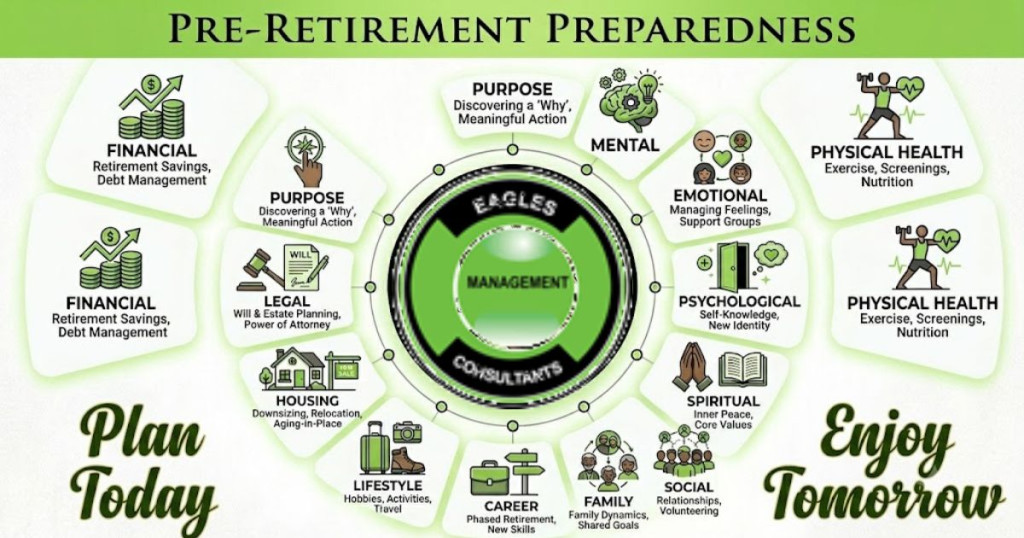
A comprehensive retirement training program covers both financial and non-financial aspects of retirement.
1. Financial Planning for Retirement.
Financial planning forms the foundation of successful retirement preparation. Without a clear financial strategy, retirees may struggle to maintain their desired lifestyle after leaving employment.
Participants learn how to create retirement budgets, estimate future expenses, calculate retirement income needs and manage financial risks. Training also covers inflation, debt management, emergency funds and long-term financial sustainability.
By understanding these concepts, retirees can make informed financial decisions and avoid unnecessary financial stress.
2. Pension and Retirement Benefits Management.
Many employees do not fully understand their pension benefits until they approach retirement. This lack of knowledge can result in poor financial decisions.
Retirement training helps participants understand pension schemes, gratuity payments, retirement benefit options, NSSF benefits and employer-sponsored retirement plans. Employees learn how to maximize available benefits and develop strategies for using these resources effectively after retirement.
3. Investment Planning for Retirement.
Investments can provide valuable income during retirement. Therefore, retirees need to understand the opportunities and risks associated with different investment options.
Training programs often discuss:
- Real estate investments.
- Money market funds.
- Unit trusts.
- SACCO investments.
- Treasury bonds.
- Agribusiness opportunities.
- Dividend-paying investments.
Participants learn how to build diversified investment portfolios that support long-term financial security.
4. Health and Wellness Planning.
Good health is one of the most important assets during retirement. Unfortunately, healthcare needs often increase with age. Therefore, retirement preparation should include a comprehensive health and wellness strategy.
Training programs discuss healthy eating, regular exercise, preventive healthcare, stress management and health insurance planning. Participants learn how healthy lifestyle choices can improve quality of life and reduce future medical expenses.
5. Emotional and Psychological Preparation for Retirement.
Retirement can create emotional challenges, particularly for individuals whose identity has been closely tied to their careers. Some retirees experience loneliness, boredom or a loss of purpose after leaving employment.
Pre-retirement training helps participants understand these challenges and develop strategies for adapting successfully. Individuals learn how to establish new routines, maintain social connections, pursue personal interests and stay mentally active.
This preparation contributes significantly to long-term happiness and life satisfaction.
6. Entrepreneurship and Income-Generating Opportunities.
Many retirees seek additional income sources to supplement their pension and savings. Entrepreneurship provides an excellent opportunity to remain active while generating income.
Training programs explore:
- Small business opportunities.
- Consulting services.
- Agribusiness ventures.
- Online businesses.
- Franchise opportunities.
- Professional coaching services.
Participants gain practical insights into identifying and managing suitable business opportunities.
7. Estate Planning and Wealth Transfer.
Estate planning helps retirees protect their assets and ensure that their wishes are respected.
Training typically covers:
- Will writing.
- Succession planning.
- Trust creation.
- Asset protection.
- Family wealth transfer.
These topics help individuals preserve wealth and minimize future disputes among family members.
Common Retirement Mistakes to Avoid.
Many retirees encounter difficulties because they make avoidable mistakes during retirement planning.
Common mistakes include:
- Delaying retirement planning.
- Depending on a single income source.
- Ignoring healthcare costs.
- Failing to create a retirement budget.
- Neglecting estate planning.
- Underestimating inflation.
- Withdrawing retirement savings too quickly.
Retirement training helps participants recognize these risks and develop strategies to avoid them.
How to Prepare for Retirement Successfully.
Successful retirement preparation requires a proactive and structured approach.
1. Start Planning Early.
One of the most important retirement planning principles is starting early. Employees who begin preparing several years before retirement have more time to build savings, grow investments and make adjustments to their financial plans. Early planning also provides flexibility when making decisions about housing, healthcare, lifestyle and income generation after retirement.
2. Review Your Financial Position.
Before retirement, individuals should conduct a thorough review of their financial situation. This includes evaluating pension benefits, savings accounts, investments, insurance policies, debts and expected retirement income. Understanding your financial position helps identify strengths, weaknesses and areas that require improvement.
3. Develop Clear Retirement Goals.
Retirement should have purpose and direction. Therefore, individuals should define personal goals related to travel, family, community involvement, hobbies, education or entrepreneurship. Clear goals help create a meaningful and fulfilling retirement experience.
4. Build Multiple Income Streams.
Relying solely on pension income may limit financial flexibility. Therefore, retirees should consider building multiple income streams through investments, rental properties, consulting services, agribusiness ventures or small businesses. Diversified income sources improve long-term financial stability.
5. Prioritize Your Health.
Good health contributes directly to retirement enjoyment and financial security. Individuals should adopt healthy lifestyles, attend regular medical checkups, maintain health insurance coverage and manage stress effectively. Healthy retirees are often more active, independent and financially secure.
6. Continue Learning and Growing.
Retirement does not mean personal growth should stop. Many retirees pursue new skills, educational opportunities, volunteer work and personal development activities. Lifelong learning keeps the mind active and supports overall well-being.
Why Organizations Should Invest in Pre Retirement Training.
Organizations that provide retirement preparation programs demonstrate a commitment to employee well-being.
Benefits include:
- Improved employee morale.
- Better workforce transition planning.
- Stronger succession management.
- Enhanced employer reputation.
- Increased employee loyalty.
- Reduced retirement-related anxiety.
Furthermore, retirement training helps organizations preserve institutional knowledge and prepare future leaders.
Why Choose www.eaglesconsultants.com for Training Kenya?
www.eaglesconsultants.com provides professional retirement planning programs tailored to the needs of organizations and individuals across Kenya.
Key advantages include:
- Experienced retirement trainers.
- Practical retirement planning solutions.
- Financial literacy workshops.
- Pension education programs.
- Investment planning guidance.
- Health and wellness training.
- Entrepreneurship development sessions.
- Customized organizational programs.
The programs are designed to help participants retire with confidence, purpose and financial security.
Conclusion.
Pre Retirement Training Kenya is a critical investment for employees approaching retirement. Proper preparation helps individuals manage finances, maintain good health, develop meaningful goals and navigate life after work successfully. Through professional training, employees gain the knowledge and confidence needed to enjoy a secure and fulfilling retirement.
Whether you are an organization planning employee retirement programs or an individual preparing for the future, www.eaglesconsultants.com offers comprehensive retirement training solutions designed to support long-term success.
Frequently Asked Questions About Pre Retirement Training Kenya.
1. What is Pre Retirement Training Kenya?
It is a professional training program that helps employees prepare financially, emotionally, socially and physically for retirement.
2. When should someone attend pre-retirement training?
Ideally, employees should begin retirement preparation several years before their expected retirement date.
3. What topics are covered during retirement training?
Topics include financial planning, pension management, investments, health and wellness, entrepreneurship, estate planning and lifestyle preparation.
4. Why is retirement planning important?
Retirement planning helps individuals maintain financial security, reduce stress and enjoy a better quality of life after leaving employment.
5. Can organizations arrange retirement training for employees?
Yes. Many organizations provide retirement preparation programs as part of employee development and wellness initiatives.
6. Where can I access professional Pre Retirement Training Kenya services?
Professional retirement planning and training programs are available through www.eaglesconsultants.com.