

A great business is built by great people. In today’s highly competitive market, having a team that simply shows up to work is no longer enough to guarantee business growth. You need a motivated, skilled and adaptable workforce to stay ahead of industry changes, satisfy clients and deliver exceptional operational results. This is exactly where professional staff training programs in Kenya come in. Training is not just a routine human resource checklist item; it is a direct, calculated investment in the future and profitability of your company.
When you equip your employees with the right knowledge and practical skills, you empower them to solve problems faster, serve customers better and work together in absolute harmony. Unfortunately, many organizations wait until there is a major performance gap or a severe drop in sales before they start looking for corporate training companies in Kenya. Proactive companies, however, use regular training as a strategic tool to build an unstoppable, highly productive workforce.
In this comprehensive and detailed guide, we will explore why continuous employee development matters, the top trending courses available for your team and how partnering with the trusted experts at www.eaglesconsultants.com can completely transform your organization’s daily performance.
The Importance of Staff Training Programs in Kenya.
The modern workplace is changing rapidly. What worked five years ago may not work today. To keep your company moving forward, your staff must grow alongside the business. Investing in regular training programs provides massive benefits that go far beyond just learning a new skill on a Friday afternoon.
Firstly, regular training improves overall employee efficiency. When staff members understand exactly how to perform their duties using the latest industry standards, they complete their tasks much faster and make fewer mistakes. This reduction in errors saves the company valuable time and money. It also eliminates the need for managers to constantly micromanage their teams, allowing leadership to focus on long-term strategic growth.
Secondly, consistent training is one of the best ways to boost employee morale and job satisfaction. Employees want to feel valued. When a company invests money in professional development courses in Nairobi, it sends a clear message to the staff that their career growth matters. This feeling of being valued significantly increases staff retention rates. It is much cheaper to train and keep your current employees than it is to constantly hire and onboard new ones.
Finally, proper training creates a culture of innovation. Exposing your team to new ideas, fresh industry trends and modern problem-solving techniques encourages them to think outside the box. A well-trained team will proactively suggest better ways to streamline operations, cut costs, and improve the quality of your services.

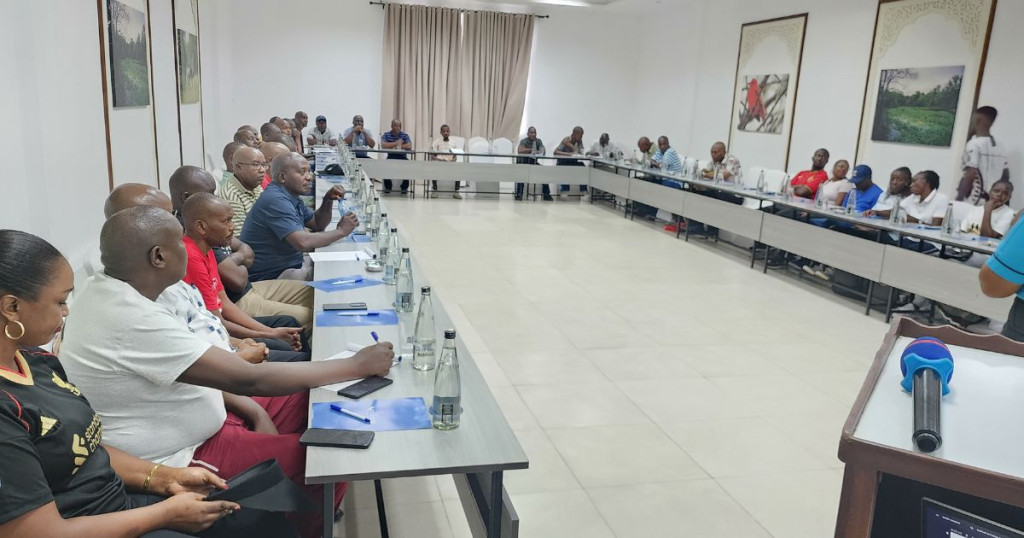
Top Corporate Training Programs to Transform Your Team.
Not all training programs yield the same results. To get the highest return on investment, you must select the right courses tailored to your organizational goals. Here are the most impactful staff training programs available today.
1. Leadership and Management Training Kenya.
A company can only go as far as its leaders can take it. Leadership and management training is absolutely critical for both new supervisors and experienced executives. These programs focus on teaching managers how to properly motivate their teams, handle workplace conflicts and make firm, strategic decisions under pressure. Effective leaders do not just give orders; they inspire their workforce to perform at their highest potential. By developing strong internal leaders, your company ensures smooth succession planning and stable guidance during tough economic seasons.
2. Customer Service Training Kenya.
Customers are the lifeblood of any business. In a world where consumers have endless choices, excellent service is the only way to stand out. Customer service training equips your frontline staff with the patience, communication skills and emotional intelligence needed to handle demanding clients. Employees learn how to resolve complaints professionally, turn negative experiences into positive ones and build lasting customer loyalty. A team that knows how to treat clients well will directly increase your company’s revenue through repeat business and strong word-of-mouth referrals.
3. Sales Skills Training.
No matter how great your product or service is, you need a capable team to sell it. Sales training goes beyond simply asking people to buy. It teaches your staff how to identify customer needs, handle rejections, negotiate effectively and confidently close deals. Modern sales training also incorporates digital selling techniques and psychology, helping your team understand exactly what drives a buyer to make a decision. Investing in sales training translates to immediate, measurable growth in your profit margins.
4. Team Building and Collaboration Workshops.
A group of highly talented individuals will fail if they cannot work together. Team building programs are designed to break down communication barriers and build deep trust among colleagues. These workshops pull employees out of their normal office environment and place them in collaborative scenarios where they must rely on each other to succeed. Improved teamwork leads to a more positive company culture, faster project completion and a massive reduction in toxic office politics.
5. Change Management Training in Kenya.
The business world is unpredictable. Whether you are introducing new software, restructuring departments or merging with another company, change can cause panic and resistance among staff. Change management training prepares your employees to handle transitions smoothly. It teaches resilience, adaptability and open-mindedness. When your team embraces change rather than fighting it, your company can pivot quickly and take advantage of new market opportunities without missing a beat.
6. Digital Skills and Technology Integration.
We are living in the digital age. Employees must be comfortable using modern technology to remain productive. Digital skills training covers everything from basic software usage and data management to advanced cybersecurity protocols. When your team knows how to properly leverage technology and artificial intelligence tools, they can automate repetitive tasks, secure company data and improve the overall speed of your business operations.
How Training Boosts Workforce Productivity Kenya.
There is a direct link between structured learning and high workforce productivity. When an employee is struggling to understand their role or lacks the proper tools to execute their duties, their daily output drops. They become frustrated, easily distracted and disengaged.
Corporate training removes these roadblocks. By providing clear guidance and practical skills, employees gain the confidence needed to tackle their daily assignments aggressively. They spend less time asking for help and more time producing high-quality work. Furthermore, cross-training employees in different departments ensures that your business does not grind to a halt if a key staff member is absent.
Productivity is not about working longer hours; it is about working smarter. Professional training programs teach employees vital time management skills, helping them prioritize urgent tasks and avoid workplace distractions. The result is a highly efficient machine where every gear turns perfectly.
The Role of Emotional Intelligence Training.
While technical skills are important for getting the job done, soft skills are what keep the workplace functioning smoothly. Emotional intelligence (EQ) is the ability to understand and manage your own emotions, as well as the emotions of the people around you.
Emotional intelligence training is quickly becoming one of the most requested professional development courses in Nairobi. Employees with high EQ handle workplace stress better, communicate their frustrations respectfully and are much easier to work with. They do not let personal ego get in the way of company goals. By training your staff on emotional intelligence, you drastically reduce workplace drama, improve mental health awareness and foster a highly supportive, collaborative office environment.
Corporate Training Trends for 2026.
The landscape of employee education is evolving. To keep your team competitive in 2026, it is important to understand how training methods are shifting.
1. The Rise of Hybrid Learning: Companies are moving away from purely classroom-based learning. The modern trend combines in-person, practical workshops with online, self-paced modules. This allows employees to learn at their own speed without taking too much time away from their desks.
2. Focus on Mental Health and Wellness: Employee burnout is a major threat to productivity. Forward-thinking companies are integrating mental health awareness and financial wellness into their standard corporate training packages to ensure their staff remains healthy and focused.
3. Artificial Intelligence in the Workplace: As AI tools become more common, businesses are aggressively training their staff on how to use AI to generate reports, analyze data and streamline workflows.
Choosing the Right Corporate Training Companies in Kenya.
Not every training provider can deliver the results you need. A poorly executed training session is simply a waste of company time and money. When choosing a partner to develop your staff, you need a firm with proven experience, industry knowledge and a practical approach to adult learning.
You should look for a provider that refuses to offer “one-size-fits-all” solutions. Every business has unique challenges and your training should reflect that. The best consultants will take the time to understand your specific performance gaps before designing a curriculum.
This is why top organizations trust www.eaglesconsultants.com. Eagles Consultants is a premier human resource management and training firm dedicated to building high-performing teams. They offer highly customized, interactive and result-oriented corporate training programs. Their expert facilitators use real-world scenarios, engaging group discussions and practical exercises to ensure that the knowledge shared in the training room is actually applied in the workplace.
Steps to Implement a Successful Training Program.
To get the most out of your staff training programs in Kenya, you must implement them strategically. Here is a simple, step-by-step guide to ensuring your next training session is a massive success.
Step 1: Identify the Performance Gap.
Before booking a training session, analyze your business. Are sales dropping? Are customer complaints increasing? Is there friction between departments? Identify the exact problem you need to solve.
Step 2: Set Clear, Measurable Goals.
Determine what success looks like. If you are conducting sales skills training, your goal might be to increase closing rates by 15% over the next quarter. Having clear metrics allows you to measure the ROI of the training.
Step 3: Partner with Expert Facilitators.
Reach out to proven professionals like www.eaglesconsultants.com to design a customized training module that addresses your specific gaps and aligns with your corporate culture.
Step 4: Engage the Employees.
Do not just force employees into a boardroom. Explain to them why the training is happening and how it will benefit their personal career growth. An eager learner absorbs much more information than a forced participant.
Step 5: Follow Up and Evaluate.
Training does not end when the session is over. Management must follow up with employees to ensure they are applying the newly learned skills. Provide ongoing coaching, celebrate small wins and measure the long-term impact on your company’s productivity.
Frequently Asked Questions (FAQs) about Staff Training Programs in Kenya.
1. What are staff training programs in Kenya?
Staff training programs are structured educational courses designed to improve the specific skills, knowledge and efficiency of employees. They range from leadership development to customer service and technical skills enhancement.
2. Why is corporate training important for my business?
Corporate training improves employee performance, boosts workplace morale, reduces staff turnover and ensures your company remains highly competitive and profitable in your respective industry.
3. How often should a company train its employees?
While continuous learning should be encouraged daily, formal corporate training sessions should ideally be conducted at least twice a year to keep skills sharp and align staff with new company goals.
4. What is the best training for new managers?
Leadership and management training is the best option for new supervisors. It teaches them how to delegate tasks, handle conflicts and transition from being a peer to being an effective leader.
5. How do I know which training my staff needs?
You can identify training needs by reviewing employee performance appraisals, analyzing customer feedback, noting operational bottlenecks or conducting internal staff surveys.
6. Can www.eaglesconsultants.com customize training for my specific industry?
Yes, Eagles Consultants specializes in creating tailor-made training solutions that directly address the unique challenges and operational standards of your specific industry and company size.
7. Does staff training really improve employee retention?
Absolutely. Employees are far less likely to leave a company that actively invests in their personal and professional growth. Training makes them feel valued and secure in their career paths.
8. What is the difference between hard skills and soft skills training?
Hard skills training focuses on technical abilities, like using specific software or machinery. Soft skills training focuses on interpersonal abilities, like emotional intelligence, communication and teamwork. Both are vital for a productive workforce.
9. How do we measure the success of a training program?
Success can be measured by tracking key performance indicators (KPIs) before and after the training. Look for increases in sales, improved customer satisfaction scores, fewer operational errors and better team collaboration.
10. Are team building activities considered staff training?
Yes. While team building is highly engaging and fun, properly facilitated team building sessions teach vital lessons in trust, communication, strategic planning, and collaborative problem-solving.
Conclusion: staff training programs in Kenya.
Building a productive, high-performing workforce does not happen by accident. It requires a deliberate, ongoing commitment to developing your people. By investing in top-tier staff training programs in Kenya, you equip your team with the tools, confidence and collaborative spirit they need to drive your business forward. Do not let your company fall behind the competition due to outdated skills or poor workplace communication. Take charge of your organization’s future today. Visit www.eaglesconsultants.com to explore expert, customized corporate training solutions that will elevate your team and maximize your overall business productivity.