Implementing a structured framework for employee development in Kenya is the single most effective way to stop your best workers from leaving. In today’s highly dynamic corporate environment, talent poaching is at an all-time high. Businesses across Nairobi, Mombasa and Kisumu are constantly competing for the same pool of highly skilled professionals.
If your organization only offers a paycheck without a clear path for professional growth, your top performers will quickly look for opportunities elsewhere. High employee turnover ruins workplace morale, disrupts daily operations, and costs millions in recruitment.
To build a stable, highly motivated workforce and protect your business from costly talent drains, partnering with leading HR experts is critical. Visit www.eaglesconsultants.com today to explore customized training solutions that keep your best assets engaged and committed to your long-term vision.
Why Top Talent Leaves Kenyan Businesses.
Understanding why your best workers leave is the first step toward building effective talent retention strategies. Many business leaders mistakenly believe that salary is the only factor that drives employee turnover. While competitive compensation is important, modern professionals prioritize their career trajectory.
The primary reasons for high staff turnover include:
- Career Stagnation: Employees feel trapped in their roles with no visible path for promotion or skill expansion.
- Lack of Proper Tools: Staff members are forced to work with outdated technologies or processes without adequate training.
- Poor Leadership Culture: Managers who lack basic emotional intelligence and delegation skills cause widespread frustration.
- Burnout and Stress: Heavy workloads combined with zero focus on employee wellness lead to high absenteeism and eventual resignation.
When these factors combine, your most productive workers become vulnerable to offers from competitors who actively invest in workforce development.
The Direct Link Between Upskilling and Retention.
Investing in comprehensive staff training programs does more than just improve technical performance. It fundamentally shifts how employees view their relationship with your brand.
When a company funds a worker’s professional development, it sends a powerful psychological signal. The employee realizes that the organization values their future and is actively investing in their career growth.
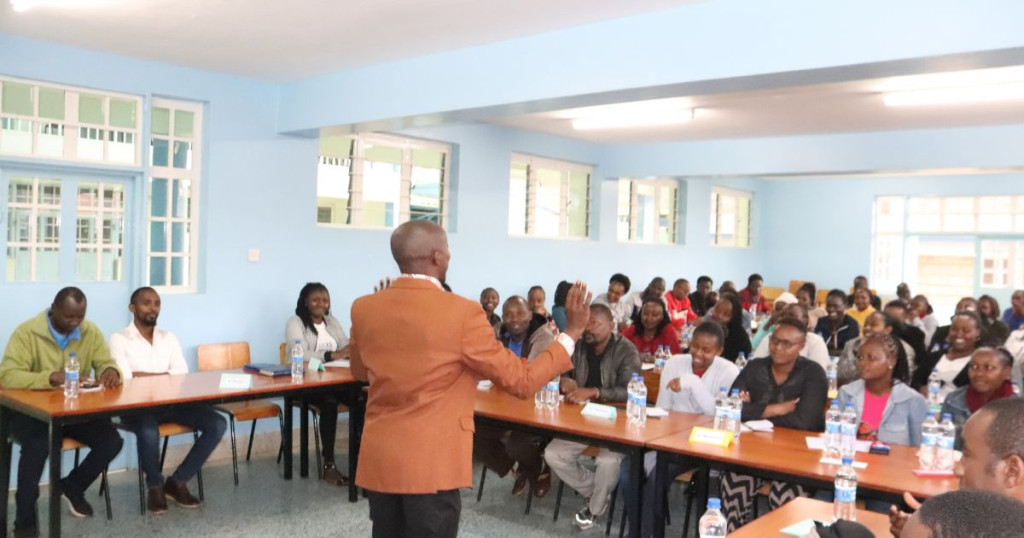
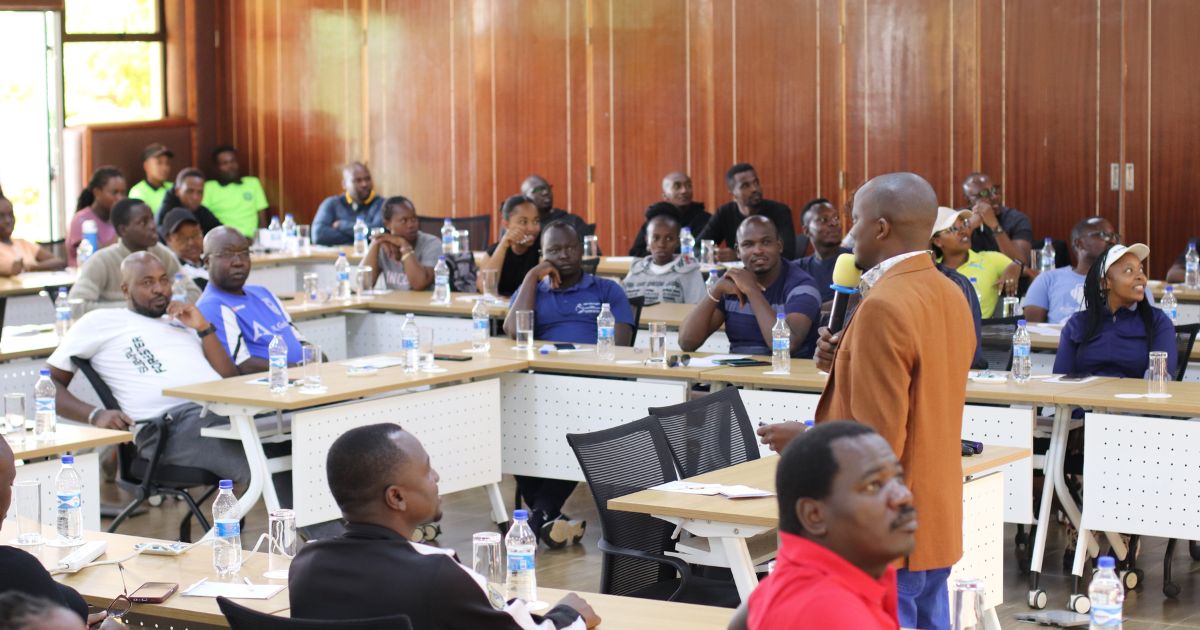
As shown above, interactive and visual learning environments keep teams highly engaged. Workers who participate in regular skills development programs demonstrate significantly higher levels of job satisfaction. They are less likely to browse job boards because their current workplace satisfies their natural desire for learning and advancement.
7 Proven Strategies for Employee Development in Kenya.
To build an agile and loyal workforce, you need a proactive, multi-layered approach. Here are seven field-tested strategies that leading Kenyan organizations use to keep their top talent.
1. Leverage Tailored Corporate Training Programs.
Generic, off-the-shelf training videos rarely work. To keep your team sharp, you must provide industry-specific training that solves actual daily challenges. Partnering with professional corporate training companies in Kenya ensures your curriculum aligns with local market realities. Tailored programs help workers master new digital tools, optimize workflows and reduce costly operating errors.
2. Implement Leadership Fast-Tracking.
Do not wait for senior management roles to open up before you start training your future executives. Identify high-potential employees early in their tenure. Enroll them in specialized leadership and management training programs. Teaching them strategic thinking, budget management and conflict resolution prepares them to step into leadership roles seamlessly when the time comes.
3. Establish Structured Mentorship Networks.
Pairing younger or less experienced staff with seasoned internal mentors costs very little but yields massive results. Mentorship encourages cross-departmental collaboration and breaks down formal workplace silos. It gives employees a safe space to ask questions, seek career advice and learn the unwritten rules of your industry, significantly boosting their sense of belonging.
4. Create Visible Career Progression Paths.
An employee should never have to guess what it takes to get a promotion. Work closely with your HR department to map out transparent career tracks for every department.
Clearly define the specific skills, performance metrics and certifications required to move from an entry-level position to a senior role. When workers see a clear road ahead, they stay focused on achieving their goals within your company.
5. Prioritize Comprehensive Employee Wellness.
A stressed workforce is an unstable workforce. Modern employee development must address the whole person, not just their professional output.
Introduce holistic wellness initiatives that cover:
- Mental Health Support: Workshops on managing stress, avoiding burnout and building emotional resilience.
- Financial Literacy Training: Helping staff manage personal budgets, debts and investments to reduce personal financial anxiety.
- Work-Life Balance: Offering clear boundaries regarding after-hours communication and respecting personal time.
6. Revamp Your Performance Management Systems.
Annual performance reviews are outdated and largely ineffective. Instead, shift to a culture of continuous feedback. Use modern performance management frameworks that encourage monthly or bi-weekly check-ins between managers and team members. These casual touchpoints allow leaders to praise great work instantly, correct mistakes early and adjust development plans in real time.
7. Embrace Hybrid and Flexible Learning.
With the rise of remote and hybrid work models, forcing employees into long, rigid classroom seminars can cause unnecessary friction. Offer a mix of learning delivery methods. Combine physical team-building retreats with online, on-demand modules that employees can complete at their own pace. This flexibility shows respect for their time and increases overall training completion rates.
Step-by-Step Guide to Launching a Development Framework.
Building an effective development plan requires a systematic, step-by-step approach to avoid wasting corporate resources.
Follow this chronological sequence to design a high-ROI development framework for your team.
Measuring the Financial Impact of Employee Growth.
Many corporate executives hesitate to fund development initiatives because they struggle to calculate the direct financial return. However, the data clearly shows that structured upskilling saves money.
Here is a quick look at the typical corporate metrics impacted by professional development:
| Performance Metric | Before Structured Development | After Structured Development | Financial Impact |
| Annual Staff Turnover Rate | 15% – 25% average loss | Reduced to under 5% | Saves millions in recruitment and onboarding fees. |
| Project Completion Time | Frequent delays due to skill gaps | 30% faster execution | Boosts client satisfaction and increases output. |
| Managerial Productivity | High micromanagement and friction | Autonomous, efficient teams | Frees up executives to focus on scaling business operations. |
| Frontline Error Rates | Costly operational mistakes | 45% reduction in errors | Protects brand reputation and saves material costs. |
Why Choose Eagles Consultants for Employee Development in Kenya.
If you want to move away from generic lectures and implement truly transformative career development paths, working with verified local market leaders is essential. When looking for premier HR consultants in Nairobi, your organization needs a partner that understands the delicate balance between business metrics and human psychology.
This is exactly where Eagles Consultants excels:
- Over close to a Decade of Practical Experience: Founded in 2017, they have spent years studying the unique workspace dynamics within East Africa.
- Vast Portfolio of Satisfied Clients: Trusted by over 100+ top-tier corporate companies across diverse industries.
- 98% Program Success Rate: Their interactive, practical learning methodologies ensure maximum information retention and behavioral change.
- Fully NITA Accredited: Partnering with them means your corporate training investments are eligible for official government levy reimbursements.
- End-to-End Solutions: From baseline psychometric assessments and customized sales training to high-impact outdoor team-building experiences, they cover all aspects of workforce optimization.
10 Frequently Asked Questions (FAQs): Employee Development in Kenya.
1. What is the main objective of employee development in Kenya?
The main objective is to continuously upgrade the skills, knowledge and emotional intelligence of your workforce. This ensures your team remains highly productive, compliant with local laws and deeply loyal to your company.
2. How does professional training directly improve staff retention?
Training shows your employees that they have a future within your organization. When workers see that your business actively funds their personal and professional growth, they are highly unlikely to leave for competing roles.
3. Can small business startups afford professional HR development packages?
Yes, professional development is highly scalable. Startups can choose short, targeted micro-learning sessions, virtual workshops or focused soft-skills coaching that fits smaller operational budgets perfectly.
4. What does NITA accreditation mean for my corporate budget?
NITA accreditation means the training provider is officially certified by the National Industrial Training Authority. This status allows your business to claim financial reimbursements for your training expenses via the industrial training levy.
5. How often should our company conduct formal team-building sessions?
For maximum impact on team cohesion, major off-site team-building activities should happen at least once or twice a year. However, smaller internal connection exercises should be integrated into your monthly operations.
6. Why are soft skills considered vital for employee development?
While technical skills allow workers to execute specific tasks, soft skills like communication, time management and empathy dictate how well they collaborate. High soft-skills proficiency drastically reduces internal workplace conflict.
7. How do we accurately measure the ROI of our staff training investments?
You can measure ROI by tracking specific operational metrics before and after the training. Look for drops in employee turnover, increases in sales volumes, faster project turnaround times or higher customer satisfaction ratings.
8. Are online corporate training modules as effective as physical workshops?
Yes, virtual training can be incredibly effective if it is highly interactive. Using live polling, digital breakout rooms and real-time case study reviews ensures virtual learners remain just as focused as classroom participants.
9. What are the signs that our company needs an immediate HR intervention?
Clear signs include a sudden spike in employee resignations, low energy and motivation levels during meetings, rising customer complaints, missed project deadlines and frequent unresolved disputes between departments.
10. What specific corporate development modules does www.eaglesconsultants.com offer?
They offer a robust suite of customized programs including advanced leadership development, customer experience mastery, elite sales training, personal finance wellness and high-impact outdoor team-building packages.
Conclusion: Employee Development in Kenya.
In the fast-moving Kenyan corporate arena, your business is only as strong as your human capital. Relying on basic salaries alone to keep your top performers happy is an outdated strategy that often results in losing your best talent to more forward-thinking competitors. True, lasting market dominance is achieved by building an environment where employees are consistently learning, growing and thriving.
Investing in structured career paths, wellness programs and tailored skill development transforms your workplace culture into a talent magnet. Do not wait for your best managers or top-performing sales executives to hand in their resignation letters before you take action.
Partner with the leading HR and corporate training specialists in the region. Visit www.eaglesconsultants.com right now to schedule a comprehensive workforce assessment and start building a high-retention corporate strategy that secures your company’s future success.