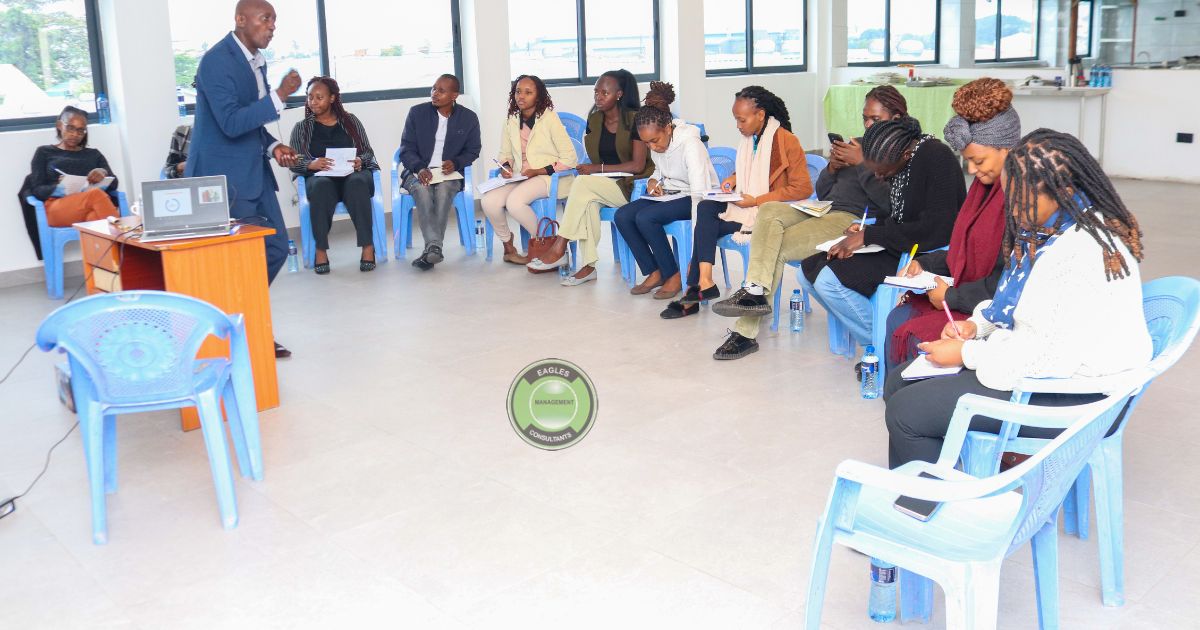
Is your company struggling to keep up with fast-changing industry trends while dealing with high employee turnover? The modern workplace requires continuous learning and implementing effective Staff Development Programs in Kenya is the proven way to build a skilled, future-ready workforce. For organizations aiming to foster talent and drive long-term business growth, partnering with HR experts at www.eaglesconsultants.com ensures your team receives the structured, high-quality corporate training needed to stay competitive.
Why Capacity Building Matters for Kenyan Businesses.
The business landscape in Kenya is highly dynamic. Technological advancements, shifting customer expectations and a highly competitive talent market mean that the skills that worked a few years ago might not be enough today. Employee training is no longer an optional perk; it is a strategic necessity. When companies invest in their employees through structured learning, they create a culture of continuous improvement that directly impacts the bottom line.
Organizations that prioritize workforce upskilling consistently report higher employee retention rates. When staff members see that their employer is actively investing in their professional growth, job satisfaction increases and the desire to seek opportunities elsewhere drops significantly. This saves businesses the heavy estimated costs associated with frequent recruitment and onboarding. Furthermore, well-trained employees complete their tasks more efficiently, require less micromanagement, and bring innovative problem-solving skills to the table.
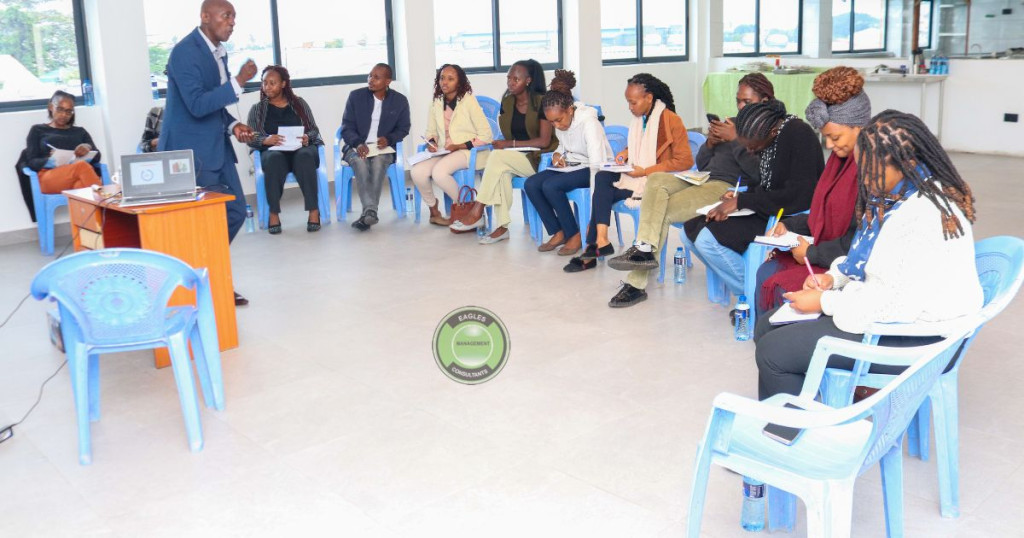

Core Focus Areas for Staff Development Programs in Kenya.
A successful capacity building strategy does not rely on a one-size-fits-all approach. Different departments and career levels require tailored corporate training solutions. Partnering with a reliable firm like www.eaglesconsultants.com allows you to customize training to bridge specific skill gaps within your organization.
Below is a structured overview of the most critical training areas for modern businesses:
| Training Category | Target Audience | Core Objectives |
| Leadership Development | Managers & Supervisors | Building succession pipelines, improving strategic decision-making and mastering change management. |
| Customer Service Excellence | Frontline Staff & Sales | Enhancing client relations, managing complaints professionally and driving customer retention. |
| Soft Skills & Communication | All Employees | Improving emotional intelligence, teamwork, time management and conflict resolution. |
| Technical & Digital Skills | Specialized Departments | Adapting to new software, understanding data analytics and improving digital literacy. |
| Compliance & Health | Operations & HR | Ensuring adherence to labor laws, promoting workplace safety and maintaining ethical standards. |
The ROI of Investing in Professional Development.
When executives consider implementing comprehensive performance management and training systems, the discussion often turns to budget. It is essential to view these programs not as an expense, but as a high-yielding investment. While the exact investment relies on indicative price ranges based on the size of your team and the depth of the curriculum, the return on investment (ROI) is highly visible.
1. Increased Productivity and Efficiency.
Employees who thoroughly understand their roles, tools, and internal processes achieve more in less time. Training reduces error rates and streamlines operations, meaning your workforce can handle higher capacities without sacrificing quality.
2. Internal Succession Planning.
Promoting from within is generally more cost-effective than hiring external executives. Staff development programs help you identify natural leaders and equip them with the management skills needed to take over critical roles when current leaders transition out.
3. Adapting to Technological Changes
As artificial intelligence and digital tools reshape industries, companies must ensure their teams can utilize these new resources. Upskilling your workforce prepares them to leverage modern technology, keeping your business agile and responsive to market shifts.
Emerging Trends in Corporate Training.
The way professionals learn is evolving. Traditional, day-long classroom lectures are being supplemented by more engaging and flexible training methods. To ensure high knowledge retention, top HR consulting firms are integrating the following trends into their capacity building programs:
- Microlearning: Delivering training in short, focused bursts rather than long sessions. This allows busy employees to absorb critical information without taking too much time away from their daily tasks.
- Blended Learning Environments: Combining in-person workshops with self-paced digital modules. This provides a flexible learning experience that caters to different learning speeds and remote workers.
- Gamification: Introducing interactive scenarios, quizzes and friendly team challenges into the training curriculum to make learning highly engaging and memorable.
- Data-Driven Assessments: Conducting pre- and post-training evaluations to measure skill improvements and ensure the training delivered tangible results for the business.
How to Choose the Right HR Training Partner.
Selecting the right training provider is critical to the success of your workforce development initiatives. You need a partner who understands the local business environment and can tailor content to your specific industry challenges.
When evaluating potential HR consultants, look for firms that offer practical, interactive and customized learning solutions rather than generic, off-the-shelf presentations. A reliable partner will take the time to conduct a needs assessment for your organization before recommending a curriculum. By working with experienced professionals at www.eaglesconsultants.com, you gain access to expert facilitators who know how to translate theoretical concepts into practical, on-the-job skills that drive your company forward.
10 Frequently Asked Questions (FAQs) About Staff Development Programs in Kenya.
1. What are Staff Development Programs in Kenya?
These are structured learning and training initiatives designed to improve the skills, knowledge and efficiency of employees in the Kenyan workplace, helping businesses remain competitive.
2. Why is employee training important for my business?
Training improves overall productivity, boosts employee morale, reduces staff turnover and ensures your team can adapt to new industry trends and technologies.
3. How do we identify the training needs of our staff?
The best approach is to conduct a professional skills gap analysis. You can schedule a consultation at www.eaglesconsultants.com to help assess your team’s current capabilities versus your business goals.
4. What are the most requested corporate training courses?
Highly requested areas include leadership development, customer service excellence, emotional intelligence, time management and technical digital skills.
5. How much do capacity building programs cost?
Costs operate on indicative price ranges depending on factors like the number of participants, the training format (virtual vs. in-person),and the complexity of the modules. It is best to request a customized, estimated quote based on your needs.
6. Do you offer training for remote or hybrid teams?
Yes, modern HR consulting firms provide blended learning solutions, including virtual instructor-led training and self-paced digital modules, to effectively train geographically dispersed teams.
7. How do we measure the success of a training program?
Success is measured through data-driven assessments, including post-training evaluations, tracking changes in workplace productivity and monitoring improvements in key performance indicators (KPIs).
8. Can training programs be customized for our specific industry?
Absolutely. Effective training is never generic. Providers tailor the curriculum, case studies and practical exercises to reflect the real-world operational realities of your specific sector.
9. What is the difference between hard skills and soft skills training?
Hard skills training focuses on technical abilities like using specific software or machinery. Soft skills training focuses on interpersonal abilities like communication, leadership and teamwork. Both are essential for a well-rounded employee.
10. How often should we conduct team training?
While this depends on your company’s strategic goals, continuous learning is recommended. Many organizations opt for quarterly capacity building workshops combined with ongoing microlearning sessions throughout the year.
Conclusion: Staff Development Programs in Kenya.
Building a high-performing team does not happen by accident; it requires a deliberate and strategic commitment to continuous learning. Implementing robust Staff Development Programs in Kenya is one of the smartest investments a company can make. By equipping your workforce with advanced leadership abilities, technical knowledge and strong soft skills, you create an agile organization ready to overcome modern business challenges and seize new opportunities.
Do not let your company fall behind due to a stagnant skill set. Take a proactive approach to your performance management and team growth today. To design a customized capacity building strategy that aligns perfectly with your corporate objectives, explore the expert HR solutions available at www.eaglesconsultants.com. Invest in your people and they will drive your business to new heights.