
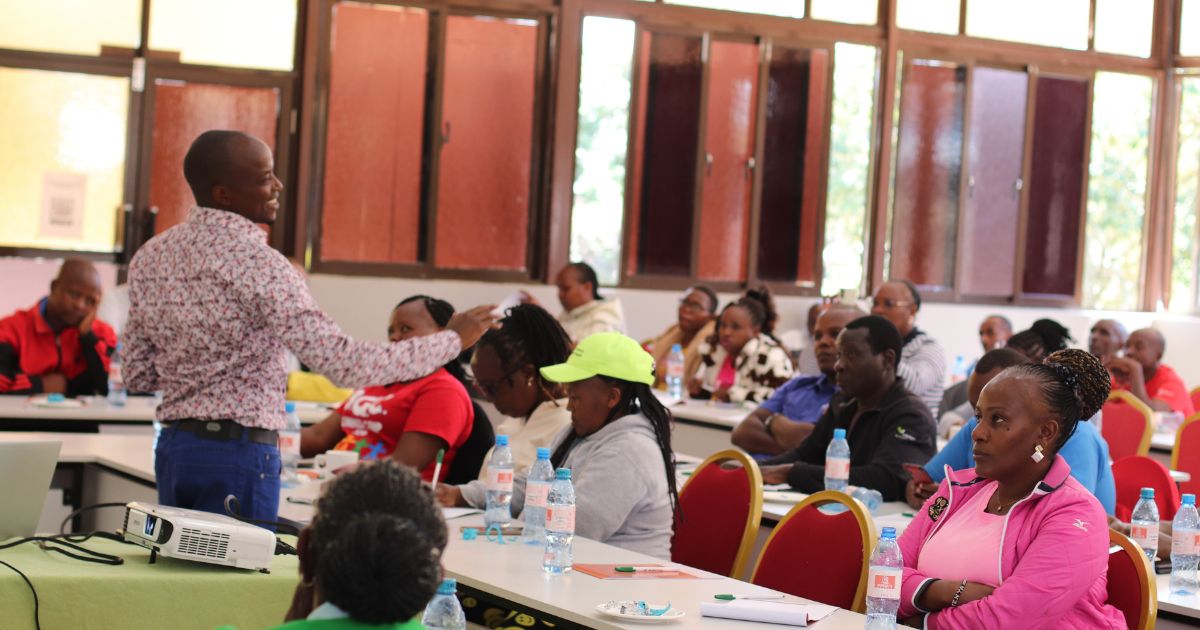
Corporate Governance Training in Kenya has become essential for organizations seeking strong leadership, accountability, transparency and sustainable growth. Today, boards and directors face increasing regulatory requirements, stakeholder expectations and governance challenges. As a result, organizations are investing in governance training to strengthen board effectiveness and improve decision-making.
Whether you are a board member, company director, SACCO leader, NGO executive or senior manager, governance training helps you understand your responsibilities and contribute effectively to organizational success. For professional governance training solutions, visit www.eaglesconsultants.com.
What Is Corporate Governance Training?
Corporate governance training equips board members and directors with the knowledge, skills, and tools needed to govern organizations effectively. The training focuses on leadership, compliance, risk management, strategic oversight, ethics and accountability.
Furthermore, governance training helps organizations align their operations with legal requirements and international best practices.
Key Areas Covered in Corporate Governance Training:
- Board roles and responsibilities.
- Corporate governance principles.
- Strategic leadership.
- Risk management.
- Regulatory compliance.
- Financial oversight.
- Board effectiveness.
- Ethics and integrity.
- Organizational accountability.
- Stakeholder management.
As governance expectations continue to evolve, continuous board development remains critical.
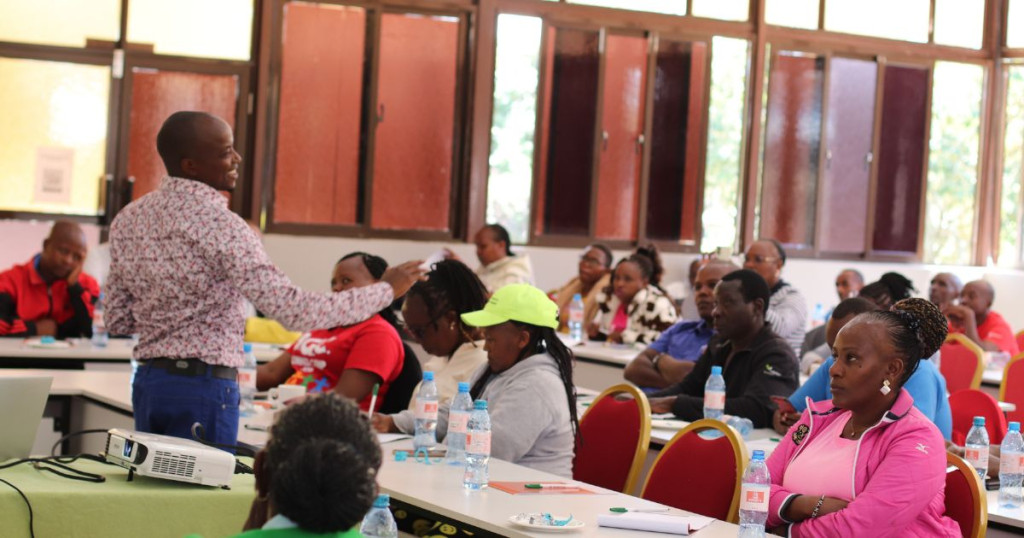
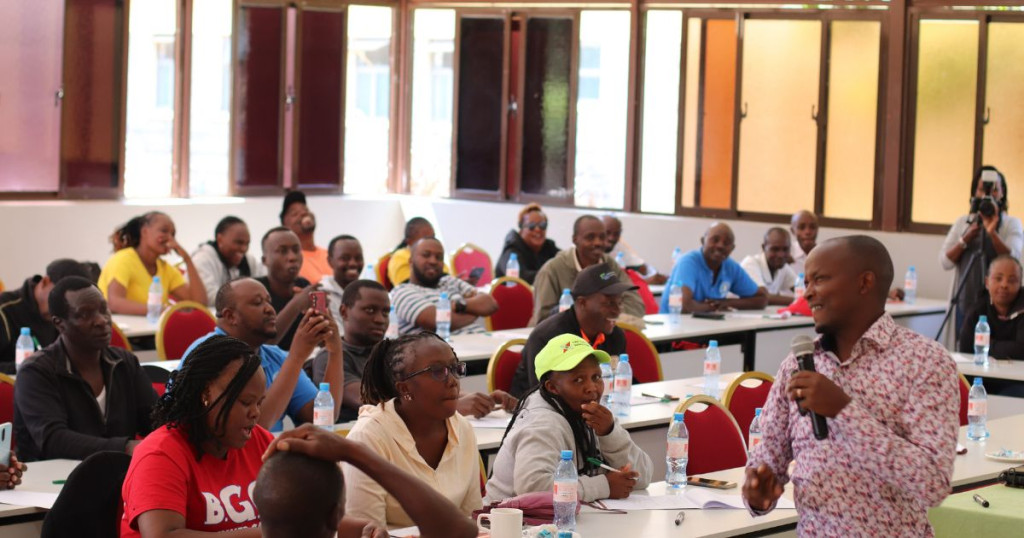
Why Corporate Governance Training in Kenya Is Important.
Organizations with strong governance structures often perform better than those with weak oversight systems. Effective governance improves decision-making, strengthens accountability and enhances stakeholder confidence.
Benefits of Corporate Governance Training:
- Improved board performance.
- Better strategic decision-making.
- Stronger compliance management.
- Enhanced risk oversight.
- Increased transparency.
- Improved accountability.
- Better financial stewardship.
- Reduced governance risks.
- Stronger organizational reputation.
- Increased stakeholder trust.
Therefore, governance training should be a priority for every organization.
Best Practices for Boards and Directors.
1. Clearly Define Roles and Responsibilities.
One of the most important governance practices is ensuring that board members understand their duties. Clear role definitions reduce conflicts and improve accountability. Additionally, directors can focus more effectively on strategic oversight rather than operational management.
2. Strengthen Board Independence.
Independent boards make objective decisions that serve the best interests of the organization.
Strong board independence helps:
- Reduce conflicts of interest.
- Improve oversight.
- Enhance transparency.
- Strengthen accountability.
As a result, organizations benefit from better governance outcomes.
3. Prioritize Risk Management.
Risk management is a critical responsibility of every board. Directors must identify, assess, monitor and manage risks that may affect organizational performance.
Effective governance training helps boards understand:
- Financial risks.
- Operational risks.
- Strategic risks.
- Compliance risks.
- Reputational risks.
Organizations that prioritize risk management are better prepared for uncertainty.
4. Promote Ethical Leadership.
Ethical leadership forms the foundation of good governance. Boards should establish a culture of integrity, fairness and accountability.
Key governance values include:
- Transparency.
- Integrity.
- Accountability.
- Responsibility.
- Fairness.
Consequently, ethical organizations attract investor confidence and stakeholder trust.
5. Improve Board Evaluation Processes.
Regular board evaluations help identify strengths, weaknesses and development opportunities.
Board assessments improve:
- Governance effectiveness.
- Leadership performance.
- Strategic oversight.
- Board accountability.
Therefore, organizations should conduct periodic board evaluations.
Corporate Governance Challenges Facing Organizations in Kenya.
Despite progress in governance practices, many organizations still face significant challenges.
Common governance challenges include:
- Weak board oversight.
- Poor succession planning.
- Limited governance knowledge.
- Conflict of interest issues.
- Inadequate risk management.
- Regulatory compliance gaps.
- Poor board engagement.
- Lack of strategic focus.
Corporate Governance Training in Kenya helps organizations address these challenges effectively.
Who Needs Corporate Governance Training?
Governance training is valuable for a wide range of professionals and organizations.
Target Participants:
- Board members.
- Company directors.
- SACCO board officials.
- NGO boards.
- Cooperative society leaders.
- Senior executives.
- Chief Executive Officers.
- Audit committee members.
- Risk committee members.
- Public sector leaders.
Through training, participants gain practical skills that improve governance performance.
For customized governance programs, organizations can visit www.eaglesconsultants.com.
Key Components of Effective Board Leadership.
Strong boards contribute significantly to organizational success.
Important leadership competencies include:
- Strategic Thinking. Directors must provide long-term direction and oversight.
- Financial Literacy. Board members should understand financial statements, budgeting, and financial controls.
- Decision-Making Skills. Effective governance requires objective and informed decisions.
- Communication Skills. Strong communication improves stakeholder relationships and board effectiveness.
- Regulatory Knowledge. Boards must stay informed about governance regulations and compliance requirements.
These competencies can be strengthened through regular governance training and professional development.
How Governance Training Improves Organizational Performance.
Organizations that invest in governance training often experience measurable improvements.
Benefits include:
- Better leadership.
- Stronger accountability.
- Improved compliance.
- Effective strategic planning.
- Reduced operational risks.
- Improved financial performance.
- Greater stakeholder confidence.
- Enhanced organizational sustainability.
Consequently, governance training becomes a strategic investment rather than an operational expense.
Choosing the Right Corporate Governance Training Provider in Kenya.
When selecting a governance training provider, organizations should consider:
- Industry experience.
- Qualified facilitators.
- Practical governance expertise.
- Customized training programs.
- Strong client references.
- Current governance knowledge.
Professional governance consultants can help boards address emerging governance challenges and implement best practices.
Organizations seeking governance training solutions can explore programs available through www.eaglesconsultants.com.
Conclusion: Corporate Governance Training in Kenya.
Corporate Governance Training in Kenya plays a critical role in strengthening board effectiveness, improving accountability and enhancing organizational performance. As governance expectations continue to increase, boards and directors must continuously develop their knowledge and skills.
By embracing best governance practices, organizations can improve compliance, manage risks effectively, strengthen leadership and achieve long-term success. Investing in governance training is one of the most effective ways to build resilient and high-performing organizations.
Frequently Asked Questions (FAQs).
1. What is Corporate Governance Training in Kenya?
Corporate governance training helps board members and directors improve leadership, compliance, accountability and governance effectiveness.
2. Why is governance training important for directors?
It equips directors with the skills needed for strategic oversight, risk management, compliance and decision-making.
3. Who should attend governance training?
Board members, directors, CEOs, SACCO officials, NGO leaders, audit committee members and senior managers can benefit from governance training.
4. How often should boards undergo governance training?
Boards should participate in governance training regularly to stay updated on emerging governance issues and regulatory changes.
5. Where can organizations find Corporate Governance Training in Kenya?
Organizations can access professional governance training programs through www.eaglesconsultants.com.