

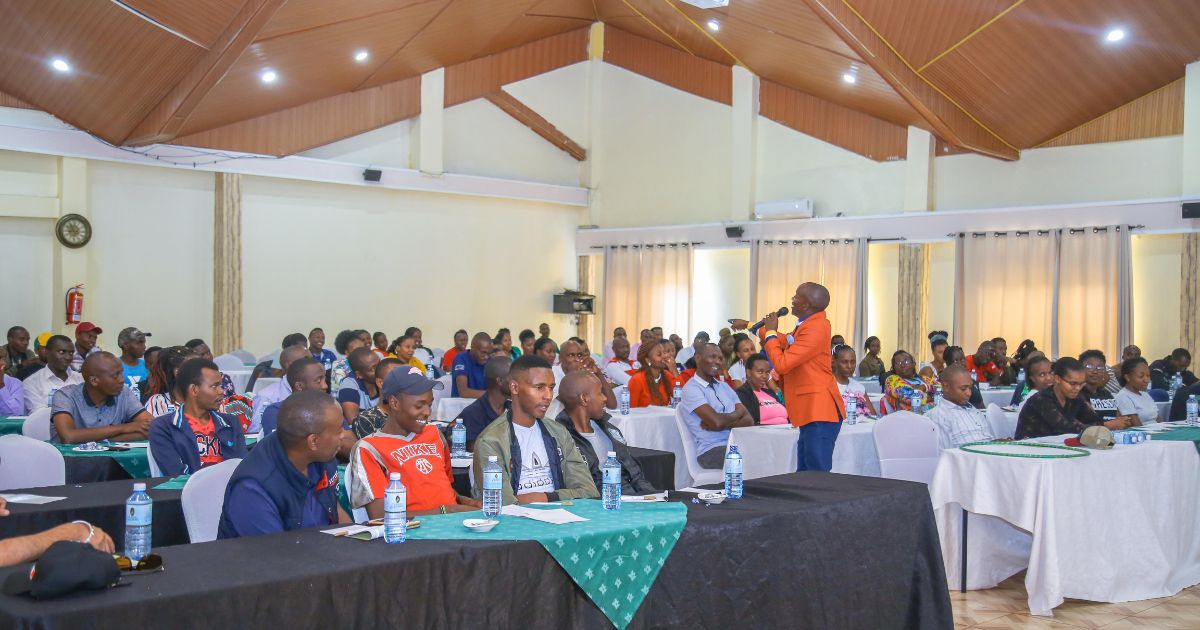
In today’s competitive business environment, leadership requires more than technical knowledge and industry expertise. Leaders must also understand people, manage emotions and build strong workplace relationships. That is why Emotional Intelligence Training in Kenya has become one of the most valuable investments for organizations seeking sustainable growth and long-term success.
Modern workplaces face challenges such as employee disengagement, workplace conflicts, poor communication and resistance to change. Therefore, organizations are increasingly investing in leadership development programs that strengthen emotional intelligence skills.
At www.eaglesconsultants.com, organizations can access professional emotional intelligence training designed to help leaders create high-performing teams, improve employee engagement and drive business results.
What Is Emotional Intelligence?
Emotional intelligence is the ability to recognize, understand, manage and influence emotions effectively. It involves both self-awareness and awareness of others.
Leaders with strong emotional intelligence can:
- Communicate clearly.
- Manage workplace conflicts.
- Build trust among employees.
- Inspire team members.
- Improve workplace morale.
- Make balanced decisions under pressure.
As a result, emotionally intelligent leaders create productive work environments where employees feel valued and motivated.
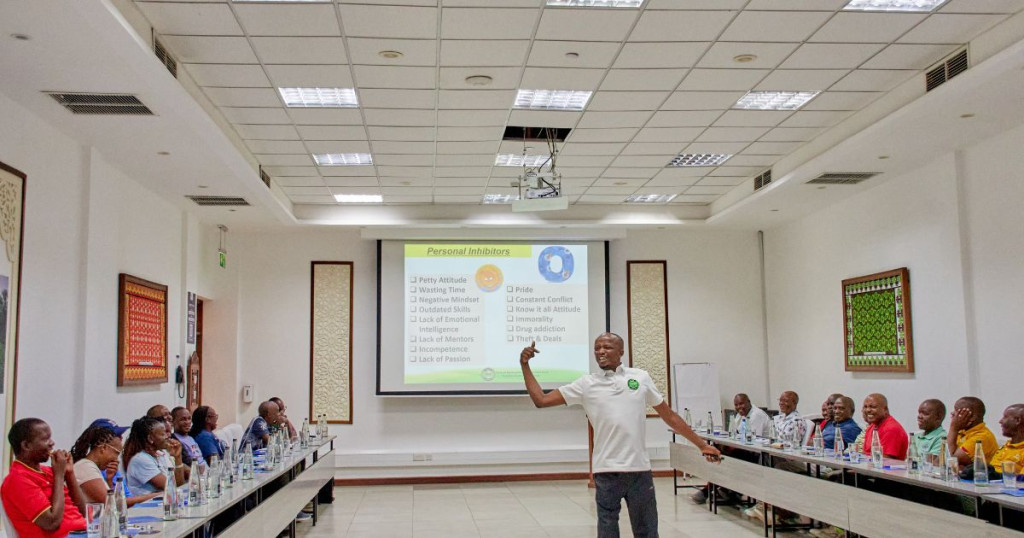
Why Kenyan Organizations Are Investing in Emotional Intelligence Training.
Organizations across Kenya are realizing that leadership success depends heavily on interpersonal skills. While technical competence remains important, emotional intelligence often determines whether a leader can effectively manage teams and deliver results.
Businesses that invest in emotional intelligence training often experience:
- Improved employee performance.
- Better teamwork and collaboration.
- Increased employee retention.
- Stronger workplace culture.
- Higher customer satisfaction.
- Greater organizational resilience.
Consequently, emotional intelligence has become a core component of many leadership development programs in Kenya.
7 Benefits of Emotional Intelligence Training for Leaders.
1. Improved Workplace Communication.
Communication is the foundation of effective leadership. However, poor communication often leads to misunderstandings and reduced productivity.
Emotional intelligence training helps leaders listen actively, communicate clearly, and respond appropriately to workplace situations. Therefore, teams work together more effectively and achieve better outcomes.
2. Better Conflict Resolution.
Conflicts are inevitable in every organization. Nevertheless, emotionally intelligent leaders handle disagreements professionally and constructively. Instead of escalating problems, they focus on understanding different perspectives and finding practical solutions. As a result, workplace harmony improves significantly.
3. Stronger Employee Engagement.
Employees want leaders who understand their concerns and appreciate their contributions. When leaders demonstrate empathy and emotional awareness, employees feel respected and valued. Consequently, engagement levels increase and turnover rates decrease.
4. Enhanced Decision-Making Skills.
Leadership often requires making difficult decisions under pressure. Emotional intelligence helps leaders manage stress and avoid emotional reactions. Therefore, they make thoughtful decisions that support organizational goals.
5. Higher Team Productivity.
Teams perform better when leaders create positive working environments. Emotionally intelligent leaders encourage collaboration, recognize achievements and support employee development. As a result, productivity and performance improve across the organization.
6. Improved Customer Relationships.
Employees who feel supported often provide better customer service. Furthermore, emotionally intelligent leaders create customer-focused cultures that strengthen client relationships and improve business reputation.
7. Stronger Organizational Culture.
A positive workplace culture attracts and retains talented employees. Leaders who demonstrate emotional intelligence foster trust, accountability and mutual respect. Consequently, organizations build stronger and more resilient teams.
How Emotional Intelligence Supports Corporate Team Building.
Successful organizations understand that leadership and teamwork go hand in hand. Many Corporate Team Building Facilitators in Kenya incorporate emotional intelligence activities into team-building programs. These activities help employees improve communication, build trust and strengthen collaboration.
When emotional intelligence training is combined with team-building exercises, organizations benefit from:
- Better teamwork.
- Increased trust among employees.
- Improved workplace communication.
- Stronger collaboration.
- Higher employee morale.
- Enhanced problem-solving abilities.
Therefore, organizations achieve stronger team performance and better business results.
Industries That Benefit Most from Emotional Intelligence Training in Kenya.
Emotional intelligence training delivers value across multiple sectors.
- Corporate Organizations. Businesses improve leadership effectiveness, employee engagement, and productivity.
- SACCOs and Financial Institutions. Strong emotional intelligence helps leaders manage customer relationships and employee performance effectively.
- Government Agencies. Public sector leaders benefit from improved communication, teamwork and stakeholder management.
- NGOs and Development Organizations. Emotional intelligence supports collaboration, leadership effectiveness and community engagement.
- Healthcare Institutions. Healthcare professionals use emotional intelligence to improve patient care and workplace relationships.
Educational Institutions.
School administrators and university leaders benefit from stronger communication and leadership capabilities.
Why Emotional Intelligence Is Critical for Future Leaders.
Workplaces continue to evolve rapidly. Leaders must manage diverse teams, adapt to change and maintain employee motivation. Therefore, emotional intelligence is no longer a soft skill. Instead, it has become a critical leadership competency.
Organizations that prioritize emotional intelligence training prepare their leaders to navigate uncertainty, inspire employees and maintain high levels of performance. Consequently, they gain a competitive advantage in today’s dynamic business environment.
Why Choose Eagles Consultants for Emotional Intelligence Training in Kenya.
Organizations need training solutions that deliver measurable results. Eagles Consultants provides customized leadership development programs that address real workplace challenges. Their training focuses on practical skills that leaders can apply immediately.
Organizations choose Eagles Consultants because of:
- Experienced facilitators.
- Customized training solutions.
- Interactive learning approaches.
- Proven leadership development expertise.
- Team-building integration.
- Focus on measurable outcomes.
Additionally, the organization offers related services such as Leadership Training in Kenya, Executive Coaching Kenya, Employee Engagement Training, Strategic Planning Retreats, Soft Skills Training Kenya and Corporate Team Building Programs.
Conclusion: Emotional Intelligence Training in Kenya.
Emotional Intelligence Training in Kenya is transforming the way organizations develop leaders and manage teams. Leaders who understand emotions communicate more effectively, build stronger relationships and create productive work environments. Furthermore, emotional intelligence strengthens employee engagement, improves decision-making and supports organizational growth.
Organizations that invest in emotional intelligence training today are building the leaders needed for tomorrow’s success. For businesses seeking sustainable growth, stronger teamwork and better leadership outcomes, www.eaglesconsultants.com offers professional training solutions designed to deliver lasting results.
Frequently Asked Questions (FAQs).
1. What is Emotional Intelligence Training in Kenya?
It is a leadership development program that helps individuals understand and manage emotions effectively.
2. Why is emotional intelligence important in leadership?
It improves communication, teamwork, decision-making and conflict management.
3. Who should attend emotional intelligence training?
Executives, managers, supervisors, HR professionals, team leaders and business owners.
4. How does emotional intelligence improve workplace performance?
It enhances communication, collaboration, employee engagement and productivity.
5. Can emotional intelligence be developed through training?
Yes. Structured training programs help participants build emotional intelligence skills over time.
6. How does emotional intelligence support team building?
It improves trust, communication and collaboration among employees.
7. Which industries benefit from emotional intelligence training?
Corporate organizations, NGOs, SACCOs, banks, healthcare institutions, schools and government agencies.
8. What are the key components of emotional intelligence?
Self-awareness, self-regulation, motivation, empathy and social skills.
9. How long does emotional intelligence training take?
Training duration varies depending on organizational needs and learning objectives.
10. Where can organizations find professional Emotional Intelligence Training in Kenya?
Organizations can access customized programs through www.eaglesconsultants.com.